

A major diplomatic development is reportedly sitting on President Trump’s desk.
Axios says U.S. and Iranian negotiators have reached agreement on a 60-day memorandum of understanding that would extend the ceasefire and launch further negotiations over Iran’s nuclear program.
But the deal is not final. President Trump has not signed off.
That is the whole ballgame right now.
One conservative account flagged the key point: this is still pending Trump approval.
Axios is claiming the US and Iran negotiators have reached 60-DAY DEAL "memorandum of understanding" to extend the ceasefire and negotiate Iran's nuclear program, pending Trump approval
*NOT OFFICIAL*
Potential TERMS:
– Unrestricted Strait shipping, NO TOLLS
– Iran commits to… pic.twitter.com/ZmUqzocUlI— Major Anthony Jones (@majorbrainpain) May 28, 2026
Axios says U.S. negotiators briefed President Trump on the proposed terms, and he told mediators he wanted a couple of days to think before making the final call.
That is exactly where the leverage belongs.
Iran may want the paper signed. President Trump does not have to rush into anything that gives Tehran relief without real concessions.
Axios laid out the reported terms now awaiting Trump’s decision:
The proposed 60-day memorandum of understanding would extend the ceasefire and begin a new round of negotiations over Iran’s nuclear program. The reported framework is not a final nuclear agreement, and it would still require President Trump’s approval before moving forward.
U.S. officials described the terms as mostly settled earlier this week. Iranian negotiators later indicated they had the necessary approvals and were prepared to sign, though Tehran has not publicly confirmed that position.
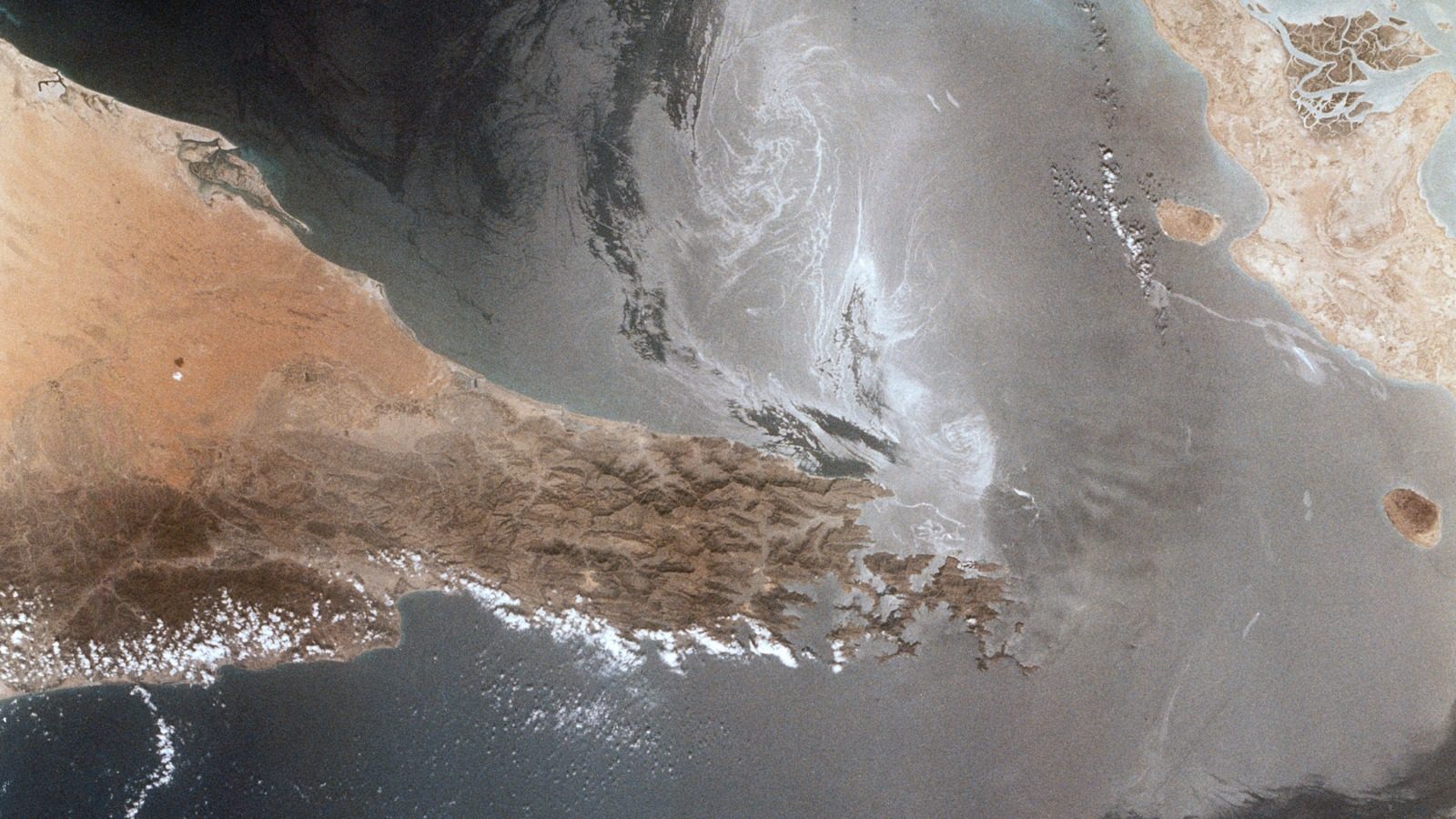
The MOU would state that shipping through the Strait of Hormuz must be unrestricted. That would mean no tolls, no harassment, and the removal of mines from the strait within 30 days.
The U.S. blockade would be lifted in proportion to the restoration of commercial shipping. The framework would also include an Iranian commitment not to pursue a nuclear weapon and would put highly enriched uranium and enrichment limits at the front of the 60-day negotiation window.
ADVERTISEMENTSanctions relief and the release of frozen Iranian funds would be discussed during the talks. U.S. officials also insisted there would be no secret side deals, with any benefits to Iran tied to what Iran is actually willing to give up.
That last part is critical.
If Iran wants relief, the United States needs verifiable action, not another round of diplomatic smoke.
The broader context is that this potential deal has been building for days, with President Trump publicly saying the outlines were close.
AP previously covered the earlier phase of the negotiations:
President Trump said over the weekend that a deal involving Iran and the reopening of the Strait of Hormuz had been largely negotiated after calls with Israel and regional leaders. He described the draft as a memorandum of understanding focused on peace, while making clear the details still had to be finalized by the participating countries.
A regional official familiar with the mediation effort said the arrangement would include an official declaration ending the war, two months of negotiations on Iran’s nuclear program, the reopening of the Strait of Hormuz, and an end to the U.S. blockade of Iranian ports. Pakistan had been playing a major mediation role, and several regional governments had been drawn into the diplomacy.
Iran’s public messaging was not identical to the U.S. framing. Iranian state media described the draft as a framework agreement for more talks, while Iran’s foreign ministry said the immediate focus was ending the war and addressing sanctions.
ADVERTISEMENTAt that earlier stage, Iran also suggested nuclear issues were not part of the current negotiations. That makes the Axios report more significant, because U.S. officials now say the proposed 60-day MOU would put Iran’s highly enriched uranium and enrichment program directly into the next phase.
Another X account summarized the same unresolved point: negotiators may have a framework, but President Trump still has the final say.
🇺🇸🇮🇷🔴— Axios reports the US and Iran have reached a memorandum of understanding on a 60-day ceasefire extension, pending Trump’s approval. Trump reportedly asked for a few days before making a final decision. #BreakingNews #USA #Iran #Ceasefire #Diplomacy #MiddleEast
— Undercover Reporter (@PoliticalNowME) May 28, 2026
This could become a major diplomatic breakthrough.
It could also fall apart quickly if Iran tries to pocket relief while dodging the nuclear issue.
The important thing is that President Trump is not treating this as automatic.
Nothing is final until he says it is final.

Join the conversation!
Please share your thoughts about this article below. We value your opinions, and would love to see you add to the discussion!