
President Trump’s State Department just produced something months of Hezbollah war pressure could not stop: Israel and Lebanon sitting down together and signing onto the same path.
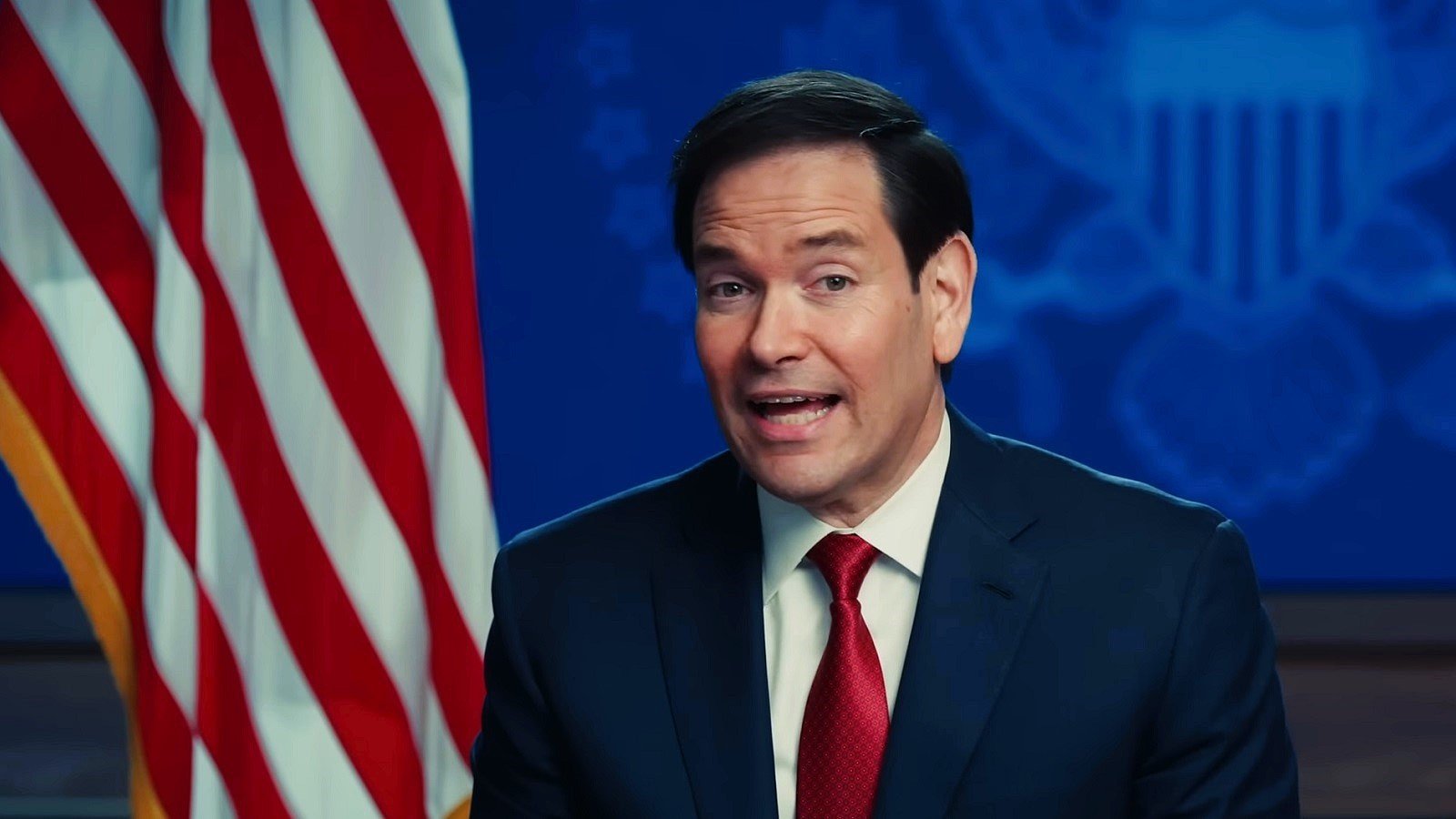
On June 26, 2026, Secretary of State Marco Rubio appeared in Washington with Israeli Ambassador Yechiel Leiter and Lebanese Ambassador Nada Hamadeh to announce a trilateral framework agreement between the United States, Israel, and Lebanon.
Rubio called it a first step toward lasting peace after months of fighting that drew in Israel and Hezbollah.
The New York Post reported the deal followed four days of U.S.-backed negotiations in Washington. Rubio framed it as a first step toward returning Lebanon to the prosperity it had before Hezbollah used the country as a terrorism platform.
The Post also highlighted the bluntest line from Israeli Ambassador Yechiel Leiter: the framework puts Iran out, Hezbollah out, and the road to peace between Israel and Lebanon in. That is the sharpest part of the announcement because it says the road forward is not built around appeasing Tehran’s proxy.
Rubio’s message was aimed at Lebanese sovereignty as much as Israeli security. The pitch is that Lebanon should not be reduced to a launchpad for foreign-backed militants while ordinary Lebanese families are trapped between Hezbollah and war.
That is the whole point for FedUp readers. The deal is built to sideline Tehran and its proxy rather than negotiate around them.
Here is the breaking announcement as it landed.
BREAKING: Israel, Lebanon, and the United States have signed a trilateral framework agreement to strengthen security along the Israel-Lebanon border and pave the way for broader diplomatic talks between the two countries. pic.twitter.com/QWUDP0SJMp
— Breaking911 (@Breaking911) June 26, 2026
The Associated Press reported that officials described the framework as a first step and did not release the full details of the agreement. The signers were Yechiel Leiter for Israel and Nada Hamadeh for Lebanon, with Rubio standing beside both ambassadors in Washington.
Hamadeh described the framework as a road toward restoring Lebanese sovereignty and territorial integrity, securing a permanent end to hostilities, and allowing Lebanese people to return to their land. Leiter described the final destination as real peace, with both countries living in security and having their sovereignty respected.
The AP also noted what every honest reader should keep in view. Hezbollah was not part of the talks.
Lebanese officials want Israeli troops out of southern Lebanon, while Israeli officials want Iran-backed Hezbollah disarmed. Those two priorities are the hard part, and the framework is the start of working them out, not the finish line.
One mechanism already on the table speaks to that. The AP reported Lebanon’s President Joseph Aoun recently said a proposal for “pilot zones,” where the Lebanese army would take exclusive control as Israeli troops withdraw, is under discussion.
That is the kind of step-by-step, verify-as-you-go approach a serious deal needs when one side’s proxy spent years embedded in the other side’s territory.
Al Jazeera reported Rubio said Lebanon’s people have suffered for decades because of outside interference and foreign actors using their country as a launchpad for attacks. It also reported that Nada Hamadeh called the latest meeting long and difficult while still expressing optimism that the framework could move peace talks forward.
The same report noted that Israel has continued some operations inside Lebanon, and that Hezbollah has demanded a full Israeli withdrawal as a condition for peace. It also pointed to recent public tension between President Trump and Benjamin Netanyahu over Lebanon, with Trump urging a softer touch while still calling Netanyahu a close partner.
None of those complications are hidden by this agreement. They are exactly why the framework exists, and why American backing matters.
Here is video from the signing ceremony.
U.S., ISRAEL, LEBANON SIGN TRILATERAL FRAMEWORK AGREEMENT
— CGTN America (@cgtnamerica) June 26, 2026
The honest read is straightforward. This is a framework and a first step, not a final Israel-Lebanon peace treaty, and implementation will be the real test.
Israeli troops still hold parts of southern Lebanon, and Hezbollah, which was never at the table, still wants them gone before it gives up anything.
But the leverage now runs through Washington. Trump’s team pulled Israel and Lebanon into the same framework after Hezbollah’s war pressure, put American weight behind border security and Lebanese sovereignty, and structured the path around getting Iran’s proxy out of the equation.
That is a foreign-policy posture built on strength rather than concessions to Tehran. The work ahead is enforcement, and that is where vigilance has to stay.
This is a Guest Post from our friends over at 100 Percent Fed Up. View the original article here.

Join the conversation!
Please share your thoughts about this article below. We value your opinions, and would love to see you add to the discussion!