

President Donald Trump has become accustomed to facing resistance at every turn from the Democratic Party and mainstream media.
But as he works toward a historic agreement with Iran, the president has also dealt with backlash from a number of lawmakers in his own party.
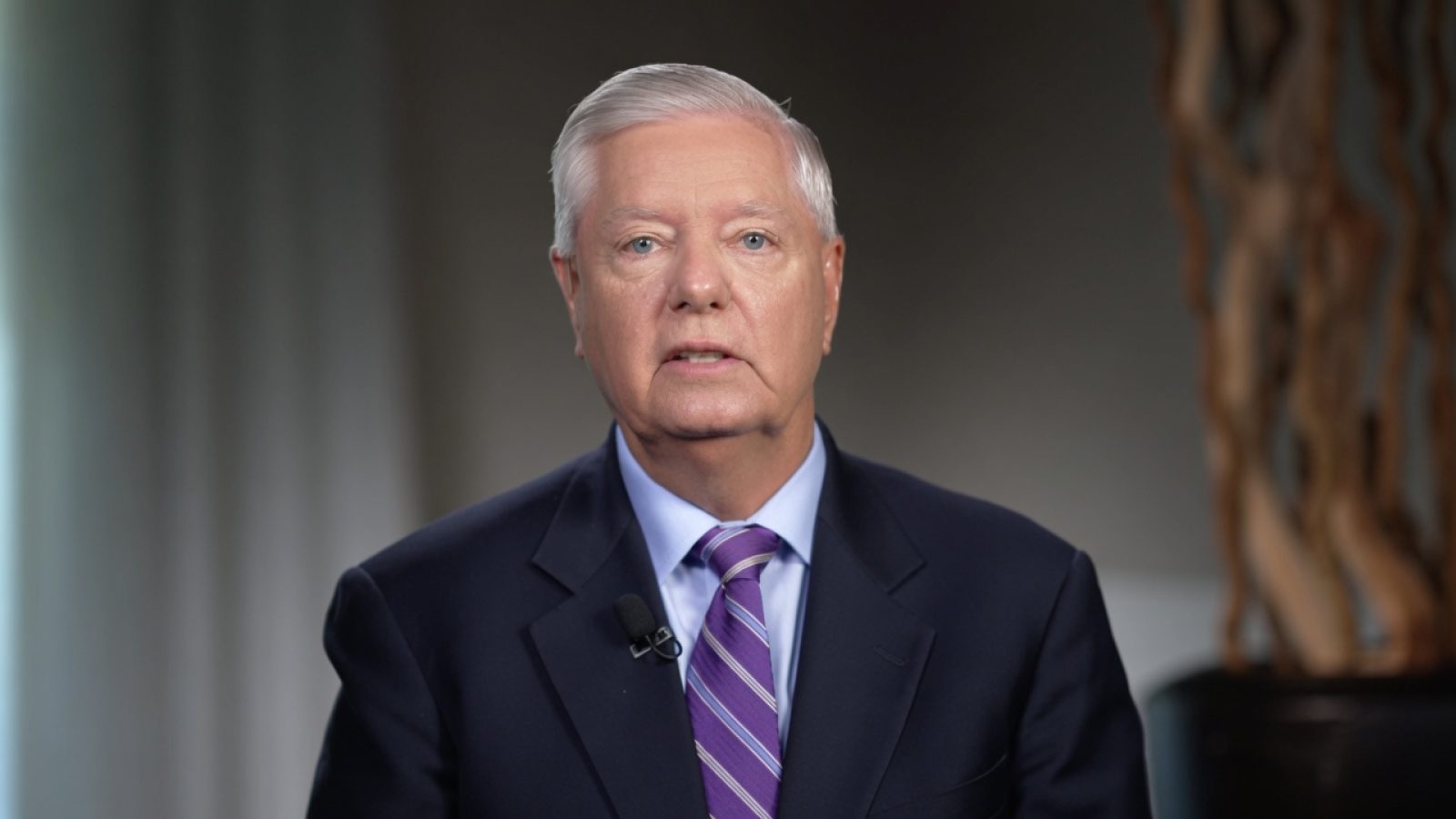
Some, like Sen. Lindsay Graham (R-SC), have seemed more like fair-weather friends than true supporters of Trump’s agenda in the Middle East.
The Hill reported on the South Carolina Republican’s latest remarks about the policy:
“If you don’t have a diplomatic path through the MOU, then you have to go to war, or some other form of coercion,” Graham told CBS News’s “Face the Nation” host Margaret Brennan, referring to the memorandum of understanding (MOU) between both countries.
“Let’s try this, let’s try a diplomatic solution,” he added. “I think it’s going to fail.”
Graham suggested that if the deal fails, President Trump “is going to take the Strait of Hormuz over by force” and charge a fee. Trump said he spoke directly to Iran’s government and warned that the U.S. will “hit” their country“if Iran continues to attack Israel in Lebanon.”
“When you use Hezbollah to attack Israel, I think the new policy will be, ‘We will attack Iran,’” the senator continued.
The South Carolina Republican also described his reversal on the $300 billion that would go toward Iran’s reconstruction, having previously compared it to delivering the Marshall Plan to post-World War II Germany “with the Nazis still in charge.”
“Because before I thought the money was coming from the West,” Graham told Brennan. “Can you imagine if Saudi Arabia, Qatar and the United Arab Emirates invest $300 billion in Iran? That would tell me that Iran has changed.”
Graham suggested that the $300 billion would not be enough to help with Iran’s reconstruction, nor that it would result in Iran and the Gulf states becoming business partners.
Earlier this month, Trump brushed off Graham’s initial criticism of the deal:
Here’s the full text of that post:
𝐓𝐑𝐔𝐌𝐏 𝐓𝐎 𝐆𝐑𝐀𝐇𝐀𝐌: “𝐇𝐄’𝐋𝐋 𝐁𝐄 𝐈𝐍 𝐁𝐈𝐆 𝐓𝐑𝐎𝐔𝐁𝐋𝐄” — 𝐌𝐀𝐑𝐊𝐄𝐓𝐒 𝐔𝐏 𝟐,𝟓𝟎𝟎 𝐏𝐎𝐈𝐍𝐓𝐒, 𝐈𝐑𝐀𝐍 𝐍𝐄𝐕𝐄𝐑 𝐆𝐄𝐓𝐒 𝐓𝐇𝐄 𝐁𝐎𝐌𝐁
A reporter asked President Trump what he thought of Senator Lindsey Graham’s skepticism toward the Iran memorandum of understanding. Trump’s first answer was pure Trump:
“𝘓𝘪𝘯𝘥𝘴𝘦𝘺 𝘪𝘴 𝘴𝘬𝘦𝘱𝘵𝘪𝘤𝘢𝘭? 𝘐’𝘭𝘭 𝘩𝘢𝘷𝘦 𝘵𝘰 𝘵𝘢𝘭𝘬 𝘵𝘰 𝘓𝘪𝘯𝘥𝘴𝘦𝘺. 𝘏𝘦’𝘭𝘭 𝘣𝘦 𝘪𝘯 𝘣𝘪𝘨 𝘵𝘳𝘰𝘶𝘣𝘭𝘦.”
He walked it back almost immediately — “𝘓𝘪𝘯𝘥𝘴𝘦𝘺’𝘴 𝘨𝘰𝘰𝘥. 𝘓𝘪𝘯𝘥𝘴𝘦𝘺’𝘴 𝘧𝘪𝘯𝘦. 𝘏𝘦’𝘴 𝘯𝘰𝘵 𝘴𝘬𝘦𝘱𝘵𝘪𝘤𝘢𝘭. 𝘏𝘦’𝘴 𝘫𝘶𝘴𝘵 𝘧𝘪𝘯𝘦.” — but the moment was vintage 47. 𝐏𝐫𝐨𝐣𝐞𝐜𝐭𝐢𝐧𝐠 𝐭𝐨𝐭𝐚𝐥 𝐜𝐨𝐧𝐟𝐢𝐝𝐞𝐧𝐜𝐞, 𝐧𝐨 𝐝𝐞𝐟𝐞𝐧𝐬𝐢𝐯𝐞𝐧𝐞𝐬𝐬, 𝐜𝐨𝐦𝐩𝐥𝐞𝐭𝐞 𝐜𝐨𝐦𝐦𝐚𝐧𝐝 𝐨𝐟 𝐭𝐡𝐞 𝐫𝐨𝐨𝐦.
Then came the substance. On what America is actually giving up in this deal:
“𝘞𝘦’𝘳𝘦 𝘯𝘰𝘵 𝘱𝘢𝘺𝘪𝘯𝘨 𝘧𝘰𝘳 𝘢𝘯𝘺𝘵𝘩𝘪𝘯𝘨. 𝘞𝘦’𝘳𝘦 𝘯𝘰𝘵 𝘥𝘰𝘪𝘯𝘨 𝘢𝘯𝘺𝘵𝘩𝘪𝘯𝘨.”
No frozen assets unfrozen. No sanctions lifted. No cash transferred. Just an agreement on the one thing that matters.
On the economic picture since Trump launched his Iran policy:
ADVERTISEMENT“𝘛𝘩𝘦 𝘮𝘢𝘳𝘬𝘦𝘵𝘴 𝘯𝘰𝘸 𝘢𝘳𝘦 𝘩𝘪𝘨𝘩𝘦𝘳 𝘵𝘩𝘢𝘯 𝘵𝘩𝘦𝘺 𝘸𝘦𝘳𝘦 𝘸𝘩𝘦𝘯 𝘸𝘦 𝘴𝘵𝘢𝘳𝘵𝘦𝘥. 𝘛𝘩𝘦 𝘴𝘵𝘰𝘤𝘬 𝘮𝘢𝘳𝘬𝘦𝘵 𝘯𝘰𝘸 𝘪𝘴 2,500, 𝘮𝘢𝘺𝘣𝘦 𝘦𝘷𝘦𝘯 𝘮𝘰𝘳𝘦 𝘵𝘩𝘢𝘯 𝘵𝘩𝘢𝘵 — 𝘱𝘰𝘪𝘯𝘵𝘴 𝘩𝘪𝘨𝘩𝘦𝘳 𝘵𝘩𝘢𝘯 𝘪𝘵 𝘸𝘢𝘴 𝘸𝘩𝘦𝘯 𝘸𝘦 𝘴𝘢𝘪𝘥 — 𝘪𝘵’𝘴 𝘱𝘳𝘦𝘵𝘵𝘺 𝘢𝘮𝘢𝘻𝘪𝘯𝘨.”
𝐓𝐡𝐞 𝐃𝐨𝐰 𝐢𝐬 𝐮𝐩 𝐦𝐨𝐫𝐞 𝐭𝐡𝐚𝐧 𝟐,𝟓𝟎𝟎 𝐩𝐨𝐢𝐧𝐭𝐬 𝐬𝐢𝐧𝐜𝐞 𝐓𝐫𝐮𝐦𝐩 𝐥𝐚𝐮𝐧𝐜𝐡𝐞𝐝 𝐭𝐡𝐞 𝐈𝐫𝐚𝐧 𝐜𝐨𝐧𝐟𝐫𝐨𝐧𝐭𝐚𝐭𝐢𝐨𝐧. War hawks predicted economic catastrophe. The opposite happened.
When asked whether he’d send the deal to Congress for review, as Graham requested:
“𝘐 𝘯𝘦𝘷𝘦𝘳 𝘵𝘩𝘰𝘶𝘨𝘩𝘵 𝘰𝘧 𝘪𝘵, 𝘣𝘶𝘵 𝘐 𝘸𝘰𝘶𝘭𝘥.”
ADVERTISEMENTSimple. Not defensive. Just moving.
His final word on the core question at the heart of the whole negotiation:
“𝘋𝘪𝘴𝘢𝘨𝘳𝘦𝘦𝘮𝘦𝘯𝘵𝘴 𝘢𝘣𝘰𝘶𝘵 𝘰𝘯𝘦 𝘵𝘩𝘪𝘯𝘨: 𝘵𝘩𝘢𝘵 𝘐𝘳𝘢𝘯 𝘸𝘪𝘭𝘭 𝘯𝘦𝘷𝘦𝘳 𝘩𝘢𝘷𝘦 𝘢 𝘯𝘶𝘤𝘭𝘦𝘢𝘳 𝘸𝘦𝘢𝘱𝘰𝘯. 𝘕𝘦𝘷𝘦𝘳, 𝘦𝘷𝘦𝘳, 𝘦𝘷𝘦𝘳. 𝘛𝘩𝘦 𝘳𝘦𝘴𝘵 𝘰𝘧 𝘪𝘵 𝘪𝘴 𝘪𝘳𝘳𝘦𝘭𝘦𝘷𝘢𝘯𝘵, 𝘧𝘳𝘢𝘯𝘬𝘭𝘺.”
𝐍𝐞𝐯𝐞𝐫, 𝐞𝐯𝐞𝐫, 𝐞𝐯𝐞𝐫. That is the only agreement that matters. Lindsey Graham will come around. He always does.
Shortly thereafter came this apparent reversal:
I just had a very lengthy and productive discussion with @SEPeaceMissions @SteveWitkoff about the state of play regarding Iran.
After this discussion, it is my opinion that signing the MOU will be beneficial to the United States, in as much as the Strait of Hormuz will begin to…— Lindsey Graham (@LindseyGrahamSC) June 17, 2026
Here’s that full text:
I just had a very lengthy and productive discussion with @SEPeaceMissions @SteveWitkoff about the state of play regarding Iran.
ADVERTISEMENTAfter this discussion, it is my opinion that signing the MOU will be beneficial to the United States, in as much as the Strait of Hormuz will begin to open, and the hostilities with Iran will stop.
Whether or not the United States can reach an acceptable, verifiable deal with Iran regarding its nuclear program and other issues is yet to be determined, but I see little downside to trying.
The economic stability that comes from opening up the Strait and the cessation of hostilities could create a pathway to peace well beyond the Iranian conflict.
The expansion of the Abraham Accords and normalizing relations between Saudi Arabia and Israel is President Trump’s and my ultimate goal. I think that is best achieved by creating economic stability for the United States, the region and the world, as well as the cessation of hostilities. The signing of the MOU is an essential step to make that happen and thus it is worthwhile.
Here’s some additional context on Graham’s latest remarks, per CBS News:
Earlier this month, Graham — who has long held hawkish views on Iran — came out strongly against the initial contours of the deal. He took particular issue with $300 billion in slated reconstruction funds for Iran, which he wrote on X would be “akin to a Marshall Plan for Germany with the Nazis still in charge.” In recent days, following the release of the 14-point memorandum of understanding with Iran, Graham’s position appeared to change.
Graham explained on Sunday that “before, I thought the money was coming from the West.” Now, he believes U.S.-allied Gulf states are likely to provide the money, which he said would be a positive development because “it would mean that the Sunni Arabs believe that Iran has changed to the point they want to be a business partner.”
While the South Carolina Republican called the memorandum of understanding “problematic,” he argued “the money Iran gets is not going to change the future of Iran.”
“It’s not enough to reconstruct the country,” Graham said.
And here’s a clip from his appearance:

Join the conversation!
Please share your thoughts about this article below. We value your opinions, and would love to see you add to the discussion!