

When Big Tech companies start coming up with ways to mess around with nature, it’s important to take notice.
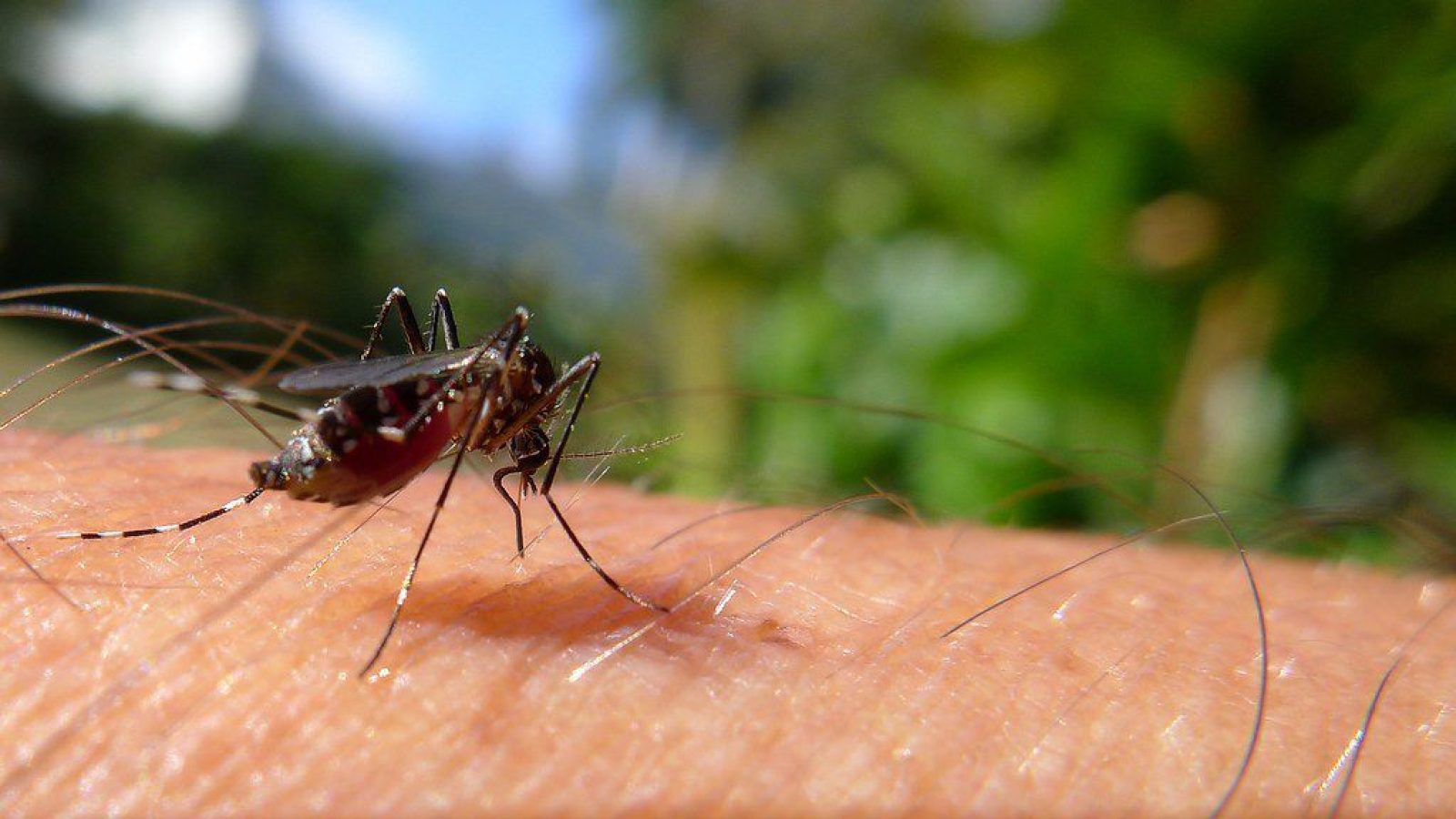
And one recent example starting to attract some attention involves Google’s new program aiming to set roughly 32 million mosquitos free across two US states.
As The Hill reported, the company is predictably selling the idea as a net positive for humanity:
Mosquitoes are the deadliest animal in the world, according to the Centers for Disease Control. Out of the over 3,500 species of mosquitoes, one species alone, Aedes aegypti, carries dengue fever, Zika and chikungunya, which sicken hundreds of millions of people per year.
ADVERTISEMENT“They’re a difficult problem to solve,” Google Debug says on its project homepage, further explaining that most diseases carried by mosquitoes don’t have effective vaccines or treatments. “Attacking mosquitoes with pesticides is unsustainable because they’re becoming less effective over time and can be toxic, [and] clearing standing water is not enough because people can never find all the places that mosquitoes breed.”
“We need a new approach,” Google concludes.
So, what exactly is that approach? Well, bugs – but “good” ones.
“Good bugs are the same species of mosquito as the bad bugs that spread disease. Our good bugs are male mosquitoes that have a naturally-occurring bacteria called Wolbachia which makes them unable to have offspring with wild female mosquitoes,” the Google Debug webpage reads. “Male mosquitoes can’t bite or spread disease, so good bugs will stop bad ones from reproducing. Over time, there will be fewer and fewer bad mosquitoes.”
But those reassurances did little to assuage the concerns of skeptics on social media:
I’m tired of leftist companies thinking they can do anything they want to the environment…
— 3generboiler (@3generboiler_1) June 1, 2026
Gee, what possibly go wrong with releasing 32,000,000 genetically modified insects the live on human blood? pic.twitter.com/w5jCskYHjF
— Leonard T. Bayard (@leonard_bayard) May 30, 2026
No no no no no no no no no no
— Conservative Chick (@Conserv9988613) June 1, 2026
Here’s some additional coverage from KTLA:
On that note, Google is currently seeking federal approval for the project to proceed in both California and Florida.
ADVERTISEMENTA notice from the Federal Register shows the Environmental Protection Agency (EPA) is reviewing Google’s Experimental Use Permit applications under the Federal Insecticide, Fungicide and Rodenticide Act and provided more details on the proposal, stating that in the first year of the project, up to 16 million mosquitoes would be released in Florida.
The second year of the project would see another 16 million mosquitoes released in California.
The public is invited to learn more and comment on the matter by going to the Federal eRulemaking Portal at www.regulations.gov and entering the docket identification number EPA-HQ-OPP-2025-3951.
This controversial Bill Gates-backed program from a few years ago further explains the reticence to embrace the Google plan:

Join the conversation!
Please share your thoughts about this article below. We value your opinions, and would love to see you add to the discussion!