
It’s official: West Virginia has just become the first U.S. state to ban artificial dyes from the food supply.
Governor Patrick Morrisey just signed House Bill 2354 into law on Monday.
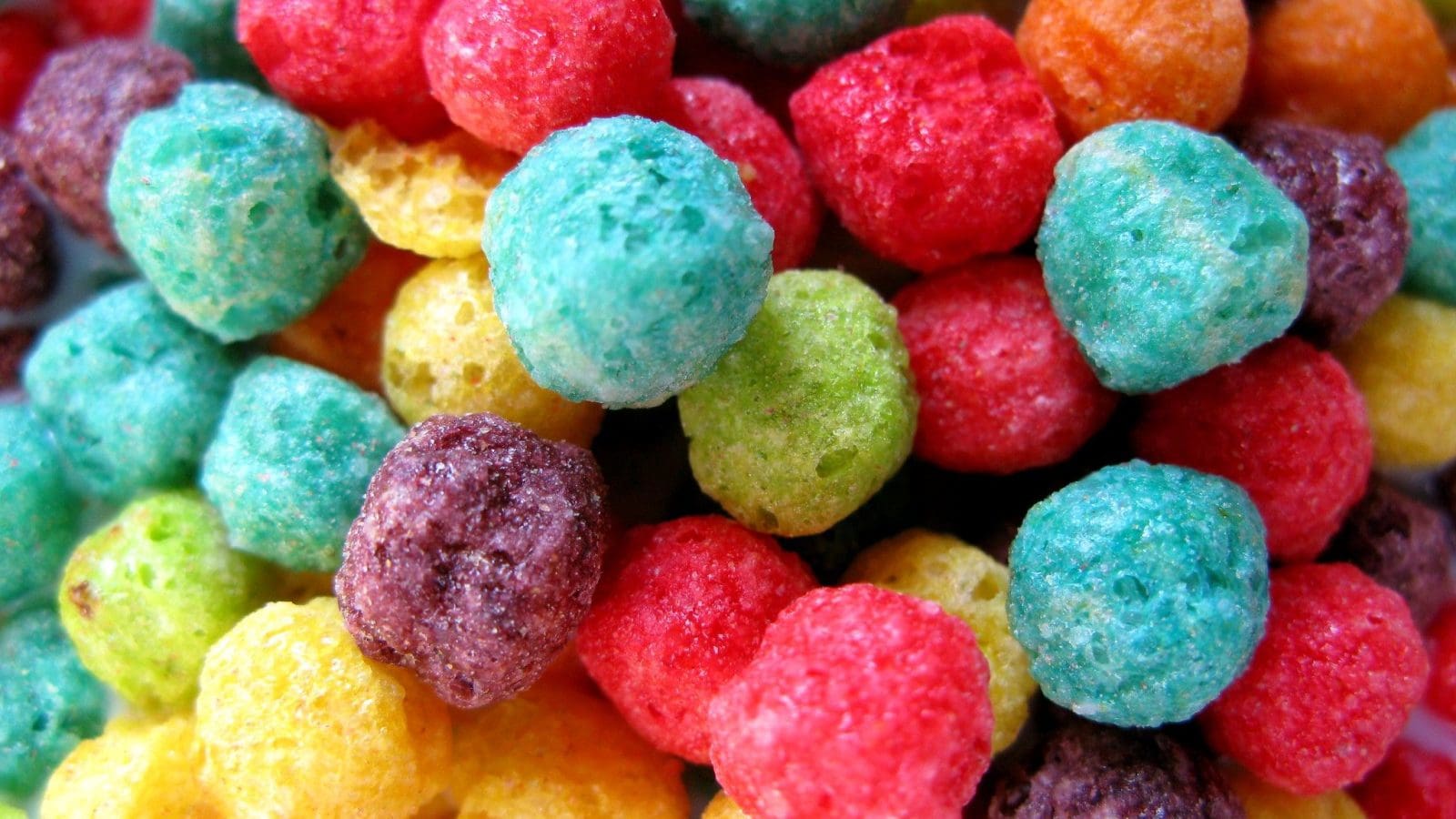
Artificial food dyes like Red Dye No. 40 are linked to potential health risks, especially in children. And, they’re in everything from cereal to soda.
Starting in August, these dyes will be prohibited from all school lunches statewide. Beginning in 2028, they will be banned from all food items sold in the state.
Check it out:
🚨 West Virginia has become the first state to BAN artificial dyes from their foods. 🚫🩸
This means that all Big Food companies will have to remove them completely to be able to continue selling their products in the state.
The first domino has fallen. #MAHA! pic.twitter.com/lWKXEjSxJ2
— Jaimee Michell (@thegaywhostrayd) March 25, 2025
Breaking! It’s official. West Virginia becomes first state to ban artificial food dyes. This is just the beginning! Thank you @SecKennedy @wvgovernor @EvanWorrell4WV @JasonBarrettWV #MAHA #FoodBabeArmy pic.twitter.com/F01o1Te1D1
— Vani Hari (@thefoodbabe) March 24, 2025
Fox News reported:
West Virginia will begin prohibiting certain synthetic dyes and additives used in food items sold in the state following the passage of a bill that marks the most comprehensive effort to regulate food ingredients at the state level.
Gov. Patrick Morrisey, a Republican, on Monday signed House Bill 2354 into law, which will implement the ban on a tiered basis.
Starting Aug. 1, seven different artificial food dyes will no longer be allowed for use in school lunches. Beginning Jan. 1, 2028, the same food dyes and two additional food preservatives will not be allowed in any food products sold in the state.
Red Dye No. 3, Red Dye No. 40, Yellow Dye No. 5, Yellow Dye No. 6, Blue Dye No. 1, Blue Dye No. 2 and Green Dye No. 3 will all be banned from school lunches starting in August. The same food dyes, plus the preservatives butylated hydroxyanisole and propylparaben, will then be banned from all food items sold in the state beginning in 2028.
While several states have introduced or passed similar bills, West Virginia’s marks the broadest and most sweeping action on this issue by any state, per local and national media reports. Proponents of the West Virginia bill have suggested the move will help improve health outcomes, particularly for children, but those who are against it argue the move will lead to higher food prices.
The New York Times has more details on exactly what the ban entails:
In the most sweeping move of its kind, West Virginia has banned foods containing most artificial food dyes and two preservatives, citing their potential health risks.
The legislation, signed into law Monday by Gov. Patrick Morrisey, will go into effect in 2028. At least 20 states are considering similar restrictions on food chemicals, but West Virginia is the first to ban virtually all artificial dyes from foods sold statewide. The new law will also prohibit products containing the dyes from being served in school meals starting this August.
“Everybody realizes that we’ve got to do something about food in general,” said Adam Burkhammer, a Republican state representative who introduced the bill in February. It quickly passed both legislative houses with broad bipartisan support. Mr. Burkhammer said he hopes the law will improve the health of children in his state and spur other states to take similar actions.
California has passed similar measures, though they were narrower in scope. One, passed in 2023, banned four food additives statewide. And in 2024, state lawmakers banned artificial food dyes from school meals.
This is a major win for the MAHA movement, with many other states, like Oklahoma, beginning to catch on and follow suit banning the chemicals in our food that are making us unhealthy.
I would love to see this trend continue nationwide.
How about you?

Join the conversation!
Please share your thoughts about this article below. We value your opinions, and would love to see you add to the discussion!