

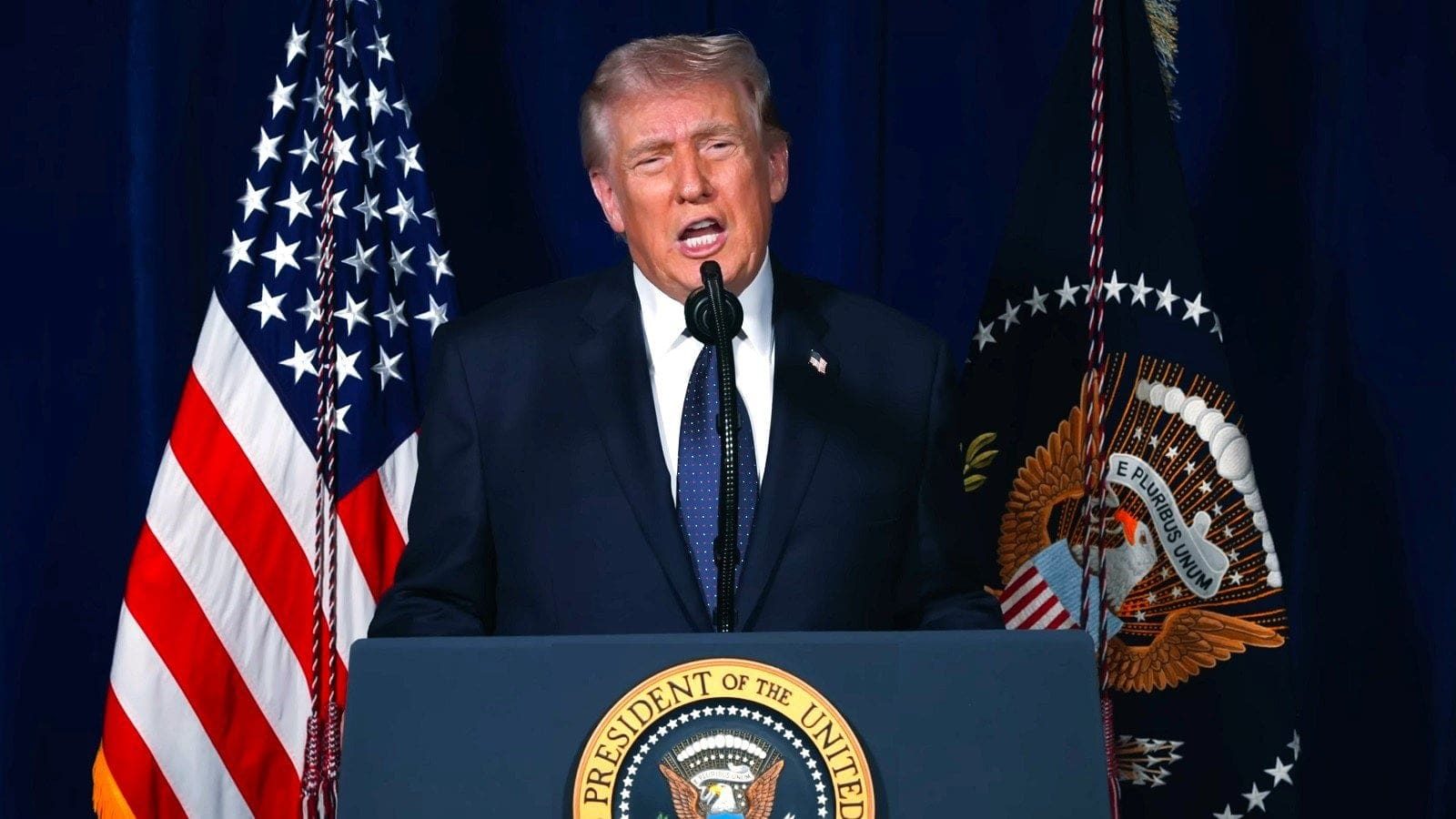
President Trump is done waiting for the Senate to get its act together.
With the SAVE America Act stalled on Capitol Hill, his administration has already begun using the powers it has to tighten election rules ahead of the 2026 midterms.
The strategy reaches across the federal government: grant conditions from the Department of Homeland Security, voter-roll lawsuits from the Justice Department, citizenship checks through federal databases, new audit requirements, pressure for hand-marked paper ballots, and a major shakeup at the Election Assistance Commission.
Congress remains the cleanest route to nationwide reform. The White House is making sure it is no longer the only route.
President Trump laid out the immediate mission in blunt terms, directing states to remove ineligible voters while demanding that Congress pass the SAVE America Act:
Follow The Money
The first major lever is federal funding. In a July 10 announcement, DHS said states seeking money through the Homeland Security Grant Program must agree to a detailed package of election-security conditions.
DHS has made more than $1 billion available through the program. Applicants must submit a plan to move away from voting systems that use barcodes or QR codes in the voting process and toward hand-marked paper-ballot equipment.
Recipients must also conduct a manual audit of at least 5% of ballots after each federal election and reconcile the number of participating voters with the number of ballots cast. Those are basic checks that can expose discrepancies before they disappear into months of political argument.
The citizenship requirement may be the most consequential piece. Within 120 days, participating jurisdictions must use the federal SAVE system to check the citizenship status of every person in their voter database, while DHS uses a fallback immigration-record search during an ongoing court fight over access.
States must also verify the citizenship of poll workers and people who operate election systems. FEMA will hold back 20% of an award until the recipient proves that it has complied with the conditions.
The grant programs are voluntary. Once a state applies for the money, however, it accepts the attached terms.
DHS Secretary Markwayne Mullin says the administration has already uncovered staggering numbers through its work with state voter files:
A National Enforcement Map
The administration has also launched a joint DOJ-DHS election-integrity dashboard that lets the public view federal activity state by state. It brings lawsuits, arrests, grant conditions, and other enforcement actions into one national picture.
The Justice Department’s side of that campaign is already extensive. By late February, its Civil Rights Division said it had sued 29 states and the District of Columbia after officials failed to provide full voter-registration lists requested by the federal government.
DOJ argues that the Civil Rights Act of 1960 gives the attorney general broad authority to demand, inspect, and analyze statewide registration records. The department says those lists can then be cross-checked for improper registrations and failures to maintain accurate rolls.
Several states are fighting those demands in court, which means judges will help define how far the administration can press this effort. Meanwhile, the dashboard gives Americans a place to see which states are cooperating, which are resisting, and where federal cases are active.
Assistant Attorney General Harmeet Dhillon announced the new map and said it will be updated regularly:
The Election Commission Was Cleared Out
President Trump has also moved against the leadership of the federal agency that helps set election-administration standards. The Associated Press reported that the remaining leadership of the Election Assistance Commission was removed earlier this month.
Commissioners Thomas Hicks and Benjamin Hovland were fired, while Chair Christy McCormick resigned. The departures left the four-member commission without sitting commissioners as the midterm cycle accelerated.
The EAC distributes federal election grants, oversees the testing and certification of voting systems, and maintains the national voter-registration form. It is a small agency with an outsized role in the machinery states use to run elections.
The White House said the President reserves the right to remove officials who are out of step with his election-security agenda. The firings will face legal scrutiny, and state officials retain substantial authority over how elections are administered.
Even so, the move places a leadership reset at the center of a much broader campaign. Personnel, funding, litigation, technology standards, and voter-roll access are all moving in the same direction.

New Intelligence Adds Fuel
The strategy gained fresh urgency after President Trump released previously classified material concerning foreign threats to American election infrastructure. In a July 17 statement, the White House said the material shows that hostile governments had the capability and intent to compromise U.S. election systems.
The administration says China obtained personal information connected to roughly 220 million American voters during the 2020 cycle, including names, addresses, telephone numbers, and party affiliations. The White House says intelligence concerning the breach was withheld from the President and Congress at the time.
The same statement says a DHS review identified approximately 278,000 noncitizens on voter rolls across four states that cooperated with federal requests. Those figures are administration findings, and disputes over the underlying records, definitions, and legal authority are certain to continue.
President Trump has directed the intelligence community, DOJ, FBI, and CIA to investigate the handling of the information and pursue accountability. The disclosures also give the administration a sharper argument for citizenship verification, auditable paper records, and greater federal access to state election data.
The administration’s case is straightforward: systems that foreign adversaries can target and voter databases that officials refuse to share deserve more scrutiny before ballots are cast.
The Senate Roadblock Is Still There
The SAVE America Act would create nationwide statutory rules, and President Trump continues to demand its passage. Yet the Senate’s official cloture record shows why the White House is building a parallel strategy.
A March 26 vote on an amendment to the legislative vehicle for the SAVE Act failed 53-47, seven votes short of the 60 needed to advance. Earlier procedural efforts also failed, leaving the bill trapped behind the Senate’s supermajority requirement.
The bill would establish proof-of-citizenship requirements for voter registration, set identification rules, direct states to remove noncitizens from their rolls, and impose tighter standards on mail voting. Those changes would carry greater durability than agency policies that a future administration could reverse.
For now, the Senate math has forced the White House to work through every lawful executive lever available. Each individual action may look narrow; taken together, they form a nationwide pressure campaign aimed directly at the weak points election-integrity advocates have warned about for years.
Plan B Is Already In Motion
The administration still wants Congress to pass the SAVE America Act, and President Trump made that clear again this week.
While senators argue, DHS is attaching conditions to federal money. DOJ is suing for voter records.
Federal databases are being used for citizenship checks. The EAC has been emptied of its old leadership.
A public enforcement map displays the fight state by state.
Courts will decide how much of the strategy survives legal challenges, and states will continue asserting their constitutional authority over elections. Those fights are already part of the plan.
The political reality is simple: the midterms will arrive whether the Senate acts or stalls.
President Trump appears determined to make sure election security moves forward either way.

Join the conversation!
Please share your thoughts about this article below. We value your opinions, and would love to see you add to the discussion!