

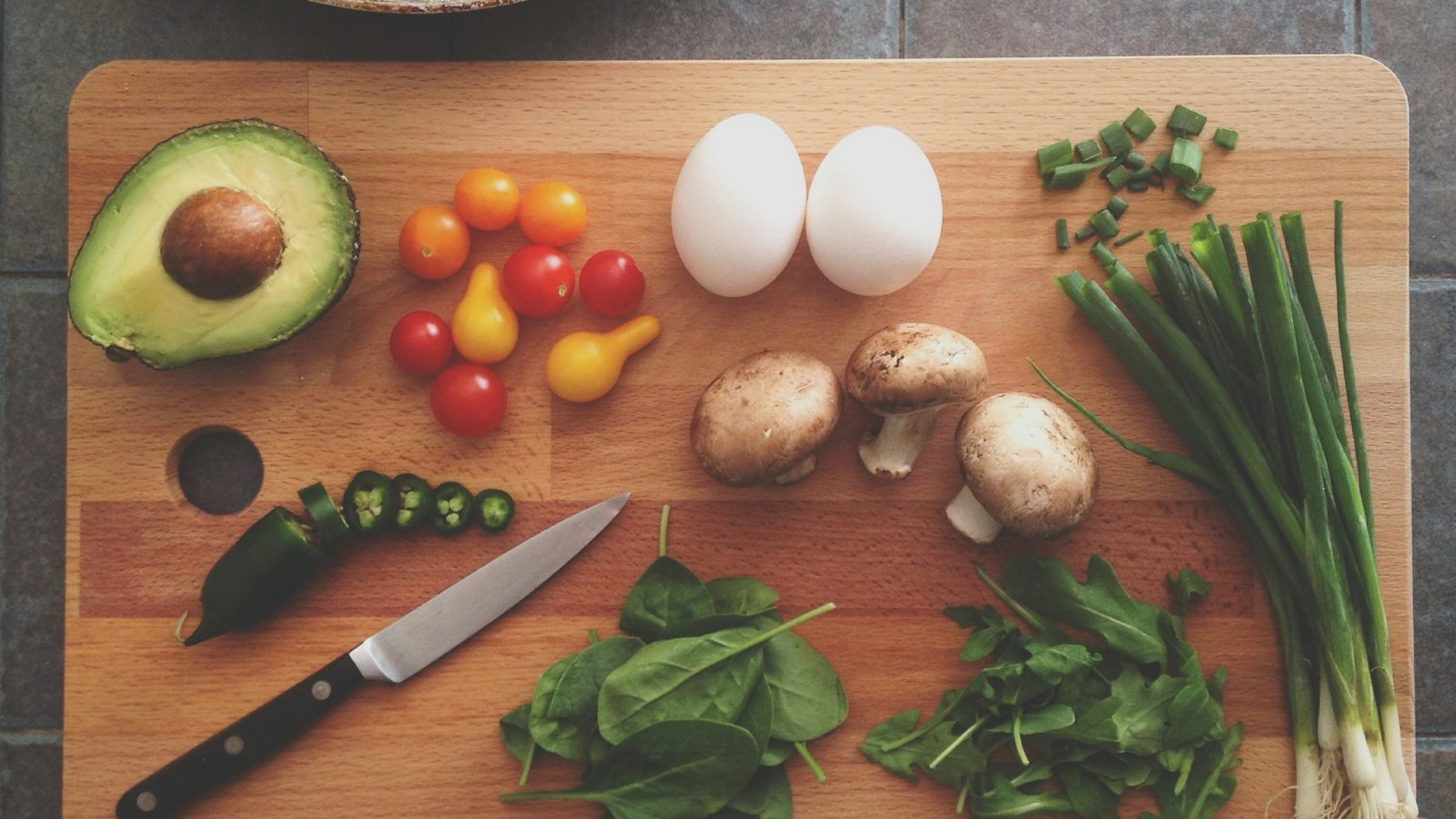
Walk into almost any bookstore or search online for health information, and you’ll find an entire category labeled “alternative medicine.”
- Nutrition.
- Herbal remedies.
- Lifestyle medicine.
- Mind-body practices.
- Natural wellness.
They’re all grouped together as alternatives. But alternative to what? For most of human history, these approaches weren’t considered alternatives at all. They were simply…medicine.
Long Before Modern Medicine
Thousands of years before the first pharmaceutical company existed, long before MRI machines and antibiotics, people relied on food, plants, sunlight, movement, fasting, rest, and traditional healing practices to maintain health.
Ancient civilizations in China, Egypt, Greece, India, and countless indigenous cultures all recognized that what people ate influenced how they felt.
The father of Western medicine, Hippocrates, is famously associated with the idea: “Let food be thy medicine and medicine be thy food.”
Whether those exact words were spoken or not, they reflect a philosophy that has echoed through history: Nutrition comes first.
The Great Shift
- The last century brought extraordinary advances.
- Vaccines transformed public health.
- Emergency medicine saved countless lives.
- Surgery became safer and more precise.
- Medical imaging allowed doctors to see inside the body like never before.
- These achievements deserve recognition.
- But something subtle happened along the way.
As medicine became increasingly specialized, nutrition gradually moved from center stage to the sidelines.
The conversation shifted from maintaining health to managing disease. From prevention to intervention.
From asking “What does the body need?” to asking “What drug treats this condition?”
Both questions have value. But only one starts before illness develops.
When Did Food Become “Alternative”?
Think about how strange the language really is.
- Eating vegetables isn’t alternative.
- Getting enough sleep isn’t alternative.
- Walking outside isn’t alternative.
- Reducing stress isn’t alternative.
- Correcting nutritional deficiencies isn’t alternative.
- Supporting healthy metabolism isn’t alternative.
These are some of the oldest health practices known to humanity.
Yet today, anyone emphasizing nutrition is often described as practicing “alternative” medicine. Perhaps the label says more about our healthcare system than it does about nutrition.
The Body Still Runs on Nutrients
Technology has changed dramatically. Human biology has not.
Your body still requires:
- Vitamins.
- Minerals.
- Healthy fats.
- Protein.
- Fiber.
- Water.
- Sunlight.
- Movement.
No amount of technological progress has eliminated those basic requirements.
- Cells cannot manufacture themselves without raw materials.
- The immune system cannot function without adequate nutrition.
- Bones cannot maintain themselves without essential minerals.
The body still operates according to biological principles that existed long before modern medicine.
The Rise of Lifestyle Medicine
Interestingly, many ideas once considered “alternative” are steadily becoming mainstream.
- Nutrition is receiving more attention.
- Exercise is increasingly prescribed as part of health management.
- Stress reduction is recognized as an important component of wellness.
- Sleep has become a major area of scientific research.
- Lifestyle medicine is now taught in medical schools and practiced in major health systems.
In many ways, medicine is rediscovering what traditional cultures understood all along: Health is influenced by the choices we make every day.
The Vitamin B17 Conversation
One example of this broader discussion is B17.
Found naturally in Apricot Seeds and many other plants, B17 has remained the subject of debate for decades. Supporters have long argued that it deserves more attention within nutrition-centered approaches to health. Critics have questioned its claims and called for stronger evidence.
Regardless of where one stands, the discussion illustrates a larger point:
- Nutrition continues to raise important questions that warrant thoughtful, evidence-based exploration rather than dismissal based solely on labels.
Labels Can Shape Thinking
Words matter.
- When something is called “alternative,” many people assume it is unscientific.
- When something is called “conventional,” many assume it must be correct.
Reality is rarely that simple.
- Every accepted medical practice began as a new idea.
- Every scientific breakthrough started with someone asking questions.
Rather than dividing health into “conventional” and “alternative,” perhaps a better question is:
- What is supported by good evidence?
- What continues to show promise?
- What deserves further study?
That approach encourages curiosity instead of polarization.
Maybe We Have It Backward
Perhaps nutrition isn’t alternative at all. Perhaps it is foundational.
Modern medicine excels at treating emergencies and many acute conditions. Nutrition helps provide the body with the building blocks needed for everyday function.
These approaches don’t have to compete. They can complement one another.
The healthiest future may not come from choosing one over the other. It may come from recognizing the strengths of both.
For thousands of years, humanity understood a simple truth:
- Health begins long before a person enters a hospital.
- It begins at the dinner table.
- In the grocery store.
- In the garden.
- In the kitchen.
- In the daily choices that nourish or neglect the body’s remarkable ability to function.
So perhaps the better question isn’t: “Why do people choose alternative medicine?”
Perhaps it’s: “When did nutrition become the alternative?”
Because if food came first, maybe it’s time to stop treating it like the backup plan.
Want to Learn More?
📘 Download the Book, World Without Cancer: The Story of Vitamin B17 by G. Edward Griffin — Free PDF available.
🌱 Explore Natural Options and Receive a 10% Discount: Learn about B17 and Apricot Seeds at https://RNCstore.com/WLT.
🌍 Join the Movement: Visit Operation World Without Cancer to support research, education, and advocacy for natural healing.
💧 Find a Wellness Provider: Visit B17works.com to connect with a Richardson Method–trained provider.


Join the conversation!
Please share your thoughts about this article below. We value your opinions, and would love to see you add to the discussion!