

This is the ruling parents, female athletes, and state lawmakers have been waiting years to hear.
On June 30, 2026, the Supreme Court upheld West Virginia and Idaho laws that limit girls’ and women’s school sports teams to biological females.
The Court did not dodge. It reversed the lower courts and backed the states.
The decision came in two consolidated cases, West Virginia v. B.P.J. and Little v. Hecox.
The Court reversed the Fourth Circuit in the West Virginia case and the Ninth Circuit in the Idaho case, and sent both back down.
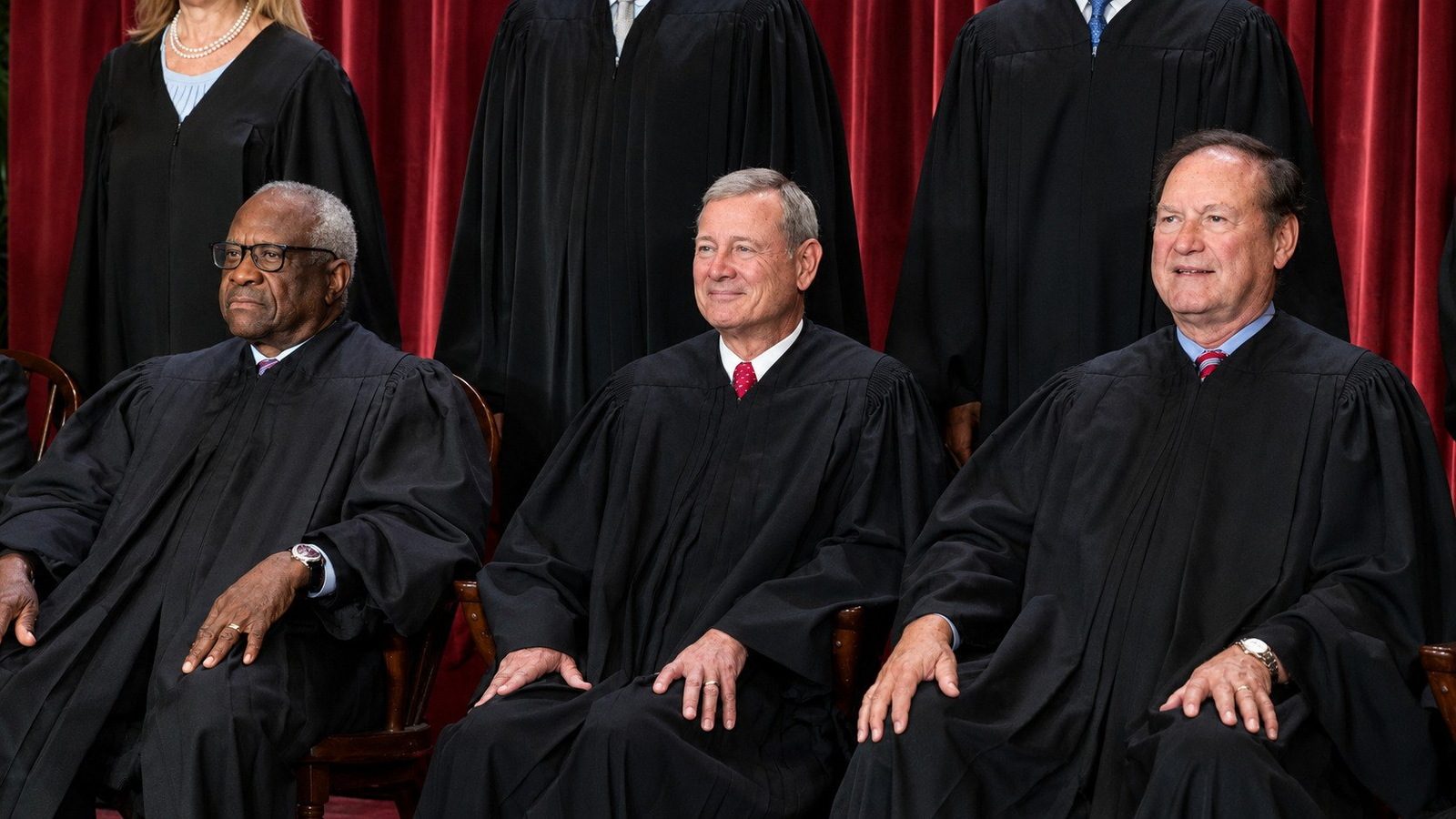
Justice Brett Kavanaugh delivered the opinion of the Court. He was joined by Chief Justice John Roberts and Justices Clarence Thomas, Samuel Alito, Neil Gorsuch, and Amy Coney Barrett.
Justices Thomas and Gorsuch filed concurring opinions. Justice Sonia Sotomayor concurred in part and dissented in part, joined by Justices Elena Kagan and Ketanji Brown Jackson, and Jackson filed her own partial dissent.
The question before the Court was simple and direct: may schools maintain girls’ and women’s teams for biological females and set eligibility based on biological sex under Title IX and the Equal Protection Clause.
The answer was yes.
🚨 The Supreme Court upheld West Virginia and Idaho laws limiting girls’ and women’s school sports teams to biological females, holding that Title IX permits sex-separated teams based on biological sex and that the laws do not violate the Equal Protection Clause. pic.twitter.com/XyjSmux2rh
— SCOTUS Wire (@scotus_wire) June 30, 2026
The Court held that Title IX allows schools to provide separate women’s and men’s teams defined by biological sex.
It held that West Virginia permissibly maintained female sports for biological females under Title IX.
And it held that neither West Virginia nor Idaho violated the Equal Protection Clause by keeping those teams for biological females.
West Virginia’s Save Women’s Sports Act bars male students from female teams and defines sex by biology. Idaho’s Fairness in Women’s Sports Act does the same.
The Court said safety and competitive fairness are important interests, and that limiting girls’ and women’s sports to biological females is substantially related to those interests.
The justices rejected the demand that states run individualized biological or athletic assessments for biological males who identify as female or who have taken puberty blockers or hormones.
Instead, the Court said legislatures and schools are better equipped than judges to weigh the competing medical and scientific questions and draw the lines in sports.
The majority also made clear that Title VII and Bostock v. Clayton County do not control here, given the very different statutory and factual context of athletics.
The opinion noted that 27 states have passed laws over the past six years preserving female sports for biological females.
The ruling does not create a new national statute, and no one should oversell it as one.
What it does is confirm that states and schools may use biological sex to set eligibility for girls’ and women’s sports under both Title IX and equal protection.
That is a green light for the states that have already acted and a signal to the ones still debating it.
President Trump celebrated the decision as a clear victory for female athletes.
🔥🚨 JUST IN — President Trump takes a victory lap over the SCOTUS ruling about Men in Women’s Sports.
TRUMP: “BIG WIN: The United States Supreme Court just RULED AGAINST MEN PLAYING IN WOMEN’S SPORTS.”
“Wow! That takes that ridiculous situation off the table!!! President… pic.twitter.com/oh6cAz0iaY
— The Patriot Oasis™ (@ThePatriotOasis) June 30, 2026
For the girls who fought to keep their teams, their podiums, and their fair shot, the highest court in the country just said the line they drew is legal.
Read the full Supreme Court ruling here: https://www.supremecourt.gov/opinions/25pdf/24-43_2b35.pdf


Join the conversation!
Please share your thoughts about this article below. We value your opinions, and would love to see you add to the discussion!