

For a party that loves to describe itself as “pro-choice,” that libertarian moniker doesn’t ever seem to extend much further than killing unborn children.
And the Golden State continues to serve as a shining example of the left’s ongoing attack on personal liberty.
Most recently, Hot Rod Network highlighted what a new restriction will mean for racecar drivers and other auto enthusiasts across the state:
Seriously, we couldn’t make this stuff up if we tried. In a state where you would think they would be busy addressing rampant homelessness, poor water management, raging fires, and budget deficits, they seem to still have enough time to worry that your aftermarket tires are killing the planet and working out a plan to save us all from ourselves! Yeah, we’re not shocked since this is California. After all, when you see “49-state compliant” on a go-fast part, guess who the holdout is? It’s the land of crushing emissions laws on 50-year-old cars and often nonsensical CARB regulations. You would think the billions spent on the bullet train to nowhere would be enough to slow them down. Well, you would be wrong. This time around, they decided your aftermarket performance tires are killing polar bears or some other such end-of-days climate-emergency nonsense. Keep in mind this is a state with terrible water and forest management. Remember when a large chunk of Los Angeles burned down? How was that for the environment? Regulating what tires you decide to buy for your daily driver or weekend track car shouldn’t even be in their top 100 concerns.
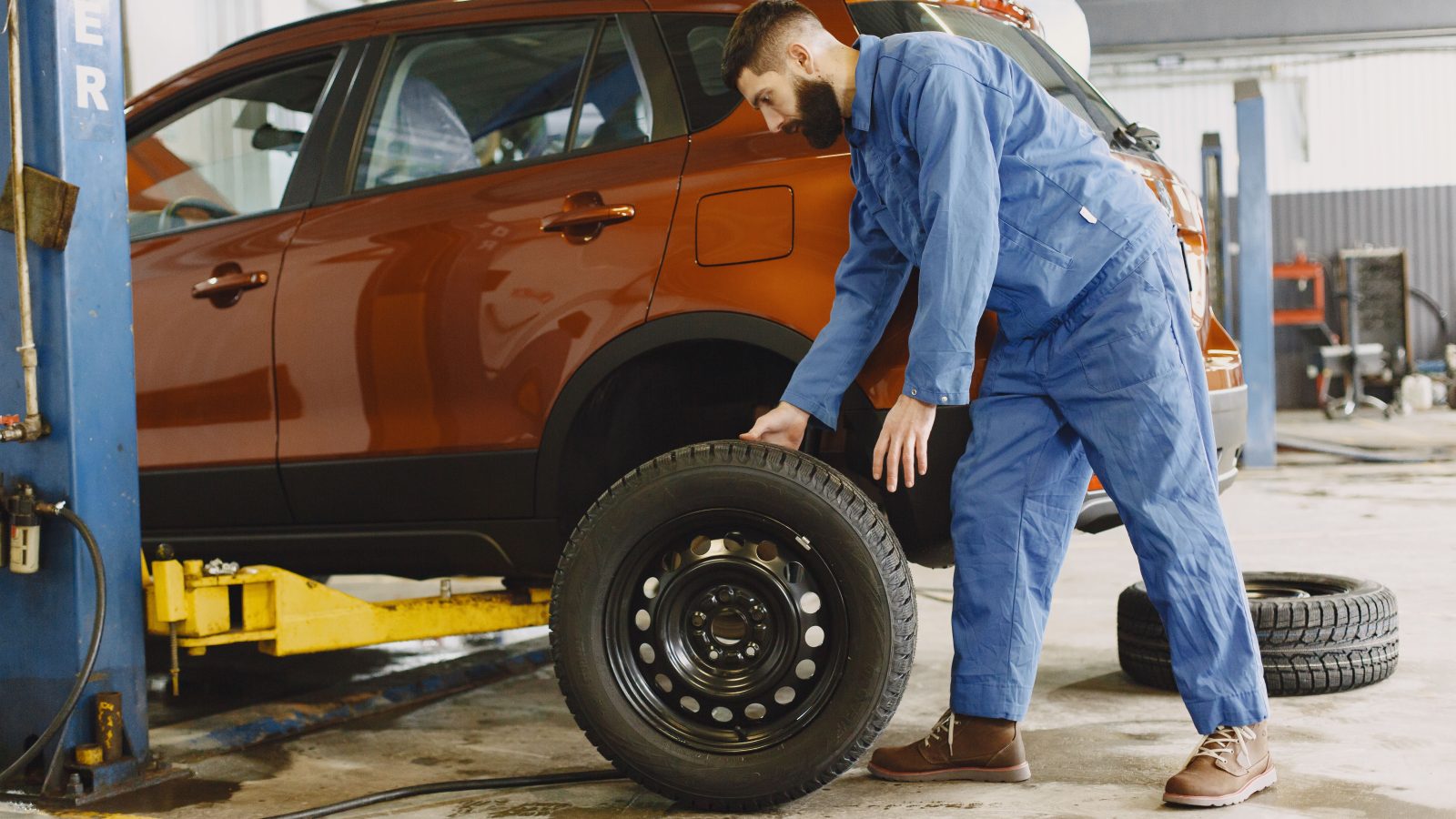
ADVERTISEMENTWhat is this brilliant idea from the career politicians and bureaucrats in California? It’s called the “Replacement Tire Efficiency Program,” and it would set standards requiring all aftermarket tires to be at least as efficient as the tires the car came with when sold new. The proposal is in the public comment phase, and you can go directly to it in the hyperlink above or on the CaliThe phrase “the road to hell is paved with good intentions” is perfect for describing this idea. You see, California thinks that by banning “inefficient” aftermarket tires, they can reduce carbon emissions, a noble goal to be sure. Tires with less rolling resistance (i.e. harder tires) are more energy- and fuel-efficient. The CEC used 2024 pricing to suggest this new regulation could save drivers around $179 in fuel costs over the lifespan of the tires. Never mind California’s highest tax structure in the nation and sky-high gas taxes, forget all of that; this time they are looking out for the consumer. However, this new proposal glosses over how tires actually work, how they add to pollution, and how poorly factory tires tend to perform and hold up over time compared to aftermarket options. Maybe they could come up with a sticker for aftermarket tires that shows the consumer the effect of the new tire on fuel economy. Sort of like the Energy Star notices and most major appliances? Simply limiting choices is never good for consumers in the long run.
The restriction has fueled some social media backlash too.
Earlier this month, one prominent account provided an overview of the proposal:
California Democrats are preparing to ban essentially ALL after market tires
This is a real proposal from the California Energy Commission called the Replacement Tire Efficiency Program
“I mean pretty much every aftermarket tire sold in the state is going to be regulated, and… pic.twitter.com/bNhxSBL80m
— Wall Street Apes (@WallStreetApes) June 4, 2026
Here’s the full text of that post:
California Democrats are preparing to ban essentially ALL after market tires
This is a real proposal from the California Energy Commission called the Replacement Tire Efficiency Program
“I mean pretty much every aftermarket tire sold in the state is going to be regulated, and no one is talking about it — Tires use energy, some more than others, and California wants to lower the energy use of tires on their vehicles so less CO2 goes into the atmosphere”
It’s for climate change…
I looked into what their plan is
ADVERTISEMENTIt would require all replacement and aftermarket tires sold in California to meet strict low rolling resistance standards similar to those on new cars (OEM tires)
Tires that don’t meet the targets phased in starting 2028, with stricter rules in 2031 could not be legally sold in the state
OEM tires on new cars are optimized for low rolling resistance (better fuel economy/lower emissions), but this often means shallower tread depth, shorter lifespan, and sometimes reduced grip
Many popular aftermarket tires (especially performance, all-season, or longer-lasting ones) have higher rolling resistance for better handling, durability, or traction. So they will be banned
Here’s what it really means for every day people
Lower rolling resistance leads to more frequent tire replacements, increasing production emissions and costs
It does the exact opposite of what Democrats are saying. It’s a proposal that’s being prepared to be passed
Here are a few of the reactions:
It will cost you less to drive to Nevada or Mexico and get new tires. Make border towns great again.
— Dan 𝙏𝙖𝙭𝙖𝙩𝙞𝙤𝙣 𝙄𝙨 𝙏𝙝𝙚𝙛𝙩 Behrman Esq🍍 (@DanForTexas) June 5, 2026
It feels good to say that it will help the environment, but does it do good? Every liberal has a feeling problem. pic.twitter.com/SMbcLjpPNO
— Ghost in the machine (@NobodiesSide) June 4, 2026
Gee golly won’t more frequent tire changes due to wear also mean more tires that have to be disposed of and greater waste?
— CaptainA (@Captaingpa) June 4, 2026

Yahoo Autos also covered the implications of the policy:
One of the biggest concerns surrounding the proposal involves tire longevity.
American consumers have become accustomed to all-season tires that can last roughly 60,000 to 65,000 miles. According to the information surrounding the proposal, the European-standard tires that would effectively be favored under the new framework average closer to 27,000 miles.
That is a dramatic difference.
If drivers are forced toward tires that wear out significantly faster, the frequency of replacement increases. A driver who previously purchased one set of tires over a given period could suddenly find themselves buying two.
The fuel savings projected by regulators begin to look different when viewed through that lens.
A tire that saves fuel but requires replacement much sooner creates additional expenses that do not disappear simply because a vehicle uses slightly less gasoline.
ADVERTISEMENTFor many consumers, the cost of purchasing another set of tires may outweigh the promised savings at the pump.
The proposal is designed around reducing emissions, but critics argue there is another side of the equation that deserves attention.
Tire production is an energy-intensive manufacturing process. Producing additional tires requires raw materials, transportation, manufacturing facilities, and distribution networks. All of those activities generate emissions.
If shorter-lasting tires lead to more frequent replacements, tire production inevitably increases.
And here’s some additional commentary:

Join the conversation!
Please share your thoughts about this article below. We value your opinions, and would love to see you add to the discussion!