

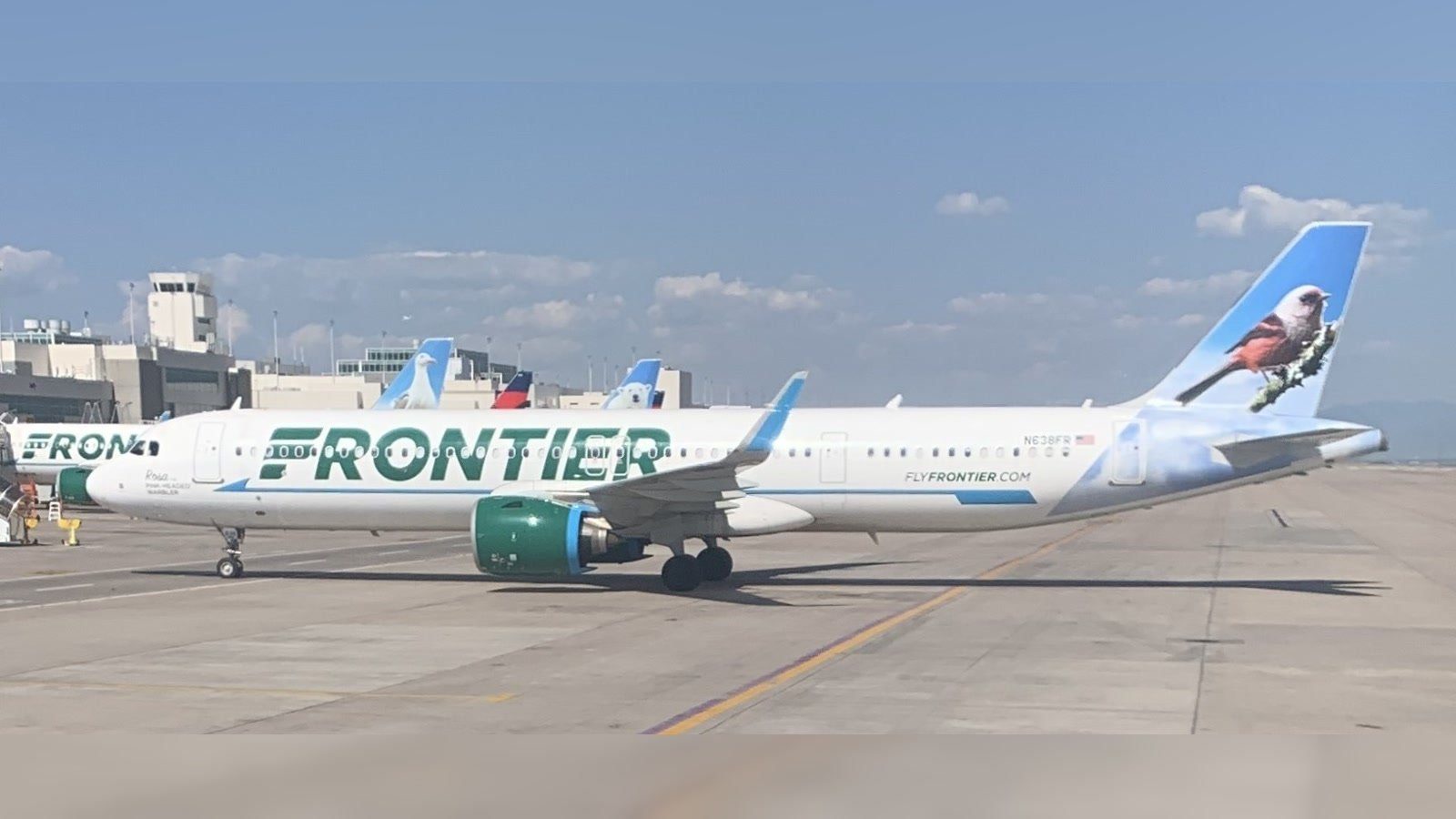
Sanctuary cities want it both ways: full federal customs processing at their airports and zero cooperation with ICE once illegal aliens walk out the terminal doors.
President Trump’s administration is done letting them have it.
A May 23 AP update reported the travel industry is worried after Homeland Security Secretary Markwayne Mullin reiterated the threat to withdraw Customs and Border Protection officers from airports serving sanctuary jurisdictions.
The public threat had already been circulating for weeks, and the clip below shows the enforcement leverage Mullin put on the table.
DHS Secretary Mullin raises the possibility of pulling CBP and customs officers from airports in large sanctuary cities, citing lack of cooperation with the federal government and funding refusals.
International arrivals would be unable to clear customs at those airports.
“It’s… pic.twitter.com/wdYNlNIcr1
— Open Source Intel (@Osint613) April 6, 2026
The message is simple: if your city refuses to cooperate with federal immigration enforcement, maybe your city does not need federal officers staffing your international arrivals hall.
According to Reuters and The Atlantic, Mullin privately raised the possibility of reducing CBP staffing and processing capacity at major airports during a recent meeting with travel-industry executives.
The airports potentially in the crosshairs serve some of the biggest blue strongholds in the country: Denver, Philadelphia, Chicago, Los Angeles, New York City, Newark, Seattle, San Francisco, and Portland.
Investing.com carried the Reuters wire with similar details from the private warning:
Mullin privately warned travel executives that DHS could stop processing international travelers and cargo at major airports in sanctuary cities that decline to cooperate with the Trump administration’s immigration crackdown. He had first made the threat publicly in April during a DHS funding dispute, then repeated it privately as the administration kept looking for ways to pressure blue jurisdictions into cooperating with federal immigration enforcement.
The possible airport list included Denver, Philadelphia, Chicago, Los Angeles, New York City, Newark, Seattle, and San Francisco. These are not tiny airports in out-of-the-way towns.
They are major international gateways used by passengers, airlines, and cargo operators every day. The pressure point is obvious: sanctuary leaders can posture against ICE in front of their local base, but international air travel still depends on federal officers doing federal work at the airport.
If those cities refuse cooperation outside the terminal, the Trump administration is asking why federal airport support should be treated as automatic inside the terminal.
Every one of those cities has declared itself a sanctuary jurisdiction in some form, limiting local law enforcement cooperation with ICE.
Every one of them also relies heavily on CBP officers to process international passengers, cargo, and customs inspections at their airports.
That is the leverage.
Trade groups are already sounding alarms.
U.S. Travel and Airlines for America warned that reducing CBP staffing would cause major disruption to international travel, tourism, and cargo operations.
The AP laid out the current fight this way:
The travel industry is on edge because Homeland Security Secretary Markwayne Mullin reiterated that the administration is considering pulling U.S. Customs and Border Protection officers from airports tied to sanctuary jurisdictions. The point was not a minor staffing shuffle.
CBP officers process international passengers, customs inspections, and related airport operations. A reduction at major hubs could quickly become a direct problem for airlines, cargo, tourism, and local economies.
U.S. Travel confirmed Mullin raised the idea in a meeting where the group was already warning the administration about proposals that could hurt travel. The industry response was immediate.
U.S. Travel and major airlines warned that reducing CBP staffing would create major disruption, while Transportation Secretary Sean Duffy publicly questioned the idea. The same report noted that President Trump has previously threatened to withhold funding from sanctuary cities, making this airport fight part of a broader pressure campaign over local cooperation with federal immigration enforcement.
ADVERTISEMENTThe warning landed because international airports rely on federal screening capacity that local sanctuary policies cannot replace.
The industry lobbying is predictable, but the underlying policy question is legitimate: why should federal resources flow to jurisdictions that actively obstruct federal law?
There is a real policy debate inside the Trump administration on how far to push this.
Transportation Secretary Sean Duffy publicly sounded skeptical, saying air travel should not be shut down over political disagreements.
That is a fair concern from a cabinet secretary responsible for keeping planes moving on time.
Reuters captured the same pressure campaign when the threat first surfaced publicly in April.
Homeland Security Secretary Markwayne Mullin said customs officials could stop processing international travelers at major US airports in 'sanctuary cities' that have declined to cooperate with the Trump administration's hardline immigration crackdown https://t.co/bsWEw5aY9Q pic.twitter.com/r4cR3cTH9T
— Reuters (@Reuters) April 7, 2026
But Duffy’s caution does not mean the threat is off the table. It means the Trump team is weighing the right calibration, not abandoning the principle.
Mullin clearly believes the pressure point has value, and he is not wrong.
Sanctuary politicians created this conflict. They chose to shield illegal aliens from deportation while demanding every other federal service continue uninterrupted.
They want CBP officers processing tourists and cargo at JFK and O’Hare, but they do not want ICE officers removing criminal aliens from their streets.
That is not a principled legal position. It is a political convenience.
The Trump administration is testing whether that convenience has a price.
If sanctuary mayors want to posture as protectors of illegal aliens, they should be prepared to explain to their own residents why international flights are being rerouted to cities that actually cooperate with federal law.
Nobody is shutting down air travel. But forcing sanctuary jurisdictions to acknowledge that federal cooperation is a two-way street is long overdue.
The leverage exists. The question is how hard the administration decides to squeeze.
This is a Guest Post from our friends over at 100 Percent Fed Up. View the original article here.

Join the conversation!
Please share your thoughts about this article below. We value your opinions, and would love to see you add to the discussion!