

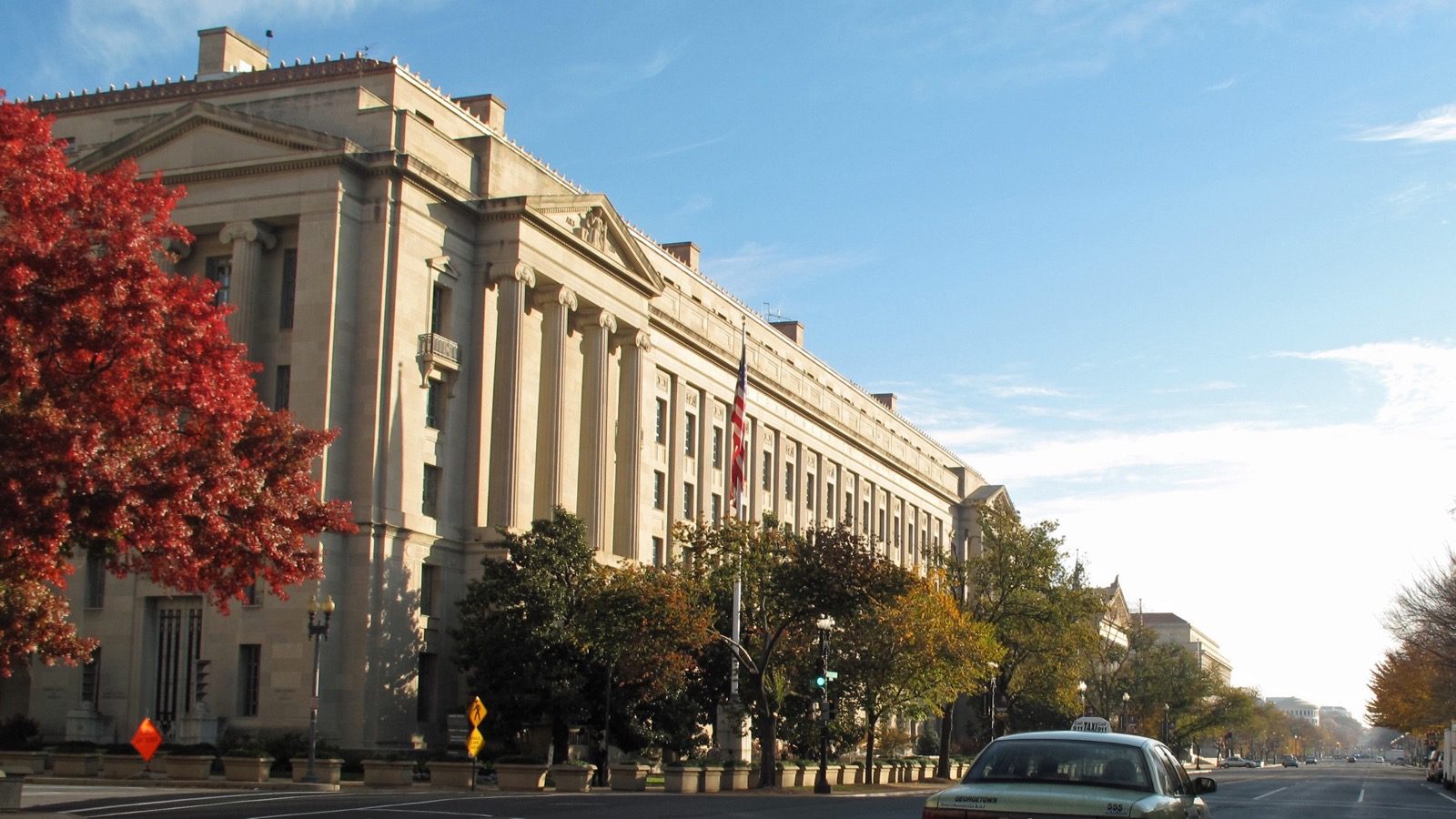
President Trump’s Department of Justice just made a record-breaking move to restore order to the nation’s overwhelmed immigration court system.
The Executive Office for Immigration Review announced May 21 that it had sworn in 77 immigration judges and 5 temporary immigration judges at an investiture ceremony held the day before in DOJ’s Great Hall in Washington.
It is the largest class of new adjudicators in EOIR history.
The additions grow the total immigration judge corps to nearly 700, and EOIR says it has now hired 153 permanent immigration judges in fiscal year 2026, the most in a single year in the agency’s history.
The Department of Justice posted about the milestone:
.@DOJ_EOIR Announces 77 Immigration Judges and 5 Temporary Immigration Judges: LARGEST CLASS IN AGENCY'S HISTORY
“The Trump administration is committed to reestablishing an immigration judge corps that is dedicated to restoring the rule to the law in our nation’s immigration… pic.twitter.com/JRSIMZuNiF
— U.S. Department of Justice (@TheJusticeDept) May 21, 2026
Acting Attorney General Todd Blanche and EOIR Director Daren Margolin delivered remarks at the ceremony, with Chief Immigration Judge Teresa Riley administering the oath.
Blanche said the administration is reestablishing an immigration judge corps dedicated to restoring the rule of law in the nation’s immigration system, crediting President Trump’s decisive leadership and commitment to securing the border.
As reported by the Department of Justice:
EOIR said it swore in 77 immigration judges and 5 temporary immigration judges, calling the class the largest group of new adjudicators in the agency’s history. The release says the additions grow the immigration judge corps to nearly 700 and bring EOIR to 153 permanent immigration-judge hires in fiscal year 2026, the highest single-year total the agency has recorded.
The investiture was held May 20, 2026, in the Department of Justice’s Great Hall in Washington Acting Attorney General Todd Blanche and EOIR Director Daren Margolin delivered remarks, and Chief Immigration Judge Teresa Riley administered the oath of office.
Blanche said the Trump administration is reestablishing an immigration judge corps dedicated to restoring the rule of law in the nation’s immigration system. He credited President Trump’s decisive leadership and commitment to securing the border for making the record class possible.
EOIR also said reducing the immigration court backlog remains one of its highest priorities. Since January 20, 2025, the agency says it has completed more than 1.08 million cases and reduced the pending caseload by more than 447,000 cases, bringing it from approximately 4 million to under 3.53 million.
Those backlog numbers are staggering in scope.
When Trump took office, the pending immigration court caseload sat at roughly 4 million cases. EOIR has now whittled that down to under 3.53 million, completing more than 1.08 million cases along the way.
Immigration judges are DOJ employees who serve under EOIR, not Article III federal judges. They decide whether noncitizens the government seeks to deport should be removed from the United States or allowed to stay.
Many of the new judges come from backgrounds in immigration enforcement and law, including former ICE lawyers, prosecutors, military officers, judge advocates, state and local judges, and private practice attorneys.
As the Daily Caller reported:
The administration’s record increase in immigration judges is aimed directly at speeding deportation cases and shrinking the backlog that had jammed the immigration-court system. Immigration judges are critical to that process because many removal cases must be decided before a deportation can move forward.
The new class includes 77 permanent immigration judges and 5 temporary immigration judges, while EOIR’s permanent immigration-judge hiring total for fiscal year 2026 has reached 153. Those numbers match DOJ’s announcement that the agency has never hired more permanent immigration judges in a single year.
The backlog numbers are the larger point. DOJ says EOIR has taken the pending caseload from roughly 4 million cases to under 3.53 million since President Trump took office, while completing more than 1.08 million cases along the way.
The report also tied the new judge class to the administration’s broader enforcement posture. The practical takeaway is simple: more judges mean more case capacity, and more case capacity gives the administration a stronger path to turn immigration enforcement priorities into actual removal decisions where the law requires them.
The Western Journal also covered the announcement:
The Justice Department’s announcement added more than 80 immigration adjudicators at once, making it the largest addition in EOIR history. The new class is made up of 77 full-time immigration judges and 5 temporary immigration judges, and it comes as the administration is trying to move long-delayed cases through the system faster.
EOIR has hired 153 permanent immigration judges since the fiscal year began on October 1, another record cited in the DOJ release. The agency says all immigration judges, including temporary immigration judges, go through the same training program before hearing cases.
The backlog numbers show why the hiring push matters. DOJ says EOIR has completed more than 1.08 million cases since January 20, 2025, reduced pending cases by more than 447,000, and dropped the pending caseload from approximately 4 million to under 3.53 million.
That still leaves a massive amount of work, but it also shows measurable movement in a system that had been buried under years of delay. For President Trump’s immigration agenda, the court capacity is not a side issue; it is one of the mechanics that determines whether enforcement can actually happen.
ADVERTISEMENT

Not the Bee summed up the conservative reaction:
Trump admin hires 82 new immigration judges to speed up deportation processhttps://t.co/DSrPbOtKfw
— Not the Bee (@Not_the_Bee) May 22, 2026
The simple reality is that no amount of border enforcement matters if the court system is too jammed to process cases.
A 4-million-case backlog meant years of delay, and delay is effectively amnesty for anyone who can stall long enough.
Growing the judge corps to nearly 700 and clearing over a million cases since Inauguration Day is how you turn enforcement policy into enforcement results.

Join the conversation!
Please share your thoughts about this article below. We value your opinions, and would love to see you add to the discussion!