

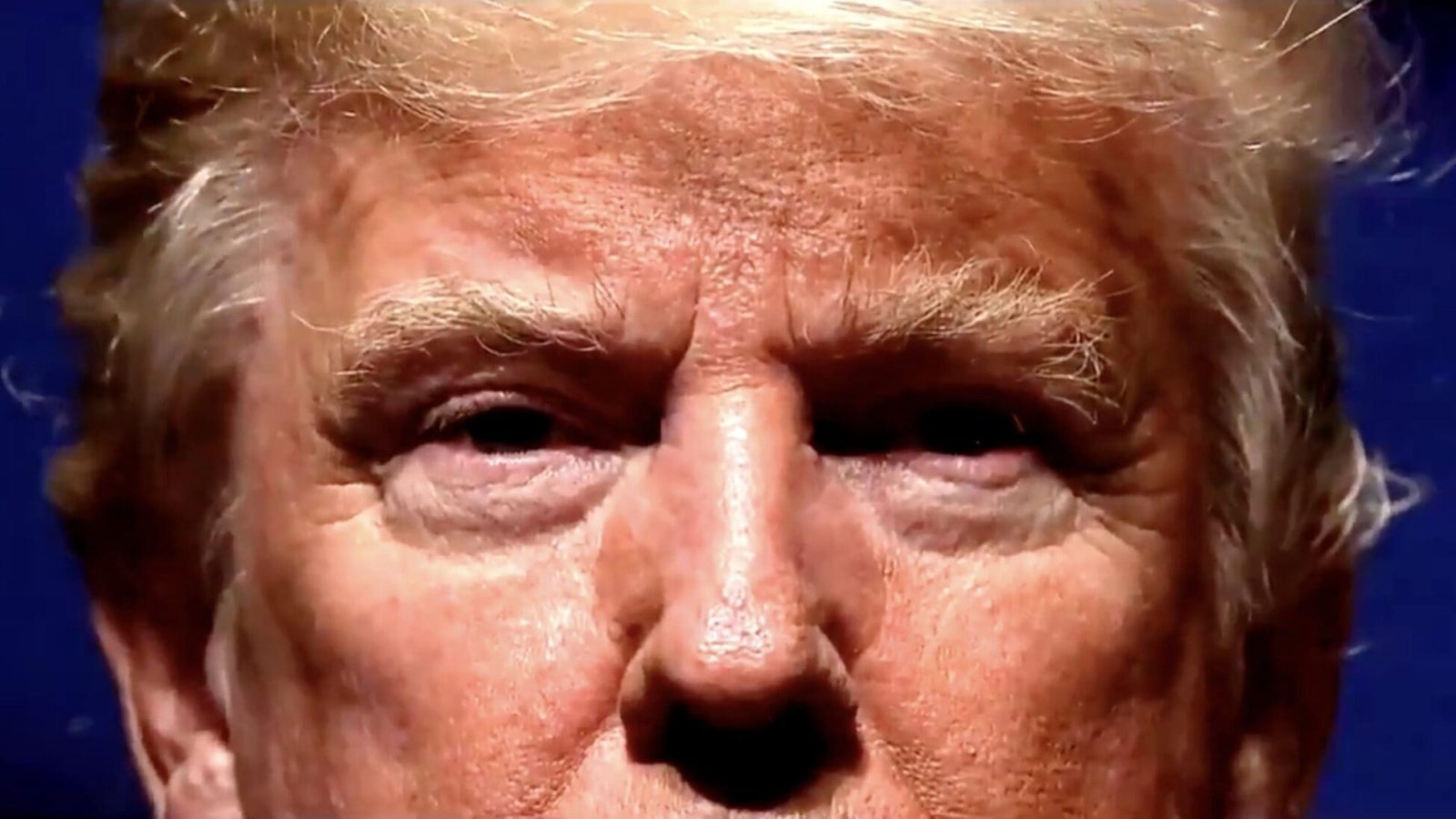
“Hakeem Jeffries, a Low IQ individual, said our Supreme Court is ‘illegitimate.’ After saying such a thing, isn’t he subject to Impeachment?” Trump wrote on Truth Social.
“I got impeached for A PERFECT PHONE CALL. Where are you Republicans? Why not get it started? They’ll be doing this to me!” he added.
Watch below:
🚨 HOLY CRAP! President Trump demands House Republicans immediately begin the process of REMOVING Hakeem Jeffries from office
"Hakeem Jeffries, a Low IQ individual, said our Supreme Court is “illegitimate.” After saying such a thing, isn’t he subject to Impeachment? I got… pic.twitter.com/3godK446SH
— Eric Daugherty (@EricLDaugh) May 3, 2026
USA TODAY shared:
It is possible for members of Congress to be removed by their colleagues, but it isn’t through impeachment. Here is what to know:
An impeachment is akin to an indictment; it approves formal charges against a federal officeholder who has been accused of committing a crime. The impeachment clause names the president, vice president and “all civil officers of the U.S.” as eligible.
The articles (charges) of impeachment must be adopted by a simple majority vote in the House before the Senate holds an impeachment trial. When a president is on trial, the Supreme Court chief justice presides. If the Senate votes by a two-thirds majority to convict, only then can the accused be removed from office. Sometimes, that also means they can never hold office again.
The impeachment text likely does not apply to members of Congress, according to Constitution Annotated, a government-sanctioned analysis and interpretation of the U.S. Constitution.
The Constitution does grant the power of expulsion for Congress to remove an elected official, to “punish its Members for disorderly Behaviour, and, with the Concurrence of two thirds, expel a Member.”
“Jeffries Derangement Syndrome,” Jeffries responded to Trump’s post.
Jeffries Derangement Syndrome. pic.twitter.com/QUDHDsVWln
— Hakeem Jeffries (@RepJeffries) May 3, 2026
The Hill noted:
On Wednesday, the Supreme Court declared Louisiana’s addition of a second majority-Black congressional district an unconstitutional racial gerrymander. The decision, 6-3, weakened a central provision of the Voting Rights Act.
Section 2 of the Voting Rights Act has historically enabled advocacy groups to force the creation of additional majority-minority districts. Wednesday’s decision does not get rid of the provision as a whole, with Justice Samuel Alito portraying it as an “update” to the framework that has governed Voting Rights Act cases for decades.

Join the conversation!
Please share your thoughts about this article below. We value your opinions, and would love to see you add to the discussion!