

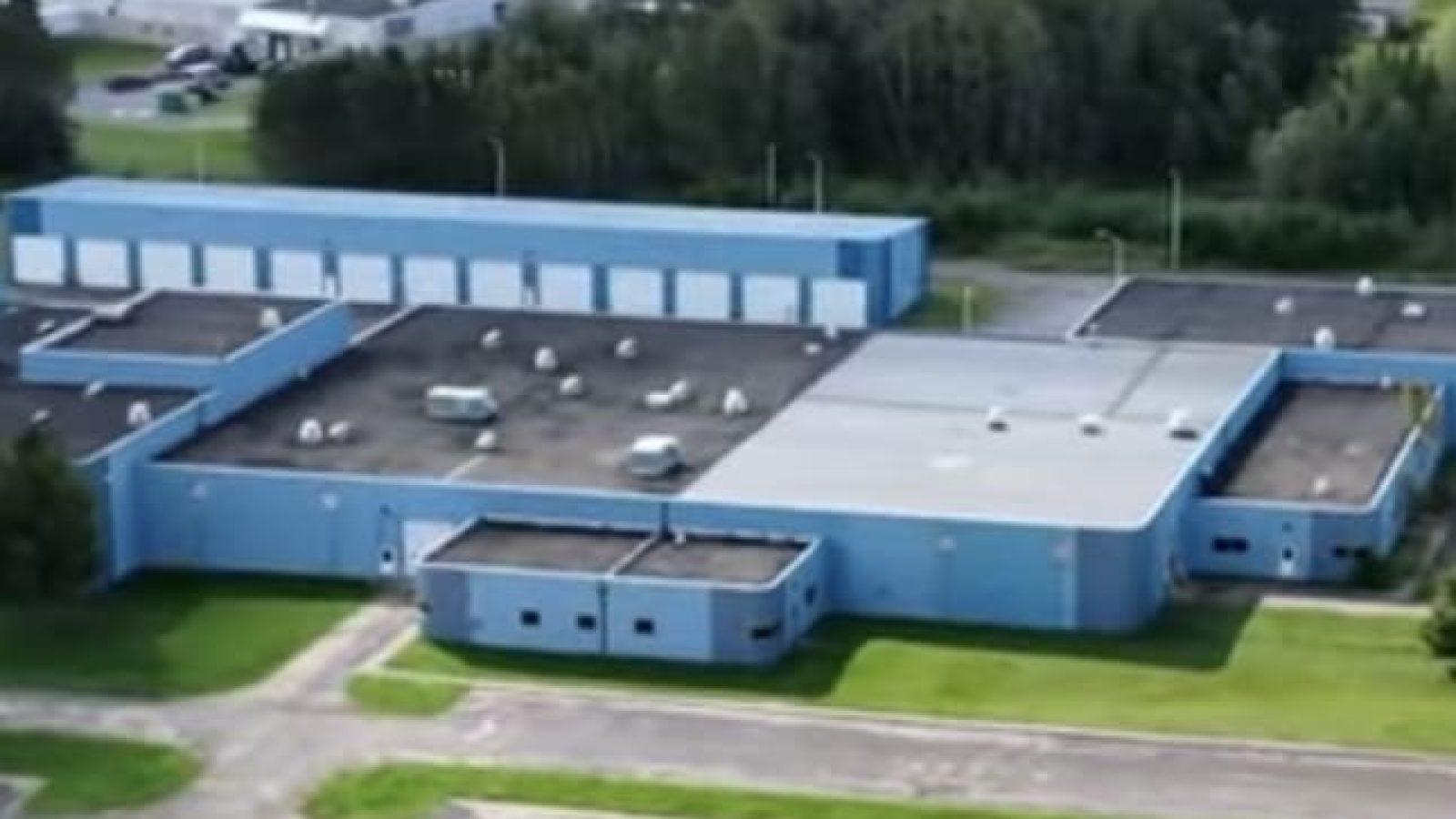
Maine is poised to become the first state to pause many new AI data center projects as it weighs the potential impact on local communities and power systems.
A proposal in the state legislature would “pause new projects of 20 megawatts or more until November 2027,” Straight Arrow News reports.
During that timeframe, the state would study the effects of data centers on “the environment and the electric grid,” the outlet noted.
“Maine is poised to freeze large data-center construction, which would make it the first state to enact such a measure as communities across the U.S. grapple with fallout from the AI boom,” The Wall Street Journal wrote.
Maine is poised to freeze large data-center construction, which would make it the first state to enact such a measure as communities across the U.S. grapple with fallout from the AI boom https://t.co/jY0LDvtFuc
— The Wall Street Journal (@WSJ) April 2, 2026
More from Straight Arrow News:
The bill passed the Maine House last month with some Republican support and is expected to clear the Senate.
Gov. Janet Mills, a Democrat, backs a moratorium, though her office also supports an exception for one planned project in Jay, Maine.
Maine’s fight reflects a broader debate over whether states should keep courting data centers for tax revenue and construction jobs even as the facilities place heavier demands on land, water and electricity.
U.S. data centers consumed 183 terawatt-hours of electricity in 2024, according to a Pew Research Center analysis, more than 4% of total U.S. electricity use. That demand is projected to more than double to 426 terawatt-hours by 2030. The total represents traditional cloud computing and cryptocurrency mining, not just AI, even as the AI boom is pushing facilities to expand and consume more power.
That growth is becoming harder for states to ignore because it is concentrated rather than evenly spread. Pew reported that in 2023, data centers consumed about 26% of Virginia’s electricity supply and 12% of Nebraska’s.
The fight against data centers is hitting local communities across the country, both red and blue states.
For example, a city council in Missouri recently approved a $6 billion data center project despite massive public pushback.
$6 Billion Data Center Approved In Red State Despite Massive Public Pushback
There are also multiple examples of residents rejecting lucrative offers to sell their farmland to data center developers.
Farmer Offered $15 Million For Land By Data Center Developer, Explains His Response
Sen. Bernie Sanders (I-VT) and Rep. Alexandria Ocasio-Cortez (D-NY) proposed legislation to impose a moratorium on the construction of new AI data centers.
“We are announcing legislation to impose a moratorium on the construction of new AI data centers until strong national safeguards are in place to ensure that AI is safe and effective,” Sanders said.
Check it out:
🚨 BERNIE SANDERS: “We are announcing legislation to impose a moratorium on the construction of new AI data centers until strong national safeguards are in place to ensure that AI is safe and effective.” pic.twitter.com/RE3vROZ4r3
— Chief Nerd (@TheChiefNerd) March 25, 2026
Reason Magazine provided another viewpoint on a data center moratorium:
But just because states have the power to suspend data center construction doesn’t mean doing so is a good idea. In fact, this precautionary approach imposes costs of its own.
State Sen. Matt Harrington (R–Stanford) said the statewide moratorium could cost his district 100 long-term jobs by shuttering the construction of a 100–300 megawatt facility that had already purchased land. The bill would stall development of the data center even though it would be powered by its own natural gas plant, reducing strain on the grid.
Still, Sachs told the Maine Morning Star that the Stanford data center, “could have serious potential impacts on Maine ratepayers [and] our electric grid.” Neil Chilson, head of AI policy at the Abundance Institute, tells Reason that Sachs’ bill, not data centers, could actually raise electricity bills in the long run.
“Data centers are steady, long-term customers that give utilities the reliable income they need to invest in more power generation and grid upgrades, which benefits everyone,” explains Chilson.
It’s also worth recognizing that Sachs’ panic over the environmental impacts of these facilities is overblown. As Christian Bristichgi wrote in a recent Reason cover story, “data centers consume a tiny portion of the nation’s water. While they’re not the prettiest buildings to look at, they mean less noise, fumes, and traffic than almost any other land use one could care to name.” And as the technology improves, its environmental impacts will shrink. “In many ways this is the least efficient AI that we will ever have,” says Jennifer Huddleston, senior fellow in technology policy at the Cato Institute.
Huddleston also emphasizes that data centers are critical to existing technologies that involve cloud computing, not just AI. Adam Thierer, senior fellow at the R Street Institute, warns that blanket bans on data centers will function as “an actual Internet access kill switch” by undermining online services and raising costs.
Do you agree?

Join the conversation!
Please share your thoughts about this article below. We value your opinions, and would love to see you add to the discussion!