

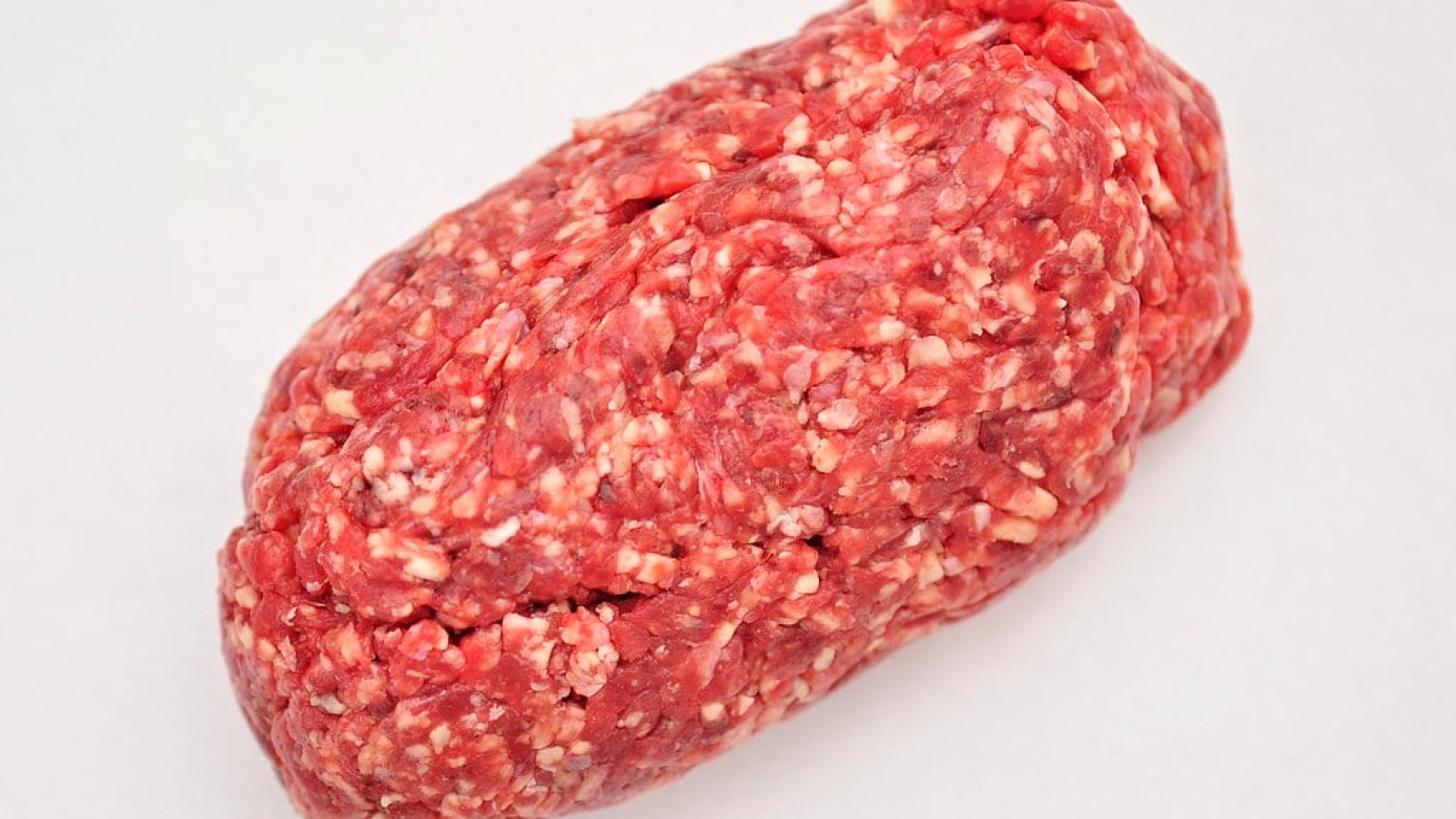
More than 2,800 pounds of grass-fed ground beef has been recalled over possible E. coli contamination.
“Mountain West Food Group, LLC, a Heyburn, Idaho establishment, is recalling approximately 2,855 pounds of raw ground beef products that may be contaminated with E. coli O26,” the U.S. Department of Agriculture’s Food Safety and Inspection Service (FSIS) announced.
Nearly 3,000 pounds of ground beef across six states was recalled on Saturday due to possible E. coli contamination, the Department of Agriculture said. https://t.co/rVv3fSebPC pic.twitter.com/2aeSpqRZkp
— Yahoo News (@YahooNews) December 30, 2025
Fox Business has more:
The “Forward Farms Grass-Fed Ground Beef” items packed in 16-ounce packages were produced on Dec. 16 and shipped to distributors in California, Colorado, Idaho, Montana, Pennsylvania and Washington state for further distribution to retail establishments.
The impacted beef has “Forward Farms Grass-Fed Ground Beef” on its label, along with the use-by or freeze-by date of Jan. 13 and “Est 2083” printed on the side.
The issue was discovered during “routine” testing, with the sampling results showing the presence of E. coli O26, according to the FSIS announcement.
People can become ill from Shiga toxin-producing E. coli “28 days (average of 34 days) after exposure to the organism.”
“Most people infected with STEC O26 develop diarrhea (often bloody) and vomiting. Some illnesses last longer and can be more severe. Infection is usually diagnosed by testing of a stool sample. Vigorous rehydration and other supportive care is the usual treatment; antibiotic treatment is generally not recommended,” the FSIS stated in the release.
“Most people recover within a week, but, rarely, some develop a more severe infection. Hemolytic uremic syndrome (HUS), a type of kidney failure, is uncommon with STEC O26 infection. HUS can occur in people of any age but is most common in children under 5 years old, older adults and persons with weakened immune systems. It is marked by easy bruising, pallor and decreased urine output. Persons who experience these symptoms should seek emergency medical care immediately,” it continued.
NewsNation noted:
No illnesses have been reported as a result of the recall, the FSIS said.
Anyone who may have the product in their refrigerator or freezer should throw it away immediately or return the beef to the store it was bought from.
What’s your conclusion?

Join the conversation!
Please share your thoughts about this article below. We value your opinions, and would love to see you add to the discussion!