

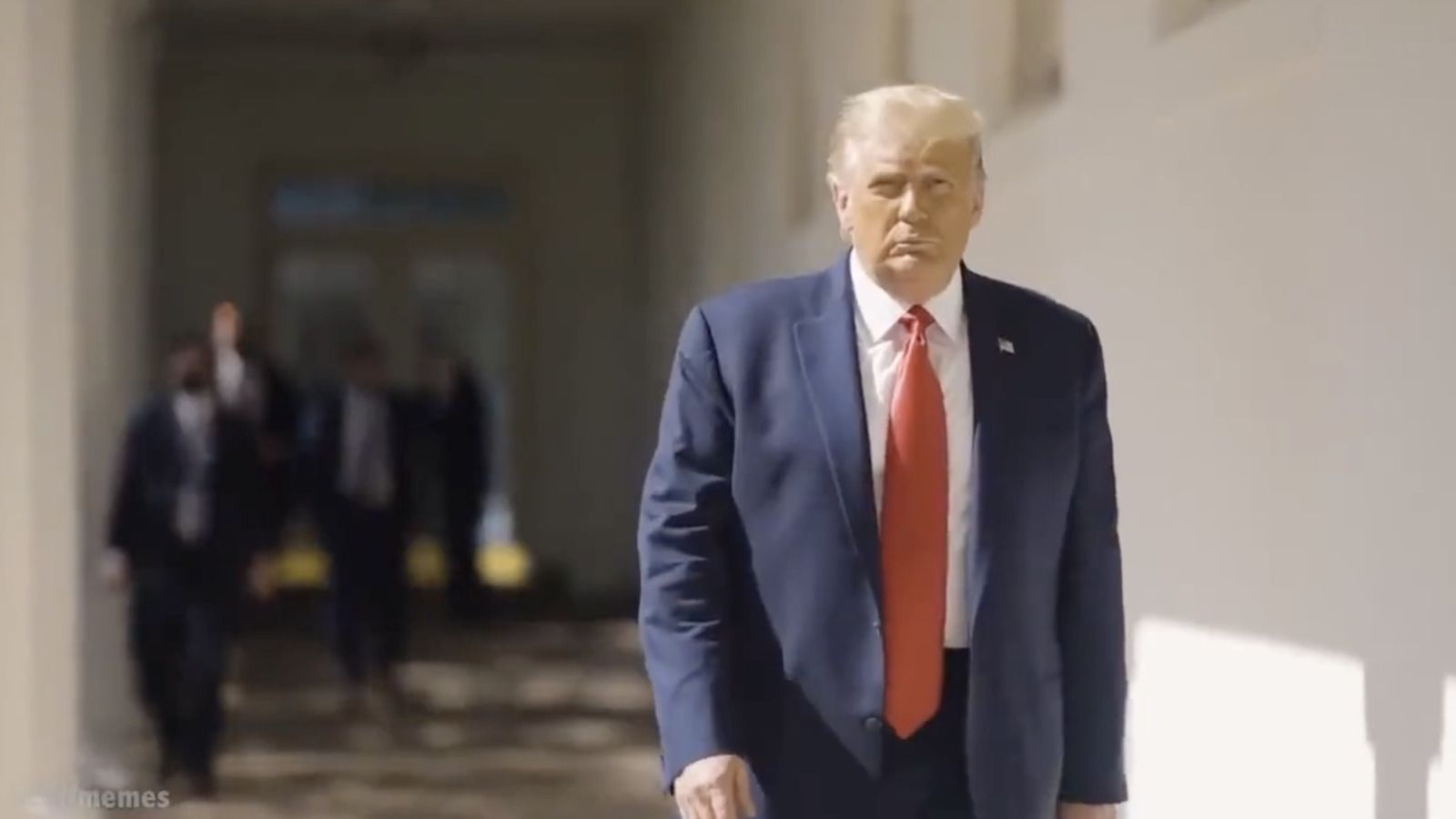
Reports began to surface this week that Taiwanese President Lai Ching-te had called off his planned tour of the United States, which had been scheduled to include stops in New York City and Dallas.
The change in plans were apparently in response to a Trump administration decision to block his appearance at an event in the Big Apple.
As the Daily Caller reported, speculation about the canceled trip soon began to swirl:
Lai then cancelled his visits altogether upon learning of the denial, according to the Financial Times. However, one senior U.S. official told Financial Times that both sides were “working to remedy the situation” and that nothing had been cancelled.
ADVERTISEMENTTrump has been pushing to meet Chinese President Xi Jinping, but has denied that he was seeking a summit with the Chinese leader.
“Trump wants to avoid irritating Beijing while U.S.-China negotiations are ongoing and planning gets under way for a possible summit with Xi Jinping,” Bonnie Glaser, a China and Taiwan expert at the German Marshall Fund, told Financial Times. China has long desired to fully annex Taiwan, while taking any implicit or explicit acknowledgement of its sovereignty as a diplomatic slight.
The story also drew an array of opinions on social media:
" unnamed sources allegedly close to the trip"
Really Financial Times?
Really?— 🇺🇲NUKE🇮🇱 (@gotham0910) July 29, 2025
Turned out to be a great move seeing as there's an active shooter there rn.
— ℙ𝕙𝕚 ℂ𝕒𝕡𝕚𝕥𝕒𝕝 𝕀𝕟𝕧𝕖𝕤𝕥𝕞𝕖𝕟𝕥𝕤 (@phi_ci) July 28, 2025
Definitely not a good look on the Trump Administration.
I support Trump, but will call him out if he appeases China, PERIOD.
— Arnie 🇺🇲 (@ArnulfoCarden17) July 29, 2025
Fox News also reported on the response to the “snub”:
The White House did not respond to Fox News Digital’s request for comment. However, a State Department source familiar with the matter indicated that the Trump administration continues to be committed to the government’s long-standing one China policy, rooted in the Taiwan Relations Act, joint diplomatic agreements with China and longstanding pledges crafted by the government in regard to Taiwan and China.
Despite being in line with longstanding government policy, the move still garnered criticism from some Asia policy experts and critics of Trump.
Lyle Morris, a senior fellow on foreign policy and national security at the Asia Society’s Center for China Analysis, said the “first concrete move” under Trump’s second term regarding Taiwan is “a cause for concern.”
ADVERTISEMENT“The assumption is this decision was made in the context of ongoing US-China trade negotiations and a possible Trump-Xi meeting,” Morris said on X. “Still, not a good sign for enduring US-Taiwan relations.”
Trump has maintained his position on the One China policy since his first term in office:

Join the conversation!
Please share your thoughts about this article below. We value your opinions, and would love to see you add to the discussion!