

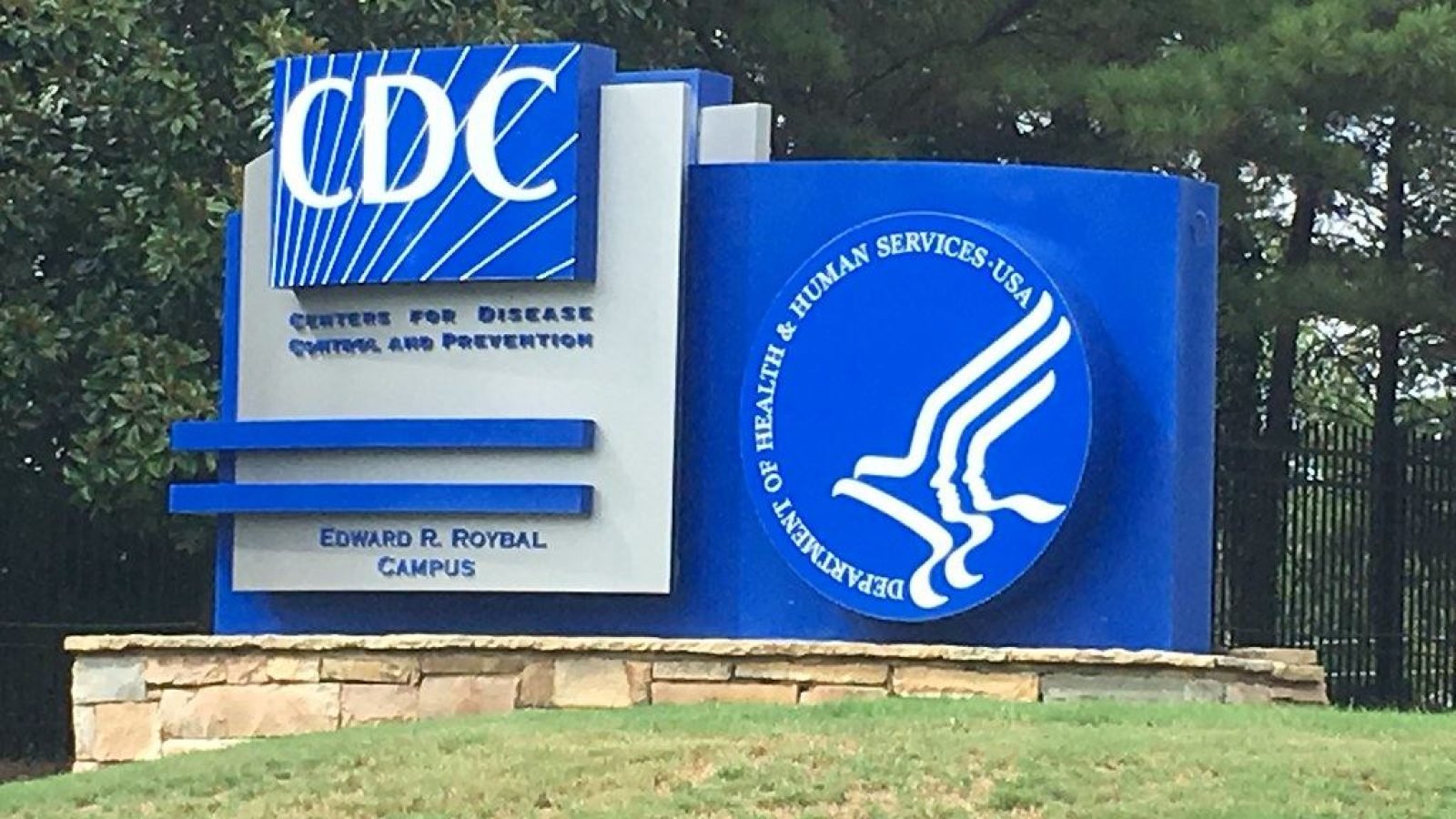
Thimerosal, a controversial mercury-based preservative, faced a consequential vote at the Advisory Committee on Immunization Practices (ACIP) meeting.
The panel advises the Centers for Disease Control and Prevention (CDC) on the vaccine schedule and held its first meeting since Health and Human Services (HHS) Secretary Robert F. Kennedy Jr. retired prior members.
HHS Secretary Robert F. Kennedy Jr. Appoints Robert Malone, Others To Vaccine Advisory Panel
Before serving in his current role as health secretary, Robert F. Kennedy Jr. intensely scrutinized thimerosal in vaccines.
According to POLITICO, RFK Jr. previously published a book alleging thimerosal likely caused autism and should be banned.
Although the majority of currently used influenza vaccines in the United States are thimerosal-free, it has been a controversial topic for decades.
The committee voted 5-1 on Thursday to recommend against flu vaccines containing thimerosal.
It recommended influenza shots that do not contain the preservative.
New: CDC advisers said that the agency should start recommending influenza vaccines free from thimerosal, a preservative that contains mercury. https://t.co/lK0VCuJAm4
— Zachary Stieber (@ZackStieber) June 26, 2025
"RFK Jr’s new ACIP vaccine panel votes AGAINST flu shots with thimerosal. Kennedy spent decades fighting to get thimerosal—a compound containing mercury and a known neurotoxin—out of vaccines," The Vigilant Fox wrote.
"Thimerosal was phased out of childhood vaccines in the early 2000s, but it’s still used in some flu vaccines. Today, ACIP voted to recommend only single-dose flu shots that are free of thimerosal," the post added.
Watch footage from the ACIP meeting below:
#3 - RFK Jr’s new ACIP vaccine panel votes AGAINST flu shots with thimerosal.
Kennedy spent decades fighting to get thimerosal—a compound containing mercury and a known neurotoxin—out of vaccines.
Thimerosal was phased out of childhood vaccines in the early 2000s, but it’s… pic.twitter.com/QHaUAeGSIh
— The Vigilant Fox
(@VigilantFox) June 26, 2025
However, the committee recommended Americans still receive an annual flu shot.
ABC News explained:
A few moments before, the Centers for Disease Control and Prevention's vaccine advisory committee voted 6-0 to recommend all Americans aged 6 months and older receive an annual influenza vaccine.
One committee member, Vicky Pebsworth, abstained on each vote.
Thimerosal is a mercury-based preservative, which is used to prevent microbial contamination of vaccines. Most flu vaccines currently used in the United States contain little to no thimerosal, but both the Food and Drug Administration and the CDC say there is no evidence low doses of thimerosal in vaccines cause harm other than minor reactions at the injection site, such as redness or swelling.
Dr. Peter McCullough expressed criticism of the one-size-fits-all recommendation for annual flu vaccines.
"A long-overdue move on thimerosal still leaves millions subject to annual flu shots that increase flu risk by 27% and non-influenza infections by 340%. New group still missing the mark on safety and efficacy concerns," he said.
New ACIP Panel Votes to Remove Thimerosal—But Still Recommends Flu Shots for Nearly All Americans
A long-overdue move on thimerosal still leaves millions subject to annual flu shots that increase flu risk by 27% and non-influenza infections by 340%. New group still missing the… pic.twitter.com/j0e45i04NW
— Peter A. McCullough, MD, MPH® (@P_McCulloughMD) June 26, 2025
Meanwhile, RFK Jr. published a lengthy post about the mercury-containing preservative ahead of the ACIP meeting.
"In conformance with the pharma-financed mainstream media’s mantric ritual of dutifully parroting the propaganda tropes spoon-fed them by vaccine makers and their captive regulators, @guardian
on Friday pronounced thimerosal, the ethylmercury-based vaccine preservative, 'safe.' Opining under the headline, 'CDC vaccine panel to review ingredient RFK Jr has targeted for removal,' The Guardian authoritatively assures: 'The preservative has been deemed safe.' The Guardian did not bother to cite any peer-reviewed study," RFK Jr. wrote.
"Journalists don’t seem to read those anymore. Instead, it referenced a fact check website operated by the Pharma-funded American Academy of Pediatrics. @AmerAcadPeds likewise cites no peer-reviewed study to support this claim or its equally terse assertion that 'Thimerosal has been removed from all routine childhood vaccines,'" he continued.
"This is another treadworn lie of the vaccine industry. There are high bolus doses of mercury in flu shots, which CDC recommends to pregnant women in any trimester of pregnancy and as a routine vaccine for children at six months and in every year of life. Between conception and age 18, a compliant American child today could get a cumulative load of as much as 500 mcg of ethylmercury from multidose flu shots—nearly double of what they were once getting from all the childhood vaccines put together," he added.

In conformance with the pharma-financed mainstream media’s mantric ritual of dutifully parroting the propaganda tropes spoon-fed them by vaccine makers and their captive regulators, @guardian on Friday pronounced thimerosal, the ethylmercury-based vaccine preservative, “safe.”…
— Secretary Kennedy (@SecKennedy) June 25, 2025
Full text:
In conformance with the pharma-financed mainstream media’s mantric ritual of dutifully parroting the propaganda tropes spoon-fed them by vaccine makers and their captive regulators, @guardian on Friday pronounced thimerosal, the ethylmercury-based vaccine preservative, “safe.” Opining under the headline, “CDC vaccine panel to review ingredient RFK Jr has targeted for removal,” The Guardian authoritatively assures: “The preservative has been deemed safe.” The Guardian did not bother to cite any peer-reviewed study.
Journalists don’t seem to read those anymore. Instead, it referenced a fact check website operated by the Pharma-funded American Academy of Pediatrics. @AmerAcadPeds likewise cites no peer-reviewed study to support this claim or its equally terse assertion that “Thimerosal has been removed from all routine childhood vaccines.”
This is another treadworn lie of the vaccine industry. There are high bolus doses of mercury in flu shots, which CDC recommends to pregnant women in any trimester of pregnancy and as a routine vaccine for children at six months and in every year of life. Between conception and age 18, a compliant American child today could get a cumulative load of as much as 500 mcg of ethylmercury from multidose flu shots—nearly double of what they were once getting from all the childhood vaccines put together.
Now let’s look at The Guardian claim that thimerosal is safe.
A quick search at the National Library of Medicine’s PubMed and PubChem websites nets thousands of studies on search terms such as: mercury neurotoxicity,[1],[2] mercury and development,[3],[4] and mercury and brain,[5],[6] and hundreds that identify thimerosal as a potent neurotoxin, carcinogen, mutagen, and endocrine disruptor. There has never been a study that proves thimerosal safe.
In early 2001, Director of the FDA Office of Vaccine Research and Review, the late William Egan, admitted under oath before Congress that thimerosal’s safety had never been studied in human beings.[7],[8] I leave it to the reader to speculate as to why CDC has not performed such studies in the intervening 24 years as it dosed hundreds of millions of American children and pregnant moms with mercury-laden flu shots. Furthermore, CDC has no existing guidelines for safe exposure to ethylmercury.[9]
ADVERTISEMENTBut let’s put all that peer-reviewed science aside and just look at what the government and the vaccine industry say about thimerosal. Thimerosal’s label advises against its use during pregnancy, pointing out that thimerosal has never been shown to be safe and that it causes mutations in mammals.[10],[11] Thimerosal’s material safety data sheet (MSDS) acknowledges that thimerosal is “toxic,” has “Nervous System and Reproductive Effects,” and is “mutagenic in mammalian cells,” and that exposure to mercury in thimerosal “in utero and in children can cause mild to severe mental retardation and mild to severe motor coordination impairment.”[12]
The MSDS lists a grim inventory of dozens of other devastating injuries from thimerosal exposure.[13] In 2001, the National Institute for Environmental Health Sciences (NIEHS) revised its thimerosal toxicity statement, warning that thimerosal is “toxic by ingestion and inhalation.”[14]
The California EPA recognizes thimerosal as a reproductive toxicant in the clearest possible language: “Thimerosal dissociates in the body to ethyl mercury. The evidence for its reproductive toxicity includes severe mental retardation or malformations in human offspring who were poisoned when their mothers were exposed to ethyl mercury or thimerosal while pregnant, studies in animals demonstrating developmental toxicity after exposure to either ethyl mercury or thimerosal, and data showing interconversion to other forms of mercury that also clearly cause reproductive toxicity.
The US EPA, the authoritative body relied on when mercury and mercury compounds were listed under California’s Proposition 65, currently identifies mercury and mercury compounds as causing reproductive toxicity.” The amount of ethylmercury in a flu shot is 25,000 times EPA’s safety level for drinking water.[15],[16]
Federal and state laws provide that whenever expired thimerosal vaccines are disposed of, they constitute a hazardous waste.
In 1998, FDA banned thimerosal in all over-the-counter products, ending its use in creams, eye medicine, and disinfectants like mercurochrome. It’s ironic that CDC still recommends its injection into babies.
A 2000 study by the National Research Council found that prenatal and infant mercury exposures cause multiple impacts to basic brain development by disrupting the division and migration of neuronal cells.[17],[18],[19]
According to a National Toxicology Program PowerPoint presentation entitled “Comparative Toxicity of Ethyl and Methyl Mercury”: “Ethylmercury is a neurotoxin. Infants may be more susceptible than adults. Ethylmercury exposure from vaccines (added to dietary exposures to methylmercury) probably caused neurotoxic responses (likely subtle) in some children.”[20]
A 2005 NIH study commissioned by FDA’s Center for Biologics Evaluation and Research (CBER) and performed by the National Toxicity Program (NTP) obliterated the industry claim that the ethylmercury in vaccines is less toxic than the heavily regulated methylmercury in fish, finding that the ethylmercury in thimerosal crosses the blood-brain barrier, lodges in the brain, and metabolizes into the most toxic form of mercury at double the rate of methylmercury.[21] A subsequent study found that this highly toxic mercury remains in the brain for over 27 years.[22]
A 2000 study in Neurotoxicology by Dr. William Slikker Jr., former head of the FDA’s National Center for Toxicological Research, directly foretold the results of a 2005 NIH-funded study, reporting that “Thimerosal (sodium ethylmercurithiosalicylate) crosses the blood-brain and placental barriers and results in appreciable mercury content in tissues including brain.”[23]
A 2017 NIH/CDC study links miscarriage to flu vaccines, particularly in the first trimester. Pregnant women vaccinated in the 2010/2011 and 2011/2012 flu seasons had two times greater odds of having a miscarriage within 28 days of receiving the vaccine. [24]
In women who had received the H1N1 vaccine in the previous flu season, the odds of having a miscarriage within 28 days were 7.7 times greater than in women who did not receive a flu shot during their pregnancy. These results are all the more significant when considering the fact that 7 of the 13 authors on the study had potential conflicts of interest such as having received research support from GlaxoSmithKline, Sanofi, Pfizer, Merck, Novartis, Novavax, and other Big Pharma companies. One author, Frank DeStefano, was head of CDC’s immunization Safety Branch.
ADVERTISEMENTIt’s noteworthy that these authors chose not to differentiate outcomes between thimerosal-containing flu shots and those that did not contain thimerosal. Around half the flu shots available at that time contained thimerosal.
On October 1, 2001, the Institute of Medicine of the National Academy of Sciences Immunization Safety Review Committee (ISR) issued a report concluding that the link between thimerosal and the rise of neurological injuries in children, including autism, is “biologically plausible,”[25] and recommended the termination of all thimerosal-preserved vaccines.
An entire bibliography of pharmacokinetic studies by independent scientists, prestigious universities, and prominent research institutes published in high-gravitas journals, attest to thimerosal’s powerful neurotoxicity, and show that mercury tends to accumulate (and remain for considerable periods of time, years to decades) in the brains of primates and other animals after injection of thimerosal-containing vaccines.[26]
It’s worth noting just one of these, a well-known Russian study from 1977 led by Dr. N.D. Mukhtarova, found that the majority of adults exposed to much lower concentrations of ethylmercury than those currently given to American children in vaccines were still suffering neurological injury and neuropathology several years after the exposure. These symptoms included decreased vision, hearing, memory, vertigo, and pain and numbness in the hands and feet.[27],[28]
The Guardian is blind and scientifically baseless repetition of empty industry assurances about thimerosal safety is yet another proof that journalists, and particularly science journalists, have now devolved into obsequious stenographers for Big Pharma.
The health secretary cited sources in a follow-up post.
[1] “Mercury Neurotoxicity—Search Results—PubMed,” PubMed, accessed Jan. 28, 2025, https://t.co/2L9YuU3Bl6.
[2] “Mercury Neurotoxicity—Search Results—PubChem,” PubChem, accessed Jan. 28, 2025, https://t.co/0kWWbQQcQG.
[3] “Mercury and Development—Search Results—PubMed,” PubMed,…
— Secretary Kennedy (@SecKennedy) June 25, 2025
More info on ACIP's recommendation from NBC News:
Before ACIP recommendations are implemented, the CDC director must sign off on them. However, there is currently no director in place as the nominee for the position, Susan Monarez, awaits confirmation by the Senate. In the absence of a director, Kennedy has the authority to adopt the ACIP’s recommendations. ACIP recommendations do not mean the multi-dose vials are banned; for that to happen the Food and Drug Administration would need to revoke approval.
Thimerosal-free flu shots account for the majority of the doses given in the U.S. Just 4%-5% of flu vaccines used during the 2024-2025 season were multi-dose, thimerosal-containing vaccines, Tracey Beth Høeg, a special advisor to the FDA commissioner, said during the meeting.
Dr. Cody Meissner, a pediatrician, was the lone dissenting vote.
“The risk from influenza is so much greater than the nonexistent, as far as we know, risk from thimerosal,” Meissner said of his vote. “I would hate for a person not to receive the influenza vaccine because the only available preparation contains thimerosal. I find that very hard to justify.”
Meissner had initially followed up Redwood’s presentation by saying he wasn’t sure how to respond to it. “This is an old issue that has been addressed in the past,” he said.
Multiple infectious disease experts said on a Thursday press call following the ACIP meeting that multi-dose vaccines can be useful for vaccinating large groups such as workers. The decision not to recommend thimerosal-containing vaccines could also dissuade other countries — where multi-dose vials are more common — from using them, thereby reducing vaccine access, they added.
Your thoughts?

Join the conversation!
Please share your thoughts about this article below. We value your opinions, and would love to see you add to the discussion!