

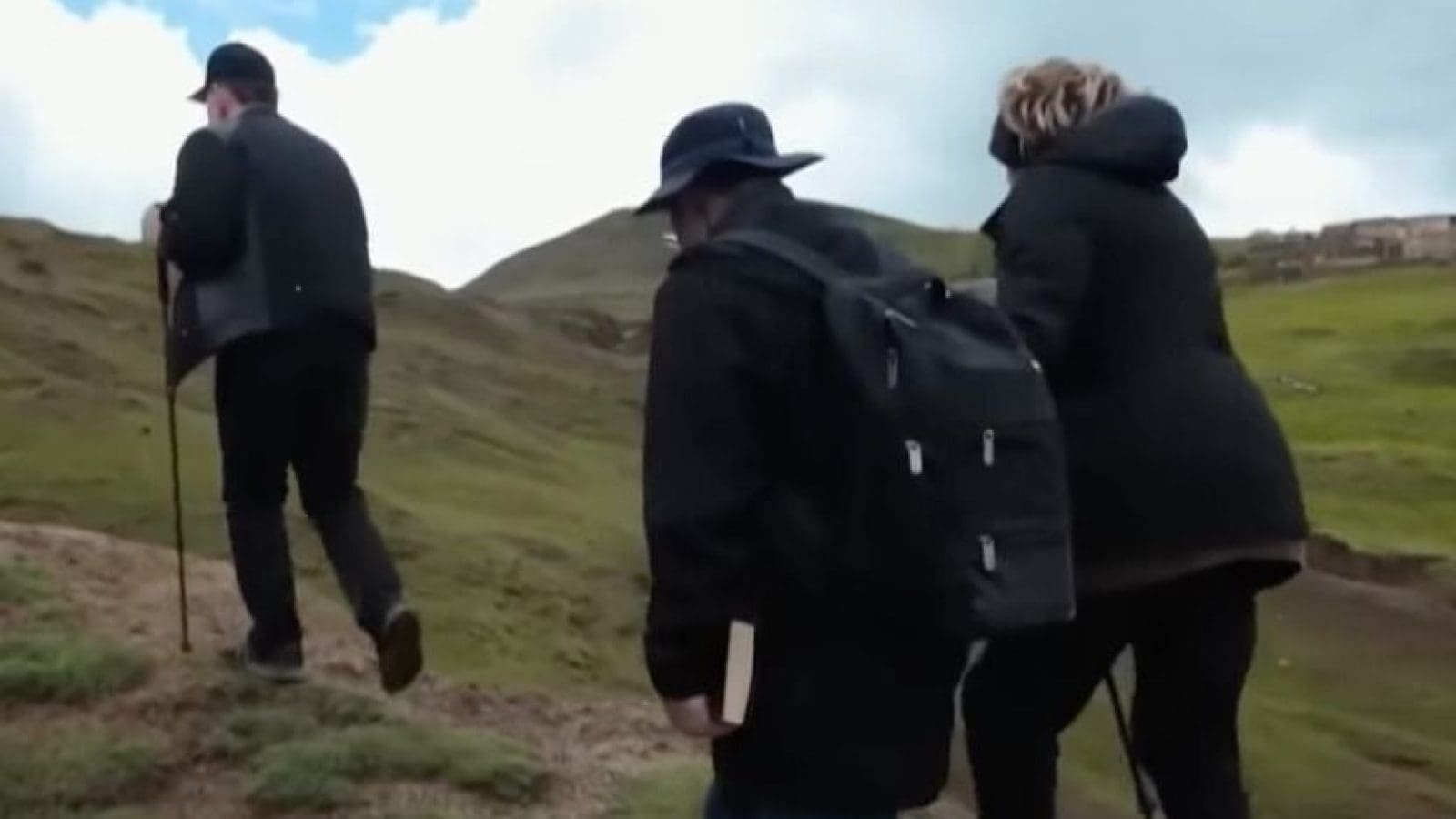
A group of researchers has claimed they are getting very close to identifying the possible remains of the Biblical Noah’s Ark.
International researchers have conducted new tests on soil samples in Eastern Turkey, which have led them to believe they have discovered the ark.
For several decades, there have been claims that Noah’s Ark was located in Durupinar, Turkey but no evidence has backed teh claims until now.
The group behind teh research, Noah’s Ark Scans, stated that the new soil samples “Provide compelling evidence of a unique, potentially man-made structure beneath the surface, distinct from the surrounding mudflow.”
“These findings suggest the presence of decayed wood or other organic materials, consistent with a large, ancient structure preserved within the mudflow,” added the group.
Gopher wood for 1000, Alex!
Bad news for the atheists!https://t.co/HnqURNr6IG
— Operation Heal America (@OperHealAmerica) May 26, 2025

JUST IN – US researchers claim to have cracked one of the Bible’s enduring mysteries — after using radar technology to map the possible remains of Noah’s Ark. — NYP pic.twitter.com/4f7VcgQVIk
— Insider Paper (@TheInsiderPaper) May 13, 2025
Check out what Fox News reported:
A group of international researchers say they’re getting closer and closer to identifying the possible remains of Noah’s Ark – and new test results are promising.
The focus of the research, the Durupinar site in eastern Turkey, was first identified in the 1950s.
For decades, it’s been speculated that the boat-shaped site once harbored Noah’s Ark, but no definitive proof has emerged. Now, an organization called Noah’s Ark Scans believes that recent soil samples point toward the site once housing “ancient wood.”
Researchers collected soil samples from the site last September and analyzed them through this winter. The results “show significantly higher levels of organic matter and potassium compared to surrounding areas,” according to a recent statement from the organization.
“[The results] provide compelling evidence of a unique, potentially man-made structure beneath the surface, distinct from the surrounding mudflow,” Noah’s Ark Scans said.
“These findings suggest the presence of decayed wood or other organic materials, consistent with a large, ancient structure preserved within the mudflow,” the statement added.
ADVERTISEMENTLead archaeological researcher Andrew Jones told Fox News Digital that researchers are registering 2.72 times more carbon inside the “boat-shaped object” compared to its immediate outside location.
Researchers find ‘compelling evidence’ of possible Noah’s Ark remains in one country
Noah’s Ark theory gains momentum as soil tests reveal organic remains
https://t.co/5h2QV1Iwio #FoxNews— Fearless45 (@Fearless45Trump) May 26, 2025
Watch here:

Join the conversation!
Please share your thoughts about this article below. We value your opinions, and would love to see you add to the discussion!