

President Trump just showed Iran what happens when it tests American resolve.
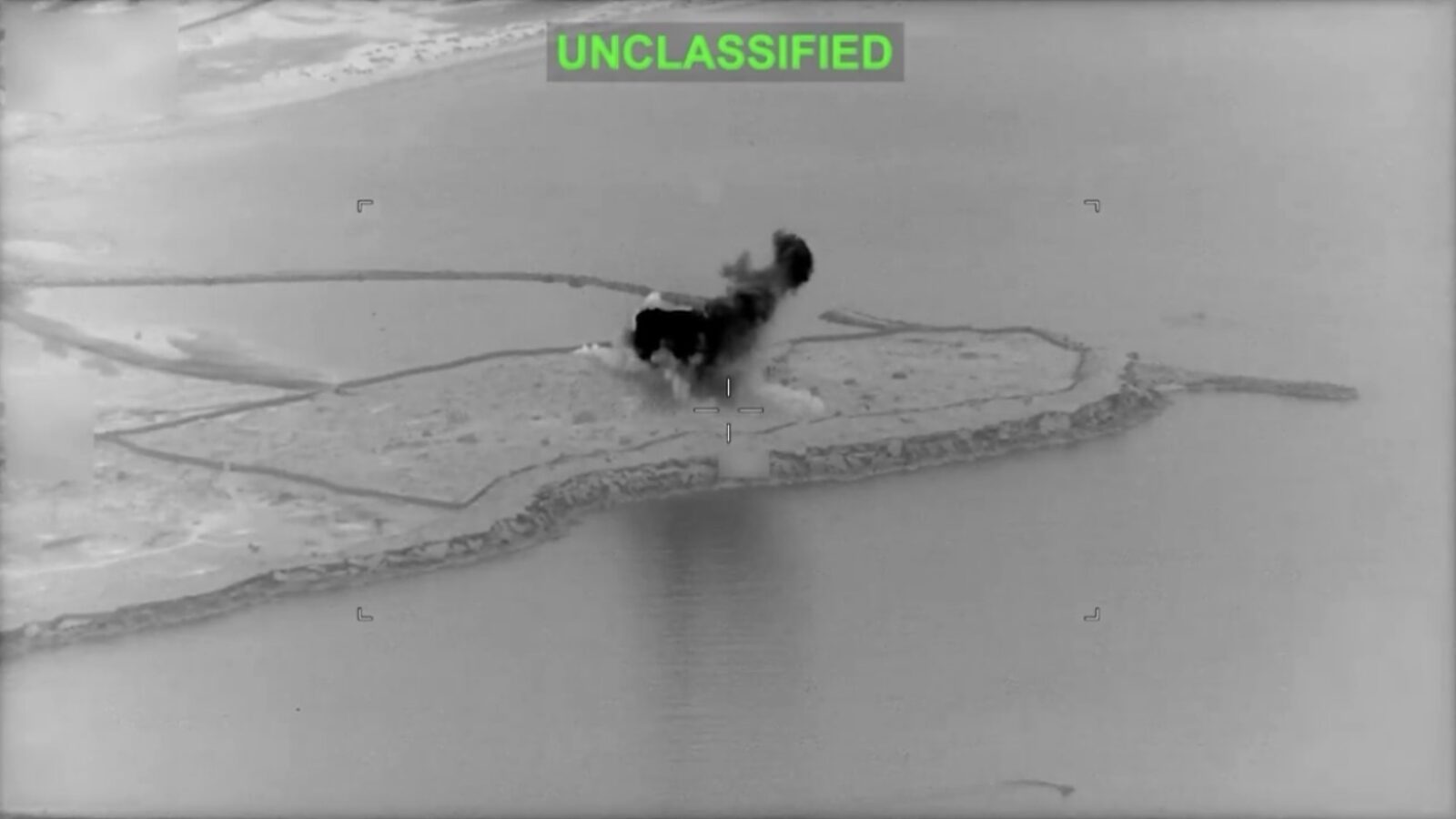
On July 7, 2026, U.S. Central Command announced that American forces had begun launching a series of powerful strikes against Iran.
This is breaking and still developing, and the message from Washington is unmistakable.
Iran attacked commercial ships in the Strait of Hormuz. The United States hit back hard.
🚨 NOW: President Trump is at his hotel in Turkey and CENTCOM is OBLITERATING IRAN with new strikes, in retaliation for the Iranians attacking ships in the Strait of Hormuz
These ships tried shipping products like oil in the Strait, got attacked, and Trump decided: ENOUGH! 🔥🔥… pic.twitter.com/uq7fKzcU0q
— Eric Daugherty (@EricLDaugh) July 7, 2026
The official word came straight from CENTCOM.
In its statement on X, U.S. Central Command said American forces had begun a series of powerful strikes against Iran to impose heavy costs for targeting and attacking commercial shipping crewed by innocent civilians in an international waterway.
CENTCOM said the strikes were a direct response to Iranian attacks on three commercial vessels.
And CENTCOM did not mince words about who broke the peace. It called Iran’s aggression unwarranted, dangerous, and a clear violation of the ceasefire.
U.S. Central Command forces have begun launching a series of powerful strikes against Iran to impose heavy costs for targeting and attacking commercial shipping crewed by innocent civilians in an international waterway. The U.S. strikes are in response to Iranian attacks on three…
— U.S. Central Command (@CENTCOM) July 7, 2026
This is what deterrence looks like in real time.
Iran tried to turn one of the world’s most important waterways into a shakedown lane, and President Trump refused to play along.
Axios reported that the U.S. military conducted airstrikes against Iranian military targets in the Strait of Hormuz area on Tuesday, tying the operation directly to renewed attacks on commercial ships.
A U.S. official told the outlet that the target set included Iranian air-defense systems, coastal surveillance systems, surface-to-air missiles, anti-ship cruise missile sites, drone-launch sites, and port facilities.
The target list reads like the operating kit for menacing ships: systems to track traffic, launch drones, fire missiles, and make the strait dangerous for civilian crews.
Axios also reported that Iran launched three separate attacks on commercial ships in the strait across Monday and Tuesday. The timing matters because the clash threatens the fragile MOU signed less than three weeks earlier, a framework that was supposed to restore safe passage through Hormuz and keep broader talks alive.
So the U.S. strike package appears aimed at the military machinery behind the shipping threat, not at a vague political message.
Iran signed a framework, then went right back to attacking tankers. The United States answered.
The regional picture makes Iran’s behavior even harder to defend.
The Guardian reported that CENTCOM said Tehran was in clear violation of the ceasefire after unwarranted attacks on commercial ships, and it placed the strikes inside a wider fight over who controls safe passage near Oman.
Qatar warned Iran that it would bear full legal responsibility after three tankers, including a Qatari LNG vessel, were struck within hours in the strait near Oman. The outlet reported that Iran has opposed the Oman-side corridor and argued for fees or control over routes through the waterway.
That is the pressure point: Iran wants leverage over traffic through one of the most important shipping corridors on earth, while commercial crews and energy markets need predictable passage.
Saudi Arabia condemned Iran’s targeting of the Saudi-flagged tanker Wedyan and the Qatari tanker Al Rekayyat, warning the attacks threatened international navigation and global energy supplies. Qatar also summoned Iran’s deputy ambassador to register its protest, underscoring how quickly the dispute moved from military confrontation to regional diplomatic fallout.
When Qatar and Saudi Arabia are both calling out Tehran, it is not America that is isolated here. It is Iran.
Fox News confirmed the operation to a national audience.
BREAKING: US launches strikes against Iran in response to Strait of Hormuz aggression.
— Fox News (@FoxNews) July 7, 2026
The military strikes are not the only pressure Iran is feeling today.
The Treasury Department’s Office of Foreign Assets Control also moved on the economic front. In its July 7 action, OFAC revoked Iran-related General License X and issued General License X1, replacing and superseding the June 21 authorization for the production, delivery, and sale of Iranian-origin crude oil, petrochemical products, and petroleum products.
The new license is not a fresh giveaway. It is a revocation and wind-down order, effective July 7, 2026, that moves away from the temporary oil-sale opening Iran had under the prior license.

That economic move fits the military response. Iran attacked shipping lanes tied to global energy flow, and the Trump administration moved to strip away the oil-sale window that had been part of the recent framework.
So Iran gets hit militarily and loses the oil leverage at the same time. That is coordinated pressure, and it sends the same message from two directions: stop threatening commercial shipping through Hormuz.
The core of this story is simple. Iran attacked civilian-crewed ships in an international waterway, and the United States imposed heavy costs for it.
President Trump made clear that the free flow of commerce through Hormuz is not up for negotiation with a regime that fires on tankers.
This remains a fast-moving situation, and more details will follow as CENTCOM and the administration release them. But the opening move is already clear, and Iran is the one absorbing it.

Join the conversation!
Please share your thoughts about this article below. We value your opinions, and would love to see you add to the discussion!