

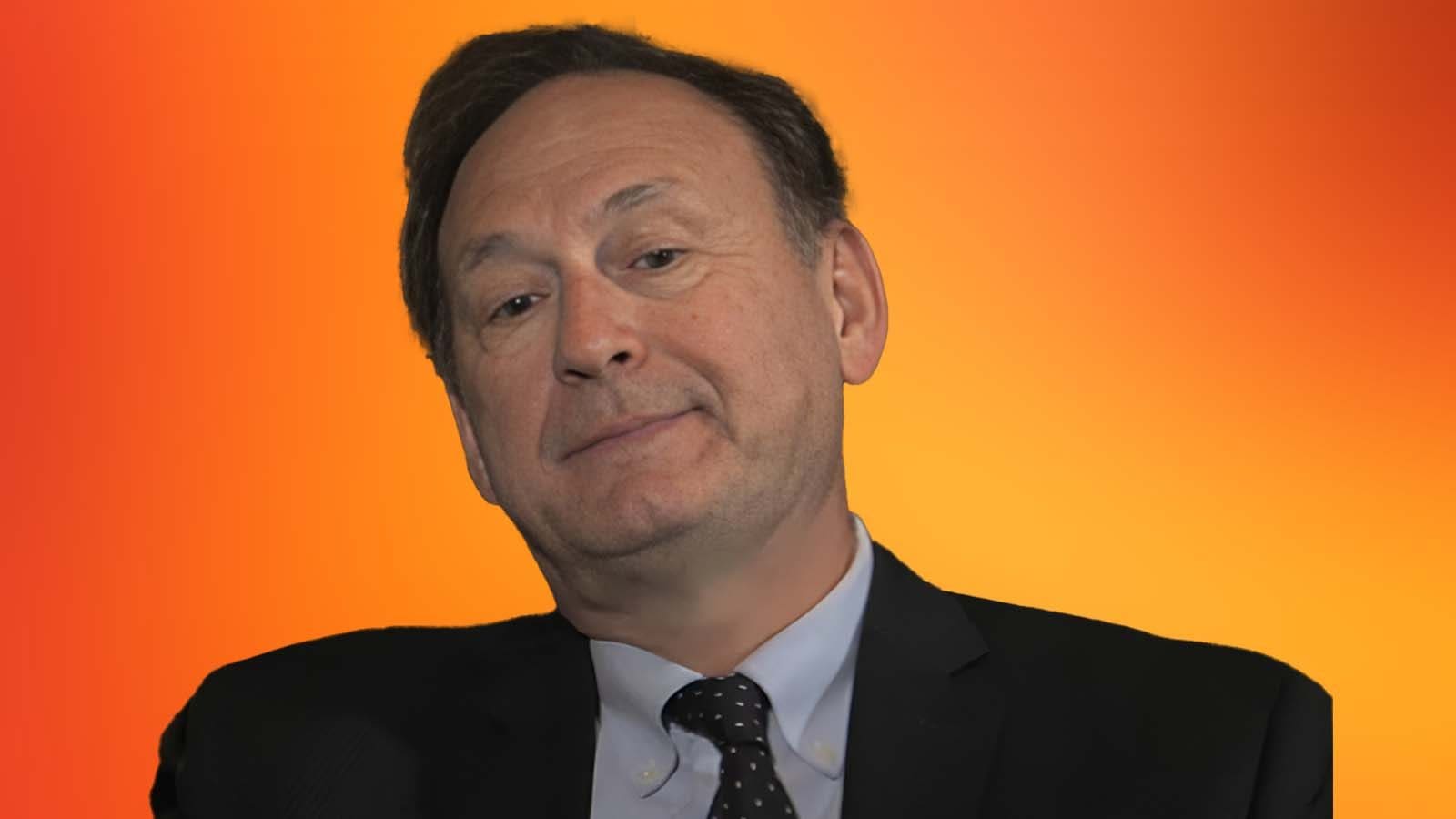
On June 30, 2026, NPR appeared to publish a story reporting that Supreme Court Justice Samuel Alito had retired.
There was one problem. It was not true.
No such announcement had been made by Justice Alito or by the Court, and the story vanished almost as fast as it went up.
NPR mistakenly published an article reporting the retirement of Justice Samuel Alito. No such announcement has been made by Justice Alito or the Court.
— SCOTUS Wire (@scotus_wire) June 30, 2026
That first correction was blunt: neither Justice Alito nor the Court had announced anything of the kind.
That is a big deal. Alito is one of the most consequential conservatives on the bench, and a real retirement would set off a confirmation fight overnight.
Instead, what readers got was a legacy newsroom briefly broadcasting a false claim about the makeup of the United States Supreme Court.
The KOSU page that carried the NPR content now tells the story all by itself.
The headline now reads: Editor’s note: NPR retracts story, replacing what had briefly been a retirement report about one of the most important conservative justices on the Court.
The page is marked NPR by NPR Staff and the reader capture shows a June 30, 2026 publication timestamp, which matters because this was not an old archive item suddenly rediscovered online. It was a same-day national news mistake, pushed under the NPR banner, and then pulled back in public view.
The share links on the same KOSU page point readers to a cleaner retraction address, which is the strongest public marker of what happened after the original claim collapsed. The page no longer functions as a normal retirement report; it functions as the correction record for a story that should not have gone out.
So the live evidence is simple: NPR’s local affiliate page now stands as a retraction for a retirement announcement that Justice Alito and the Supreme Court never made.
Oh boy. NPR reported that Justice Alito was retiring, then retracted it 10 minutes later, saying it was “published in error.” pic.twitter.com/ljqd9udn9a
— Bill Melugin (@BillMelugin_) June 30, 2026
By the timeline laid out in that post, NPR reported Alito was retiring and then retracted it roughly ten minutes later, calling it published in error.
Ten minutes is not nothing on a story this size. That is enough time for the claim to get screenshotted, shared, and pushed into feeds before any correction catches up.
🚨 BREAKING: NPR Forced to Retract Alito Retirement Story
NPR just walked back their premature claim that Justice Samuel Alito is retiring.
Another example of legacy media rushing a narrative that doesn’t hold up.
Alito remains on the Court. https://t.co/UjBrw0eDyY pic.twitter.com/CW7UVkTts6
— Paul A. Szypula 🇺🇸 (@Bubblebathgirl) June 30, 2026
The official record is not in dispute.
The Supreme Court current-members page lists Samuel Alito as an Associate Justice and notes that he took his seat on January 31, 2006.
That same official roster makes the distinction obvious when a justice has actually left active service. Anthony Kennedy and Stephen Breyer, for example, are listed separately with the word Retired attached to their names.
Alito carries no such tag. He is listed plainly as an Associate Justice, sitting on the bench alongside Chief Justice John Roberts and the other current members.
That is why the official page is the cleanest public reference point here: no retirement notice, no status change, and no Court announcement matching NPR’s brief claim. It is the Court’s own roster, not a screenshot, rumor, or social media interpretation.
For readers trying to sort fact from whiplash, that distinction matters. A real Alito retirement would reshape the Court instantly, while the official record still shows him exactly where he has been since 2006.
The lesson here is simple. A consequential claim about the highest court in the country went out under a trusted national banner with no official announcement behind it, and the only thing that fixed it was a fast retraction.
Justice Alito has not retired. The Court’s own page says so, and the newsroom that said otherwise had to take it back.

Join the conversation!
Please share your thoughts about this article below. We value your opinions, and would love to see you add to the discussion!