

The left has been up in arms over the recent decision to end “temporary protected status” immigration exemptions for individuals from Syria and Haiti.
But when talking heads like CNN’s Jake Tapper begin to make the left’s argument, the Trump administration is ready with a dose of reality.
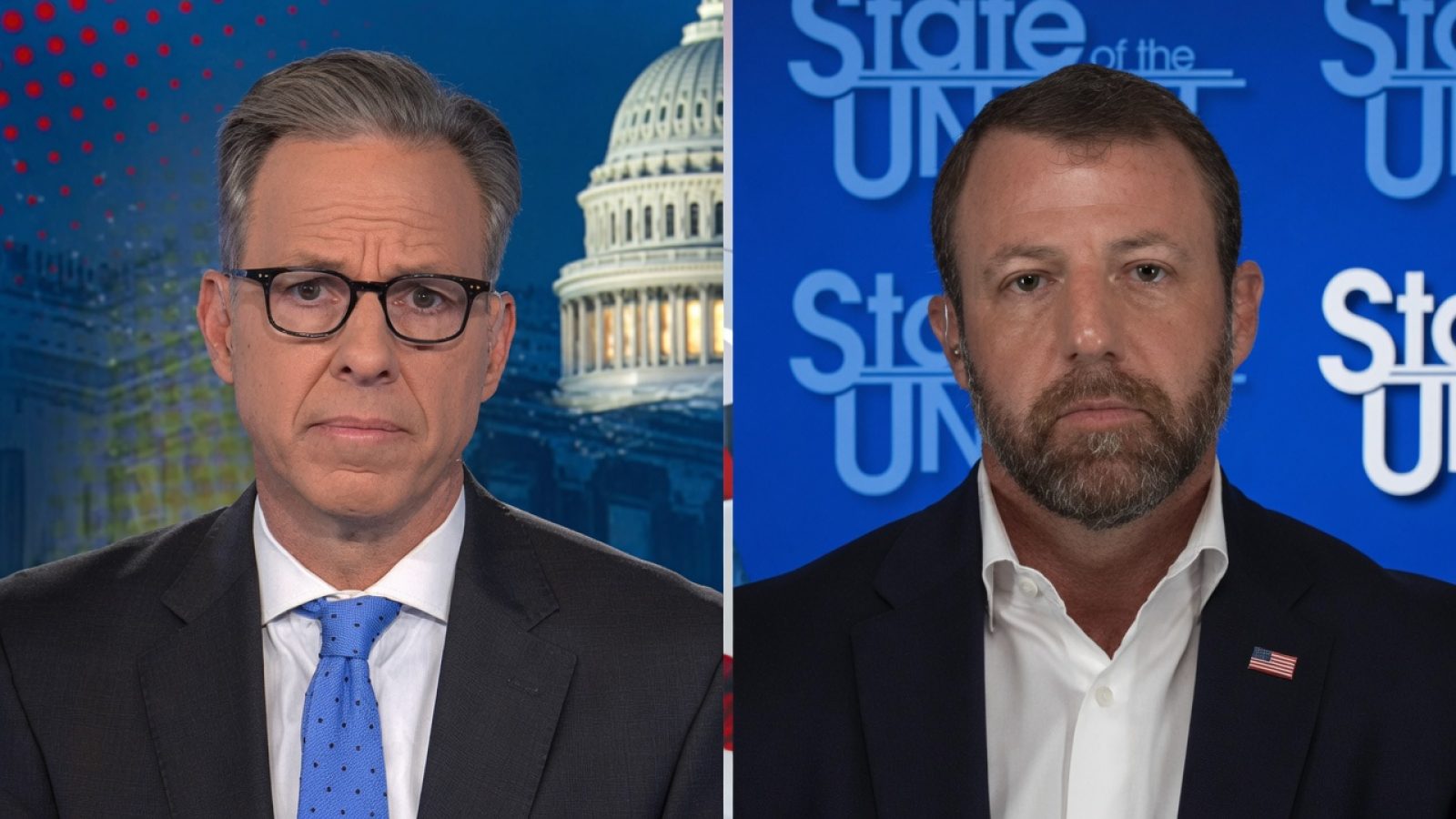
That was evident this weekend during Homeland Security Secretary Markwayne Mullin’s appearance on CNN’s “State of the Union.”
As the Daily Caller reported, his simple argument hinged on the definition of the word “temporary”:
“[F]irst of all, Temporary Protective Status was never intended to be permanent,” Mullin told Tapper. “And there’s a lot of people that came over here 15, 20 years ago underneath TPS that’s [sic] already changed their status. The whole time these individuals have been here underneath the Temporary Protected Status, they could have applied for a visa. They could have applied for LPR [Lawful Permanent Resident status]. They could have applied for different directions. But the status itself can be ended in its name itself by saying ‘Temporary.’”
“So, these individuals have a couple of choices: they can try to apply for a permanent residence here, they can apply for a temporary visa if they choose to, or they can choose to go back,” Mullin continued. “And if they want to go back, we will help them with that.”
President George H.W. Bush signed the Immigration Act of 1990 into law, creating TPS in November 1990. TPS was intended for situations involving war or natural disasters where the home countries of illegal immigrants were considered too dangerous for deportation, according to the United States Citizenship and Immigration Services website. Following a devastating earthquake in Haiti in 2010, the Obama administration granted Haitians TPS.
An apparently confused Tapper kept pressing Mullin over the end of TPS.
“If I was talking directly to the individuals with the Temporary Protected Status: either try to fill out the paperwork and be here underneath a permanent status, or we will help you get back to your country,” Mullin said. “We will actually give you a plane ticket, plus roughly $2,100, to help you re-establish when you get there. But Temporary Protected Status, according to the courts and in its name itself, is not permanent status.”
The CNN host continued pushing back by noting that both nations still have their problems, as if the solution would be to import everyone from troubled regions of the world.
But many social media users were similarly focused on what the “T” in “TPS” stands for:
Read it twice if you need to… pic.twitter.com/WUxIBSYEDb
— M Shea 76 (@WhiskeyBentMN) June 29, 2026
Jake Tapper keeps missing the point on Haiti.
The country isn't dangerous by magic, it's dangerous because of the predictable patterns of the people who live there.
Importing those patterns doesn't fix Haiti. It imports the danger here.
The media has been on the wrong side…
— Gregory K Bovino (@GregoryKBovino) June 29, 2026
Here’s the full text from the post above:
Jake Tapper keeps missing the point on Haiti.
The country isn’t dangerous by magic, it’s dangerous because of the predictable patterns of the people who live there.
Importing those patterns doesn’t fix Haiti. It imports the danger here.
The media has been on the wrong side of American interests for years, pushing policies that put us last.
Why does Tapper fight so hard to keep them in America unless he wants to put Americans in jeopardy?
Temporary Protected Status means temporary.
Time for mass removal. Send them home.
ADVERTISEMENTProtect America first.
Deport. Deport. Deport.
Mediaite also covered the exchange:
“The reason I ask is because I heard Stephen Miller, who is driving a lot of this, say that Haiti is safe for Haitians,” Tapper said. “And I just looked at the State Department’s website, and they have a level four do not travel advisory for Haiti just from a few months ago, from April, and it says, ‘Violent crime is rampant. The expansion of gang organized crime and terrorist activity has led to widespread violence. Crimes involving firearms are common. Crimes include robbery, carjacking, sexual assault and kidnappings for ransom.’ That doesn’t sound safe to me.”
ADVERTISEMENT“Well, that do not travel is not for Haitians,” Mullin said. “That’s do not travel for the United States, because they are kidnapping or trying to kidnap individuals from the United States because they feel like their family has the money to pay the ransom.”
“I understand that,” Tapper said in reply. “But based on everything I have read, including the U.N. and Human Rights Watch, it doesn’t sound safe for Haitians. More than 8,100 killings documented last year, those weren’t Americans. Haiti is among the top five countries with the highest rates of rape and sexual abuse, with more than 1,200 cases of sexual violence last year. That’s not Americans; 1.4 million people have been displaced. Those aren’t Americans.”
Mullin paused a beat and said, “Is there a question in that?”
Here’s the full interview:
What are your thoughts?


Join the conversation!
Please share your thoughts about this article below. We value your opinions, and would love to see you add to the discussion!