

President Trump announced Saturday that an agreement between the United States, Iran, and several regional partners has been “largely negotiated, subject to finalization.”
The statement, released through the White House, identifies the reopening of the Strait of Hormuz as a key provision of the emerging deal and names multiple countries as parties to the broader framework.
If finalized, it would mark one of the most significant diplomatic developments of Trump’s presidency and a dramatic turn in a conflict that has roiled global energy markets for months.
The announcement comes after 84 days of intensifying pressure on Tehran, during which the Trump administration paired crippling sanctions enforcement with direct and indirect diplomacy across the Middle East.
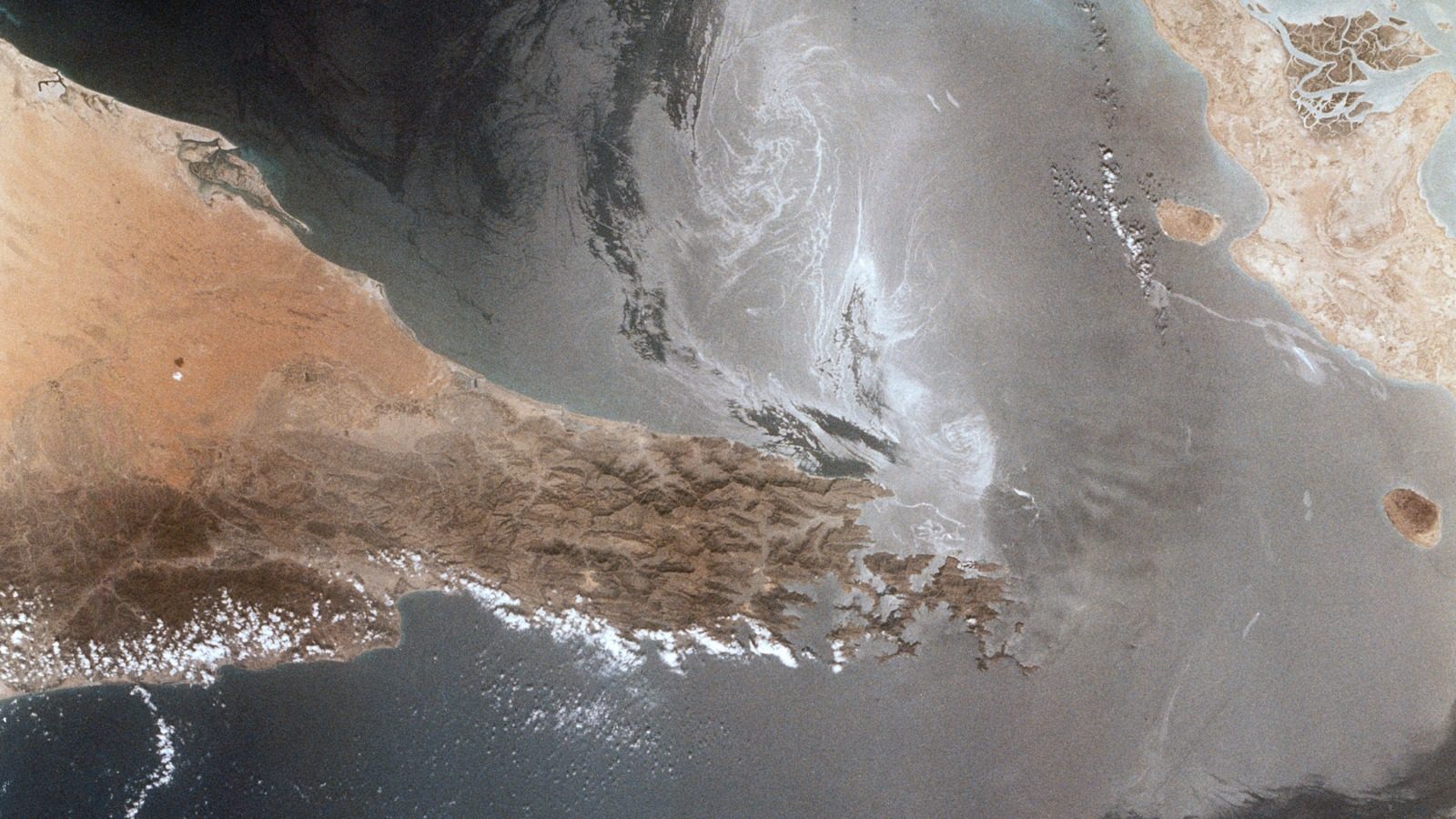
The Strait of Hormuz, the narrow waterway through which roughly one-fifth of the world’s oil supply passes daily, has been at the center of the standoff.
Secretary of State Marco Rubio laid the groundwork for these negotiations just one day earlier, warning that any Iranian attempt to impose a tolling system on the Strait would set a dangerous precedent worldwide.
Rubio’s framing was deliberate. By connecting freedom of navigation in the Strait to the interests of Indo-Pacific nations and global commerce, the administration built a multilateral case for why Iran could not be allowed to weaponize the waterway.
That pressure appears to have moved the needle.
The deal is not done. That distinction matters, and Trump’s own language makes it clear.
“Largely negotiated, subject to finalization” is a precise phrase. It signals significant progress while leaving room for the hardest parts of the negotiation, which are almost certainly still ahead.
The critical unresolved questions center on Iran’s nuclear program, enriched uranium, and whether Tehran will actually comply with the final terms.
Iranian compliance is the other open question. Tehran’s track record of cheating on international agreements is long and well-documented.
That is why the final text, not the announcement alone, will matter.
What Trump has accomplished so far is real. He took a regime that thumbed its nose at the international community for years, applied sustained economic and military pressure, and brought it to the negotiating table under terms favorable to the United States and its allies.
The Strait of Hormuz provision alone, if it holds, would be a tangible win for global energy security and a direct rebuke to Iran’s strategy of maritime coercion.
But the finish line is not the same as the starting line. The nuclear terms and enforcement mechanisms that emerge in the final text will determine whether this becomes a landmark achievement or another piece of paper Tehran ignores.
The next days and weeks will tell the story. For now, this is maximum pressure diplomacy producing results, exactly as Trump said it would.
The White House put the President’s announcement in plain terms:
🚨 "An Agreement has been largely negotiated, subject to finalization between the United States of America, the Islamic Republic of Iran, and the various other Countries, as listed…" – President Donald J. Trump pic.twitter.com/Z49bOkkUoh
— The White House (@WhiteHouse) May 23, 2026
International outlets quickly picked up the same core point: the Strait of Hormuz is at the center of the proposed framework.
US President Donald Trump says a proposed peace deal with Iran is 'largely negotiated' and awaiting finalisation. Trump said the agreement includes reopening the Strait of Hormuz and follows discussions with leaders across West Asia. pic.twitter.com/8EBBELO5Ys
— Firstpost (@firstpost) May 24, 2026
The White House and Fox News laid out the main Trump announcement this way:
The White House amplified President Trump’s statement that an agreement has been largely negotiated, subject to finalization, between the United States, Iran, and the other countries involved.
The statement followed what President Trump described as a very good call with leaders from Saudi Arabia, the United Arab Emirates, Qatar, Pakistan, Turkiye, Egypt, Jordan, and Bahrain.
ADVERTISEMENTPresident Trump also said a separate call with Israeli Prime Minister Benjamin Netanyahu went very well.
The President said final aspects and details are still being discussed and will be announced shortly.
The concrete provision with global consequences is the Strait of Hormuz.
Opening the Strait is a key element of the deal, and that turns the story from routine diplomatic language into a global energy story.
ADVERTISEMENTA regional diplomat told Fox News the discussions were very positive and that regional leaders were highly supportive of the breakthrough President Trump achieved through the talks.
The sequence is the point: pressure first, regional coalition second, then a deal Iran now has to finalize under public scrutiny.
The State Department and Fox News show why the Strait of Hormuz issue matters far beyond one regional deal:
Secretary of State Marco Rubio warned that if Iran creates a tolling system in the Strait of Hormuz, the same model could spread to other critical waterways around the world.
Rubio said the Strait is vital to every country represented in the discussion, and especially to the Indo-Pacific.
That is why the Hormuz piece is not a side issue.
The Strait is one of the world’s most important energy chokepoints, and any Iranian attempt to turn it into a toll road would put pressure on shipping, oil markets, and American allies.
Any resolution would require Iran to keep the Strait of Hormuz open without tolls.
ADVERTISEMENTRubio also emphasized that Iran must surrender its enriched uranium, keeping the nuclear issue at the center of any real deal.
That gives the Trump administration a clear line: diplomacy can move forward, but Iran does not get rewarded for keeping leverage over global energy or nuclear weapons material.
It also keeps the story from becoming a ceremonial peace announcement before the hardest enforcement terms are nailed down.
Al-Monitor and Fox News live updates added the caution and next-step details:
Al-Monitor reported the United States and Iran sought on Sunday to finalize an agreement after President Trump said a proposal including the opening of the blockaded Strait of Hormuz was largely negotiated.
The deal remains subject to finalization, and Iranian officials have indicated that gaps still exist.
Al-Monitor reported that Pakistan hoped to host another round of talks soon, with Prime Minister Shehbaz Sharif saying the call offered a useful chance to move peace efforts forward.
The same report said Iranian officials were still separating the initial framework from the harder nuclear-program dispute.
Fox News live updates reported a regional source said U.S. forces would remain near Iran for 30 days under the deal being discussed.
The same update said Iran would receive oil sanctions waivers and access to frozen funds and assets worth billions of dollars.
Fox News also reported Israel pressed to preserve freedom of action against Hezbollah in Lebanon, while President Trump stood firm on dismantling Iran’s nuclear program and removing enriched uranium.

Join the conversation!
Please share your thoughts about this article below. We value your opinions, and would love to see you add to the discussion!