

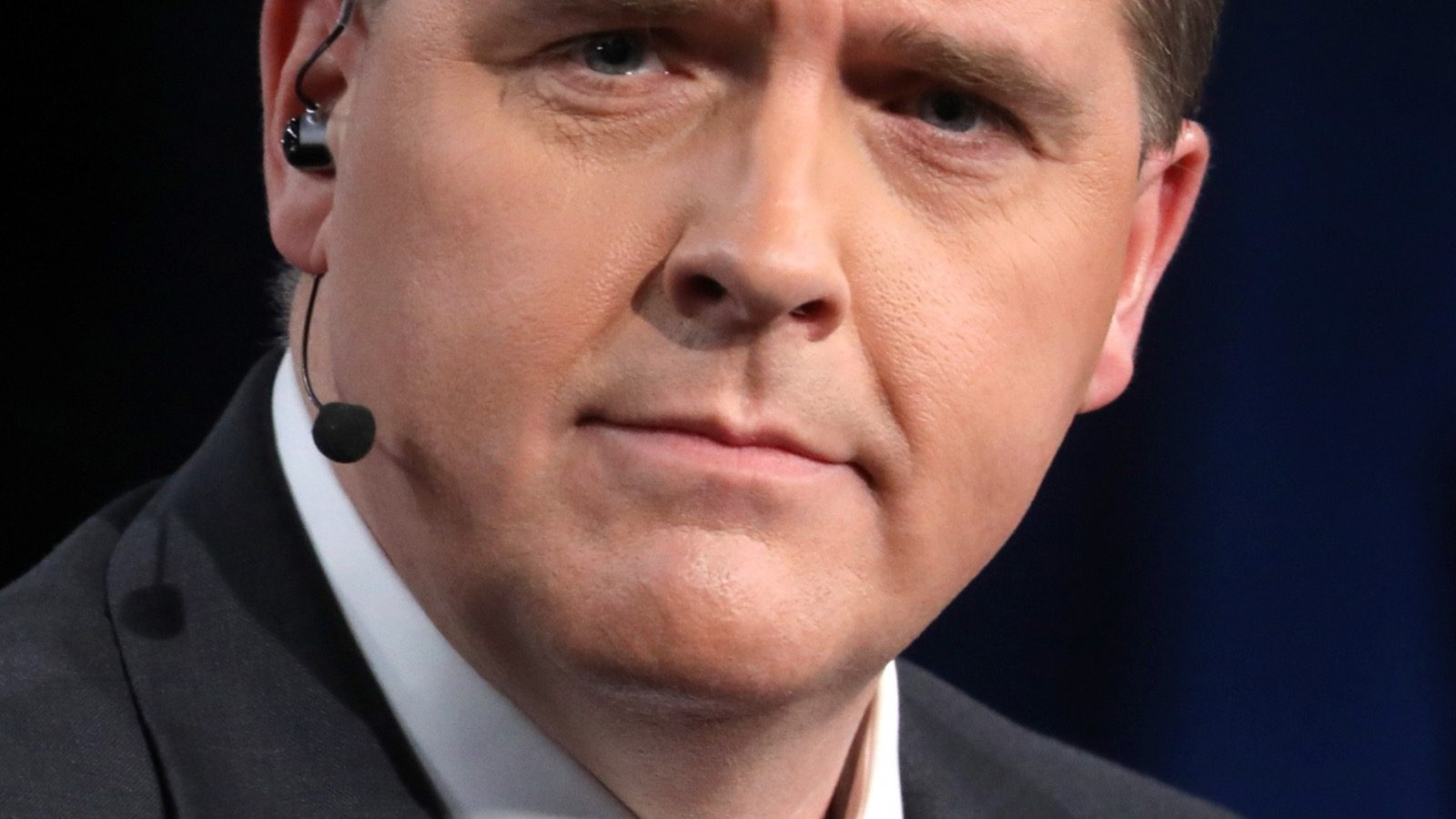
Scott Jennings says he got a direct briefing from a senior President Trump administration official on the status of the Iran negotiations, and he’s now sharing what he learned.
The bottom line: the United States is not giving Iran anything upfront. No money, no sanctions relief, nothing until Iran delivers first.
Jennings, the CNN political commentator and longtime Republican strategist, laid out the framework he says was described to him by a person briefed on the negotiations.
The key terms he reported are striking in their simplicity and their demands on Tehran.
First, the deal is structured in two phases. Phase one centers on reopening the Strait of Hormuz and getting Iran to agree to give up enriched uranium.
Phase two, according to Jennings’ account, is where the nuclear material is actually turned over before sanctions relief follows.
That sequencing matters. It means Iran bears all the risk at the front end, and the United States retains all the leverage until verified compliance occurs.
Jennings also emphasized that the deal is close but not done. That distinction is important because earlier in the day, President Trump told reporters the agreement was “largely negotiated” and awaiting finalization.
Trump’s comments came after a whirlwind diplomatic tour through the Middle East that included conversations with leaders across the region.
According to Fox News, Trump said the proposed deal includes the reopening of the Strait of Hormuz, a critical global shipping lane that Iran has used as a pressure point for decades.
The Jennings thread adds a layer of behind-the-scenes detail that wasn’t part of the earlier public reporting. It directly counters speculation from critics and hostile media voices who assumed the administration would offer sanctions relief or cash payments to get Iran to the table.
According to what Jennings says he was told, that is flatly not the case.
The structure Jennings described is consistent with the way the Trump team has approached leverage throughout this process. Iran acts first. Iran gives up the goods first. Only then does anything flow in the other direction.
If the deal closes on those terms, it would represent a fundamentally different approach from the old Iran-deal model conservatives spent years warning about.
Jennings was careful to note the deal is not finalized.
If the framework he described holds, it is exactly the kind of leverage-first arrangement Trump’s supporters have been demanding from day one.
Jennings put the new behind-the-scenes account directly in front of his audience:
After receiving a briefing from a Senior TRUMP Administration Official on the status of the Iran negotiations, I can tell you the following:
-USA IS NOT GIVING IRANIANS MONEY FOR NOTHING. All speculation and propaganda to the…
— Scott Jennings (@ScottJenningsKY) May 24, 2026
The broader public framework was already being reported this way:
President Trump says a proposed peace deal with Iran is ‘largely negotiated’ and awaiting finalisation. Trump said the agreement includes reopening the Strait of Hormuz and follows discussions with leaders across West Asia.
— Firstpost (@firstpost) May 24, 2026
Axios has since filled in more of the senior-official timing and leverage picture:
The White House does not expect an Iran agreement to be completed Sunday and believes approval by Iran’s leadership could take several more days.
A senior U.S. official described the talks as being in a very good place while still warning that the deal could be undermined.
President Trump told his representatives not to rush the deal and said the U.S. naval blockade would remain in full force until an agreement is reached, certified, and signed.
ADVERTISEMENTThe senior official said there is still back and forth on specific details and that Iran’s slow, opaque decision-making system could delay the process.
The broad template has been endorsed by Iran’s supreme leader, but whether that becomes an actual agreement remains open.
The key line for conservatives is the leverage principle: no highly enriched uranium given up means no relief.
The same official said there would be no immediate unfreezing of funds.
ADVERTISEMENTThat tracks directly with Jennings’ warning that the United States is not handing Tehran money before Iran delivers.
It also explains why the timing may stretch even while the administration sounds confident about the broad framework.
Axios also detailed the draft structure around Hormuz, sanctions, and nuclear material:
The draft agreement involves a 60-day ceasefire extension during which the Strait of Hormuz would reopen, Iran would be able to sell oil freely, and talks would continue on curbing Iran’s nuclear program.
Both sides would sign a memorandum of understanding that could be extended by mutual consent.
During the 60-day period, Hormuz would be open with no tolls and Iran would clear mines so ships can pass freely.
The United States would lift its blockade on Iranian ports and issue limited sanctions waivers tied to oil sales.
The Trump team’s core principle is relief for performance.
ADVERTISEMENTIran wanted immediate unfrozen funds and permanent sanctions relief, but the U.S. position is that those steps happen only after tangible concessions.
The nuclear side remains the hardest part.
Iran would commit to negotiate over suspension of uranium enrichment and removal of its highly enriched uranium stockpile, with implementation tied to a final verified agreement.
That keeps the immediate Hormuz relief separate from the final nuclear bargain.
It also gives Washington leverage if Iran reopens shipping but then stalls on the nuclear material.
Fox News added the key policy context around Hormuz and enriched uranium:
President Trump said the agreement was largely negotiated after calls with regional leaders.
A key provision involves opening the Strait of Hormuz.
That is the energy-market piece of the story because Hormuz is one of the world’s most important shipping chokepoints.
Secretary Rubio emphasized that Iran must keep the Strait of Hormuz open without tolls.
Rubio also said Iran must surrender enriched uranium.
That context tracks with Jennings’ two-step description: reopen Hormuz first, then get the nuclear material turned over before sanctions relief.
ADVERTISEMENTThe deal remained subject to finalization, which is the same caution Jennings included.
So the emerging picture is a pressure-and-verification framework that still has to survive the final bargaining.
If Iran delivers, President Trump can claim a diplomatic breakthrough that also protects global shipping and keeps the nuclear question on the table.
If Iran stalls, the administration is still signaling that Tehran gets no reward for delay.
That is the central distinction Trump allies are trying to drive home as critics warn about another weak Iran deal.
What’s your view on this?

Join the conversation!
Please share your thoughts about this article below. We value your opinions, and would love to see you add to the discussion!