

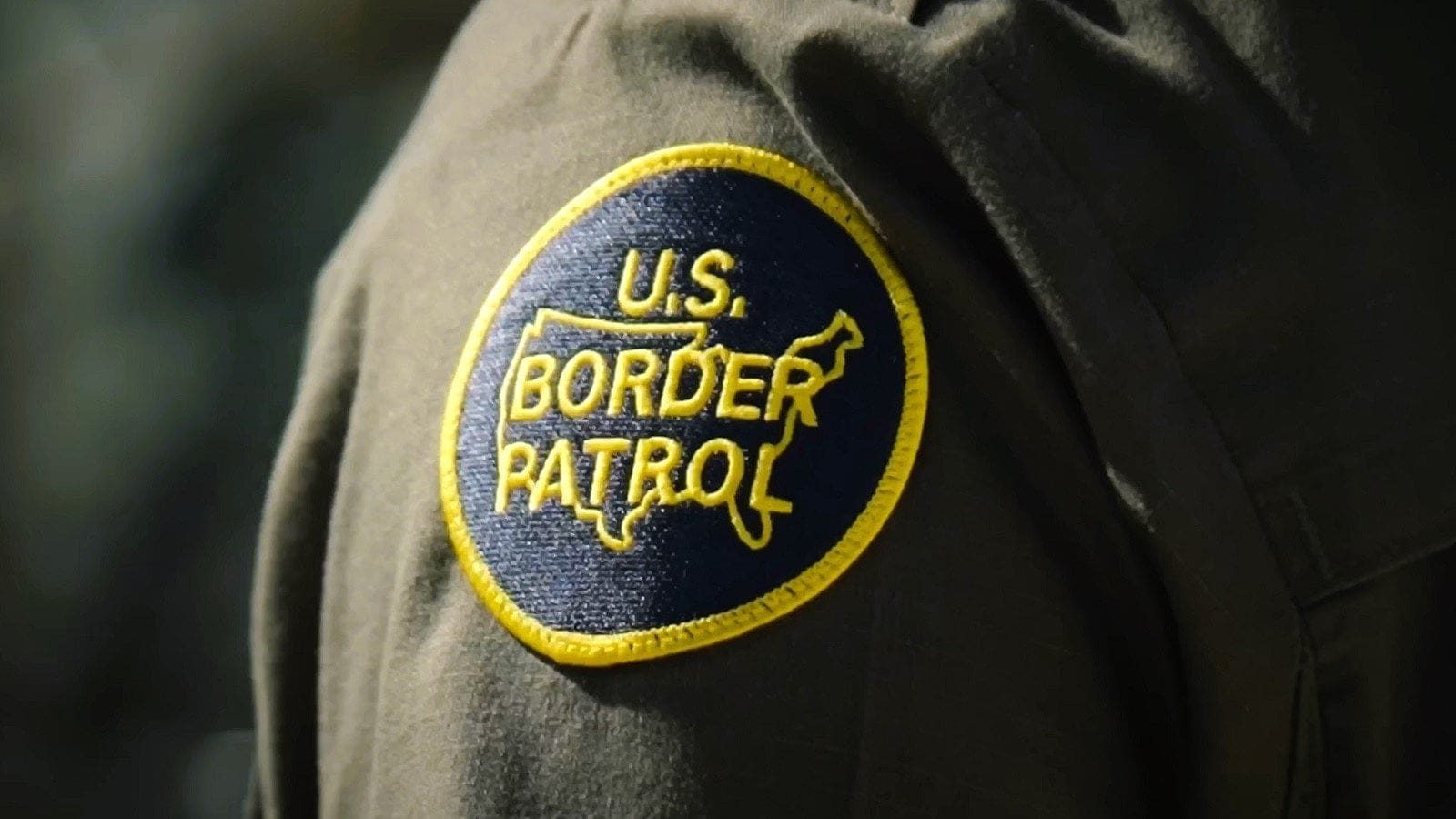
President Trump’s Department of Justice just put four blue states on notice: stop blocking undercover license plates for federal law-enforcement agencies, or get ready for court.
The letters went to Maine, Massachusetts, Oregon, and Washington.
The issue sounds technical until you realize what it actually means.
These states are making it harder for ICE, Homeland Security Investigations, Customs and Border Protection, and other federal officers to safely use vehicles that do not immediately scream “federal law enforcement” to every suspect, trafficker, gang member, fugitive, and anti-ICE activist watching them.
Fox News flagged the deadline Friday:
DOJ puts blue states on notice as ICE fight barrels toward next constitutional showdown | Robert Schmad, Fox News
The Justice Department is threatening to sue four Democratic-led states for denying undercover license plates to Immigration and Customs Enforcement agents, opening… pic.twitter.com/bqEstNBzpy
— Owen Gregorian (@OwenGregorian) May 22, 2026
The states were given until May 22, 2026 to provide written assurance that federal law enforcement can obtain undercover plates on equal terms with state and local agencies.
If state troopers and local detectives can get confidential plates, the left does not get to single out ICE and say no just because President Trump’s immigration agenda offends them.
The Justice Department listed the four letters this way:
DOJ’s public document index shows four May 12 letters from Assistant Attorney General Brett Shumate to officials in Maine, Massachusetts, Oregon, and Washington. Each letter concerns state restrictions on undercover license plates for federal law-enforcement vehicles.
The letters target policies that either refuse plates outright or require federal agencies to certify that the vehicles will not be used for civil immigration enforcement. DOJ says those restrictions treat federal agencies differently from similarly situated state and local law-enforcement agencies that can obtain undercover plates without the same anti-ICE condition.
The legal argument is rooted in the Supremacy Clause and intergovernmental immunity. In plain English, DOJ is saying a state cannot hand a law-enforcement tool to its own agencies while discriminating against the federal government because it dislikes federal immigration enforcement.
The constitutional fight matters. The officer-safety stakes are even more direct.
Federal agents use undercover vehicles for serious cases involving drug trafficking, weapons trafficking, human trafficking, terrorism, fraud, fugitives, missing children, dignitary protection, covert surveillance, and undercover operations.
That is the part blue-state politicians want everyone to ignore.
When they deny these plates, they are not striking a blow for democracy. They are making it easier for criminals to spot federal officers before an operation even starts.
The DOJ letter to Maine spelled out the danger:
DOJ warned that if federal law-enforcement vehicles are easily identifiable through a government plate or through registration information that can be exposed, officers, their families, and people under federal protection can all be put at risk.
The letter says suspects can be alerted to an officer’s presence, flee, destroy evidence, or take countermeasures that make arrests more dangerous for everyone involved. It also warns that protected people can be endangered and that federal officers are already operating in an environment of threats, doxing, harassment, and targeted hostility.
Shumate asked Maine to immediately rescind its policy and return to issuing undercover plates to all federal law-enforcement agencies, including Homeland Security Investigations, Immigration and Customs Enforcement, and Customs and Border Protection. He requested written assurance by May 22 that federal law enforcement could again obtain plates on equal terms. The request was simple: stop applying a special anti-federal condition that state and local agencies do not face.
Maine Secretary of State Shenna Bellows did not exactly sound worried.
She publicly dismissed the DOJ’s position and said ICE was not getting undercover plates in Maine.
The Maine Wire reported her response and the local fight:
Bellows called the DOJ threat absurd and said President Trump’s DOJ did not scare her. She said Maine does not have secret police in a democracy and defended the refusal to provide undercover plates to ICE, even as federal officials argued the policy singles out federal agencies.
DOJ’s position is that Maine’s Bureau of Motor Vehicles policy violates the Supremacy Clause by conditioning federal access to undercover plates on a promise that the vehicles will not be used for civil immigration enforcement, while state and local agencies are not forced to make the same certification.
Federal officials demanded that Maine resume issuing undercover plates to federal agencies including HSI, ICE, and CBP, and the May 22 deadline was the point by which the state needed to confirm the policy had been rescinded or risk further federal action. In other words, this is a direct clash between state-level immigration politics and federal law-enforcement authority.
Massachusetts is playing the same game.
Governor Maura Healey’s office has made clear the state does not want to help ICE operate in secret.
WBUR reported the Massachusetts stance:
Massachusetts would not change its Registry of Motor Vehicles policy despite federal pressure from the Trump administration. The governor’s office said the state was not going to allow state resources to help ICE operate in secret while, in its view, the agency was violating people’s rights.
Assistant Attorney General Brett Shumate warned Massachusetts that the policy discriminates against ICE because the RMV does not impose the same certification requirement on other federal, state, and local agencies. Shumate called the policy dangerous and warned that ICE officers could be tracked to their homes or that suspects could avoid arrest.
Shumate gave Healey the same May 22 deadline to rescind the policy, or else the Trump administration intended to seek judicial relief. That turns the issue from a state motor-vehicle dispute into a direct federalism showdown over whether a blue state can burden federal immigration enforcement.
Oregon and Washington are also on the list.
Oregon officials have said they are reviewing a pause on undercover plates for federal agencies, but the point remains: blue states are using state systems as leverage against federal immigration enforcement.
That is the real story.
They can call it oversight or transparency. They can dress it up however they want.
But when the practical effect is making federal agents easier to identify, easier to track, and easier to target, the mask comes off fast.
No lawsuit had been filed as of the deadline reporting.
But if these states refuse to back down, DOJ should make them defend this stunt in federal court.
Let Maine, Massachusetts, Oregon, and Washington explain to a judge why their anti-ICE politics should outrank the safety of federal officers and the integrity of investigations into trafficking, terrorism, drugs, fraud, fugitives, and missing children.
That is the fight President Trump’s DOJ appears ready to have.
This is a Guest Post from our friends over at 100 Percent Fed Up. View the original article here.

Join the conversation!
Please share your thoughts about this article below. We value your opinions, and would love to see you add to the discussion!