

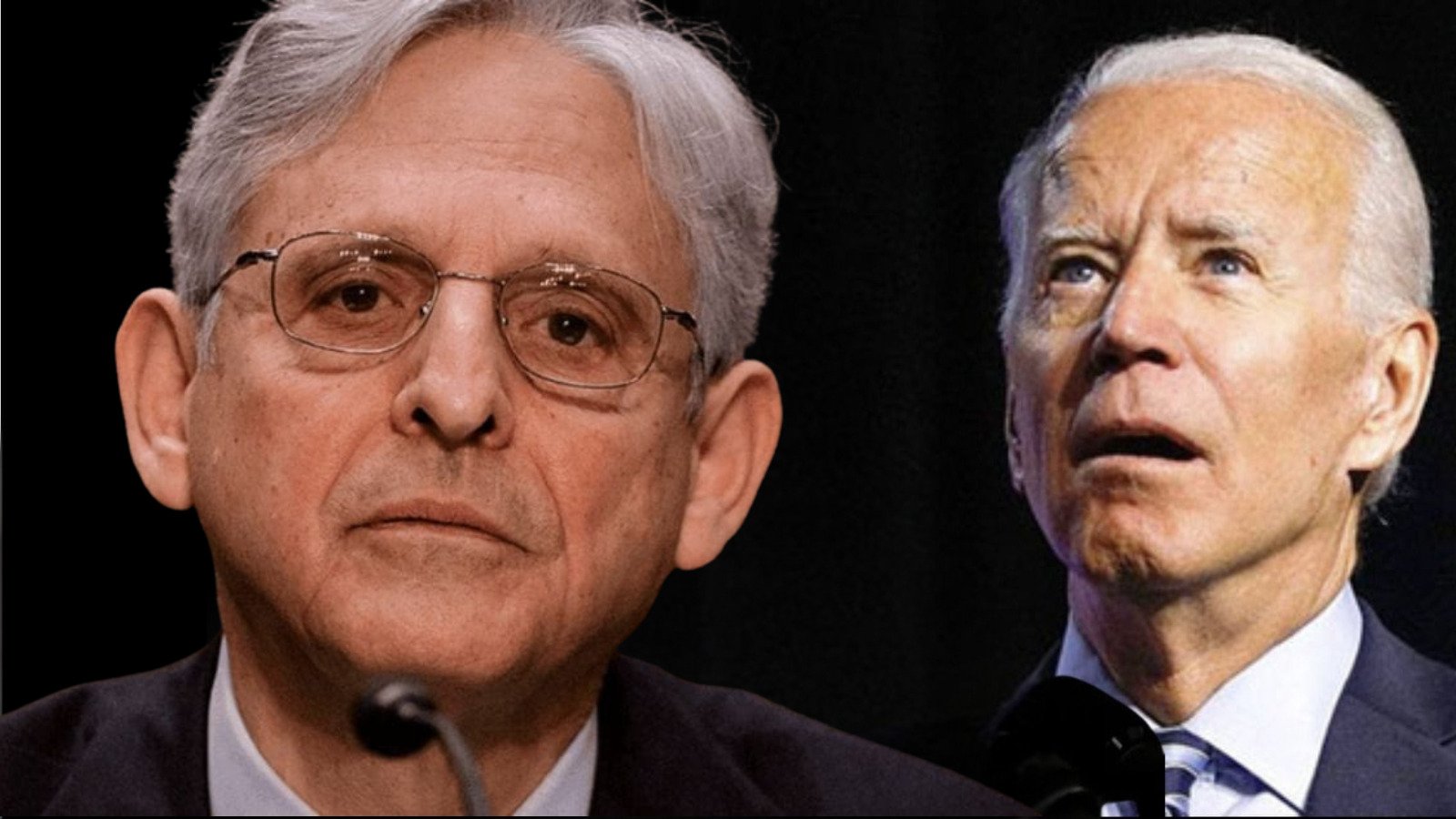
Former President Joe Biden is racing to stop the Trump Justice Department from releasing audio recordings and transcripts of his private conversations with a ghostwriter, material that sat at the heart of Special Counsel Robert Hur’s classified-documents investigation.
A joint status report filed May 8 in federal court reveals that DOJ told a judge it intends to disclose the redacted material to both Congress and the Heritage Foundation, which sued for the records under the Freedom of Information Act. Biden, through his lawyers, told the department he plans to intervene to block those disclosures.
The deadline for Biden to file is May 12. If he does not act by then, DOJ says it will release the material shortly afterward. If he does intervene, the department will hold off until June 15.
Biden to fight DOJ’s release of ghostwriter tapes https://t.co/HuIrpSvpZg
— Axios (@axios) May 10, 2026
The recordings involve roughly 70 hours of conversations between Biden and ghostwriter Mark Zwonitzer, who collaborated with him on his memoir. Hur’s investigation examined those recordings because the special counsel concluded Biden had read classified notebook passages aloud during the sessions. Hur ultimately declined to charge Biden, citing in part memory issues that would have made proving willfulness difficult at trial.
Biden has denied sharing classified information during the conversations. His spokesman, TJ Ducklo, has called the push for disclosure political rather than a genuine transparency effort, telling reporters that Biden cooperated fully with Hur and provided the recordings on the condition they would not become public.
That framing will face scrutiny in court. The Heritage Foundation and its Oversight Project director Mike Howell filed the original FOIA lawsuit in case 1:24-cv-00645-DLF, and the plaintiffs have made clear they will fight Biden’s late entry into the case.
CourtListener has the joint status report, which lays out the current posture of the dispute in detail:
The Department of Justice told the court it intends to disclose redacted written transcripts and audio recordings to Congress in response to a House Judiciary Committee request and to the plaintiffs in the FOIA litigation. Biden, through counsel, advised DOJ that he intends to seek to intervene in the case to prevent those disclosures. The department said it does not oppose intervention. If Biden does not seek intervention by May 12, DOJ will disclose the material shortly thereafter. If he does file, the department set a June 15 date for disclosure. Heritage and Howell, in their plaintiffs’ section of the filing, said the development came as a surprise because release of the material had been expected. The plaintiffs accused Biden of attempting to block even transcript portions that match phrases already quoted in the Hur report. They said they expect to object to intervention as untimely, arguing that Biden waited well over a year to seek to intervene, and warned that emergency litigation could follow.
The timing is the point. Biden had more than a year to assert any privilege or privacy interest in these recordings. He did not. Now, on the eve of disclosure, he wants a federal judge to step in.
Lawyers: Biden to fight DOJ plan to release audio of his talks with ghostwriter https://t.co/Ko0JiIrzbb
— POLITICO (@politico) May 10, 2026
Axios reported on the standoff as the May 12 deadline approached:
Former President Biden is preparing to ask a court to stop the Trump administration from releasing his conversations with ghostwriter Mark Zwonitzer. The recordings were central to Special Counsel Hur’s conclusions because Hur found that Biden read classified notebook passages aloud during the sessions. Hur ultimately declined to bring charges, citing memory issues that would have complicated proving willfulness at trial. Biden has denied sharing classified information. The Justice Department said in a Friday court filing that it intended to disclose redacted transcripts and audio to Congress and to the Heritage Foundation, which sued under FOIA.
Biden’s legal team intends to intervene to block the release. Heritage plans to oppose him and argues he waited well over a year to act. Biden spokesman TJ Ducklo said Biden cooperated fully with Hur and provided the recordings on the condition they would not become public. Ducklo characterized the current push as politics rather than transparency. Axios connected the dispute to the broader Hur investigation and the Heritage FOIA case, while noting the practical deadline: DOJ will hold off until June 15 if Biden files by Tuesday.
ADVERTISEMENT
The “condition they would not become public” claim is interesting. A cooperating witness in a federal investigation does not get to set terms on what Congress or the public eventually sees, especially when FOIA law and congressional oversight authority apply. Whatever informal assurances Biden’s team may have received from a prior DOJ, they do not override statute.
There is also the matter of deleted recordings. Conservative reporting has noted that Zwonitzer deleted audio files after learning of Hur’s appointment, though forensic technicians later recovered the deleted material. Technicians later recovered the deleted material, a fact that gives the disclosure fight obvious public-interest stakes.
Biden to Fight Trump DOJ Over Release of 70 Hours of Audiotapes of His Conversations with Ghostwriter
READ: https://t.co/nH5CIS9sTy pic.twitter.com/z3IAjND8Vg
— The Gateway Pundit (@gatewaypundit) May 10, 2026
The Trump DOJ, to its credit, is not slow-walking this. The department told the court it is ready to hand over redacted material now, and it set a concrete fallback date of June 15 if litigation intervenes. Heritage and Howell have signaled they will fight any delay aggressively, calling Biden’s last-minute move exactly what it looks like.
If Biden’s team fails to file by May 12, Americans could hear his own words in short order. If he does intervene, this becomes a summer courtroom battle over whether a former president can retroactively seal evidence from a federal investigation that found he mishandled classified documents but let him walk. Either way, the public deserves to hear what is on those tapes.
What’s your notion?

Join the conversation!
Please share your thoughts about this article below. We value your opinions, and would love to see you add to the discussion!