

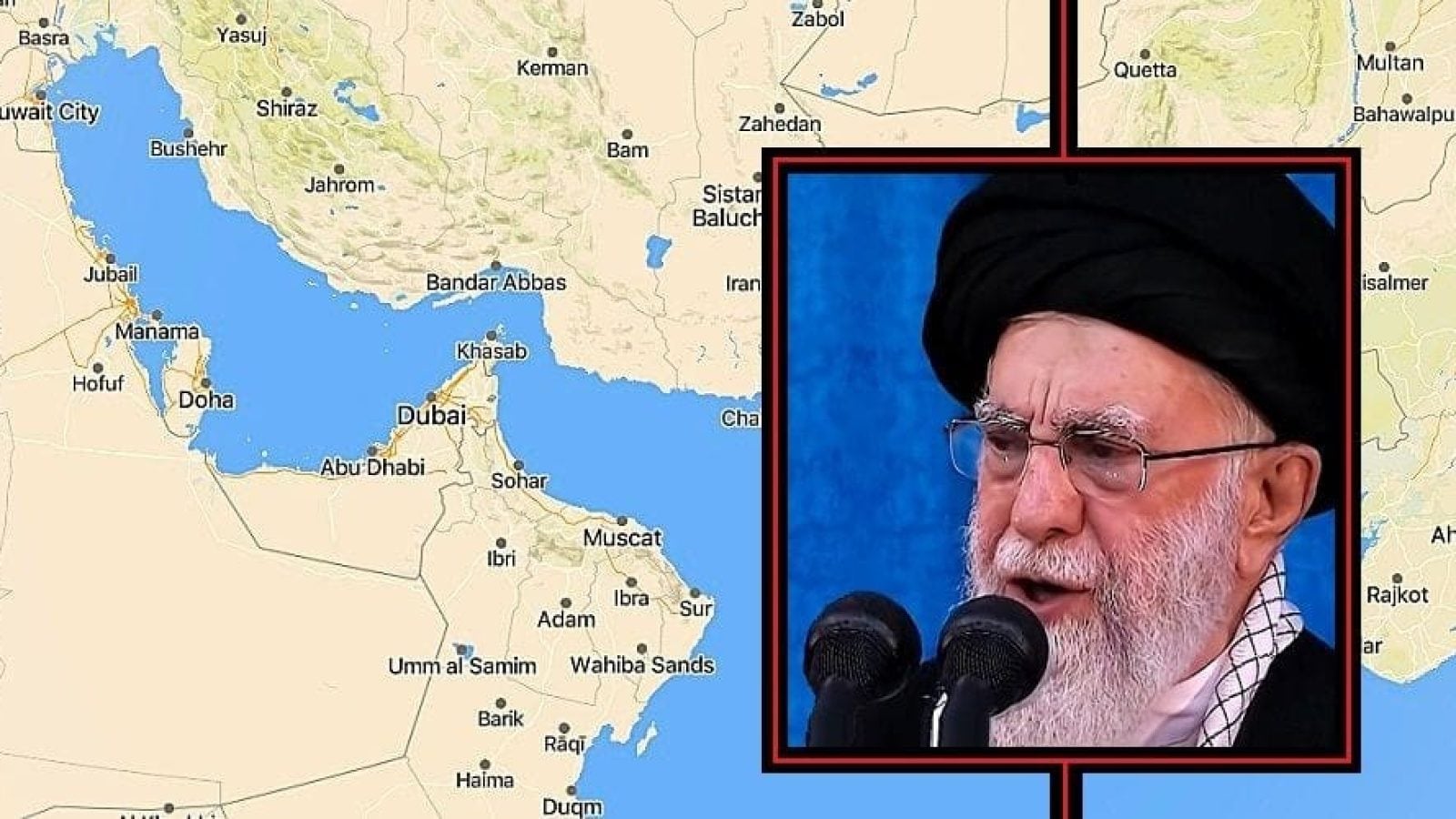
President Trump says Iran is “in a State of Collapse” and wants the Strait of Hormuz opened “as soon as possible” while talks continue.
That is the pressure point right now: Tehran wants relief, global energy markets want the waterway open, and the U.S. blockade is still being used as leverage.
Fox News highlighted Trump’s latest comments Tuesday afternoon:
NEW: President Trump says Iran tells him it is in a “State of Collapse” and wants the U.S. to open the Strait of Hormuz as soon as possible. pic.twitter.com/C95ebyxa70
— Fox News (@FoxNews) April 28, 2026
Axios put Trump’s Tuesday claim in the larger negotiating picture:
Trump said Iran had told the United States it wanted the Strait of Hormuz opened quickly while it worked through a leadership crisis. The key caveat is that Tehran has not publicly confirmed Trump’s version of the message, so the claim still sits inside a live diplomatic standoff rather than a settled public agreement.
The timing matters because the claim followed Iran’s earlier proposal to reopen the strait if Washington lifted its blockade and ended the war. That proposal would leave the nuclear question for later, which is exactly where the White House has been unwilling to give ground. A U.S. official and two other people briefed on Monday’s national security meeting said no decision had been made, and one source indicated Trump was not leaning toward accepting a framework that delays the nuclear issue.
White House press secretary Karoline Leavitt also framed the administration’s Iran position as a red-line issue, saying the president’s terms have been made clear publicly and directly to Tehran.
AP had more on the proposal and why Hormuz remains the pressure point:
Iran’s offer would reopen the Strait of Hormuz only if the United States lifted its blockade and the war ended, according to two regional officials cited in the article. The proposal was passed through Pakistan and would postpone the larger fight over Iran’s nuclear program, which makes it a difficult fit for Trump’s stated goal of preventing Tehran from ever reaching a nuclear weapon.
The strait is not a symbolic issue. It is the narrow passage that handles roughly one-fifth of traded oil and natural gas in peacetime, and the current standoff has already pushed energy costs higher. The U.S. blockade is aimed at cutting off Iranian oil revenue, while Iran’s grip on the waterway gives Tehran one of its strongest remaining cards.
The pressure is spreading well beyond the two governments. Other nations have been demanding the waterway reopen because the closure is feeding global economic strain, including higher costs for fuel, fertilizer, food, and other basic goods. That is why Hormuz keeps showing up as both a diplomatic demand and an economic emergency.
U.S. Central Command also posted fresh evidence of the blockade being enforced at sea:
Earlier today in the Arabian Sea, U.S. Marines from the 31st Marine Expeditionary Unit boarded M/V Blue Star III, a commercial ship suspected of attempting to transit to Iran in violation of the U.S. blockade of Iranian ports. U.S. forces released the vessel after conducting a… pic.twitter.com/UFx329OsHj
— U.S. Central Command (@CENTCOM) April 28, 2026
Iran’s mission to the United Nations pushed back from the other direction, arguing Tehran has legal authority over the waterway because of its geography:
Iran is not a party to the 1982 UN Convention on the Law of the Sea. Therefore, it is not bound by its treaty-based provisions.
— I.R.IRAN Mission to UN, NY (@Iran_UN) April 28, 2026
As the main coastal State within whose territorial sea the Strait of Hormuz lies, Iran has the legitimate and legal right to take necessary and…
Bottom line: Hormuz is not just a talking point. It is leverage over one of the world’s most important energy chokepoints. Trump is saying Iran wants it opened while the blockade remains the squeeze, and that is why this fight is still sitting right at the center of the negotiations.

Join the conversation!
Please share your thoughts about this article below. We value your opinions, and would love to see you add to the discussion!