

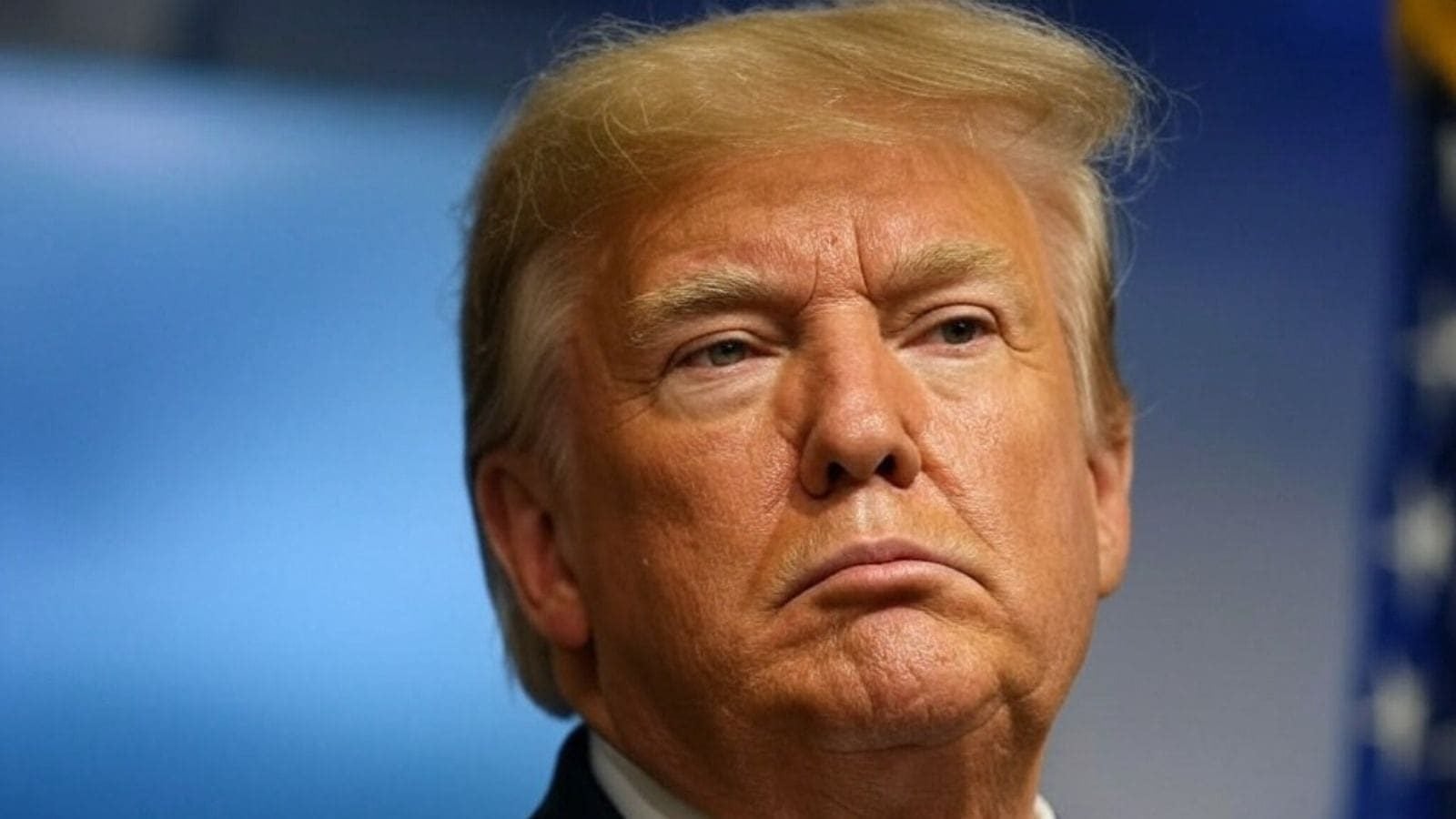
With a complex mission already underway in Iran and emerging threats elsewhere around the globe, President Donald Trump recently made it clear that he is closely watching developments in a nation closer to US shores.
When asked about reports that the Trump administration is preparing for possible military action in Cuba, the president avoided specifics but conspicuously did not deny the claims outright.
Here’s how the Daily Caller reported the exchange between Trump and its reporter Reagan Reese:
“There’ve been reports that the Pentagon’s preparing for military action in Cuba. Are those reports true? Is Cuba next?” Reese asked Trump.
ADVERTISEMENT“Well, it depends on what your definition of ‘military action’ is,” Trump responded after pausing for a moment.
“Would it look like Venezuela or Iran?” Reese then asked.
“It depends on what your definition of ‘military action’ is, as Bill Clinton would say,” Trump responded again. “You understand that? No, a lot of people don’t understand that.”
Potential action in Cuba has been a topic of discussion for Trump on multiple recent occasions:
Trump announces Cuba is the US’ next target.
Follow: @AFpost
— AF Post (@AFpost) March 5, 2026
NOW – Trump says very soon the "great strength" of the American military will create "a new dawn for Cuba." pic.twitter.com/EW3kjmaoqC
— Disclose.tv (@disclosetv) April 17, 2026
Trump: "We may stop by Cuba after we're finished with this" pic.twitter.com/Jt2xR5MmPp
— unusual_whales (@unusual_whales) April 19, 2026
USA Today recently published an article speculating about the potential options at Trump’s disposal:
Given Trump’s transactional tendencies, making a deal with Cuba seemed to make the most sense, said John Kavulich, president of the U.S.-Cuba Trade and Economic Council, a trade group that has been dealing with Cuba since 1994. In February, Trump seemed to take an early step toward that goal by allowing U.S. companies to sell diesel products directly to Cuban businesses.
“I don’t think anyone should be surprised if we eventually see Steve Witkoff and Jared Kushner in Havana negotiating with the Cuban government,” Kavulich said, referring to the Trump advisors who often negotiate on behalf of the president.
ADVERTISEMENTBut negotiating with power brokers in Havana, especially those descendent from Fidel and Raul Castro, the brothers who launched the 1959 revolution, may be a red line for Cuban Americans.
The longstanding U.S. economic embargo on Cuba says neither Fidel, who died a decade ago, or Raul, who’s 94, could be leading the country if sanctions are lifted. It does not exclude their relatives.
Cuban-born Congressman Carlos Giménez, a Florida Republican whose district includes the Miami suburbs, told USA TODAY during an April 16 interview that it would be unacceptable for anyone related to the Castros to lead the country.
Instead, he said U.S. officials need to insist on constitutional and other changes that fulfill the requirements of the U.S. embargo on Cuba. Those should precede any economic agreement, he said.
“All they want is time, time to survive,” Giménez said of the Cuban government. “And they’re very good at it.”
As the report concluded, the two other options available include regime change and military action.
Here’s some additional context regarding US-Cuban relations:

Join the conversation!
Please share your thoughts about this article below. We value your opinions, and would love to see you add to the discussion!