

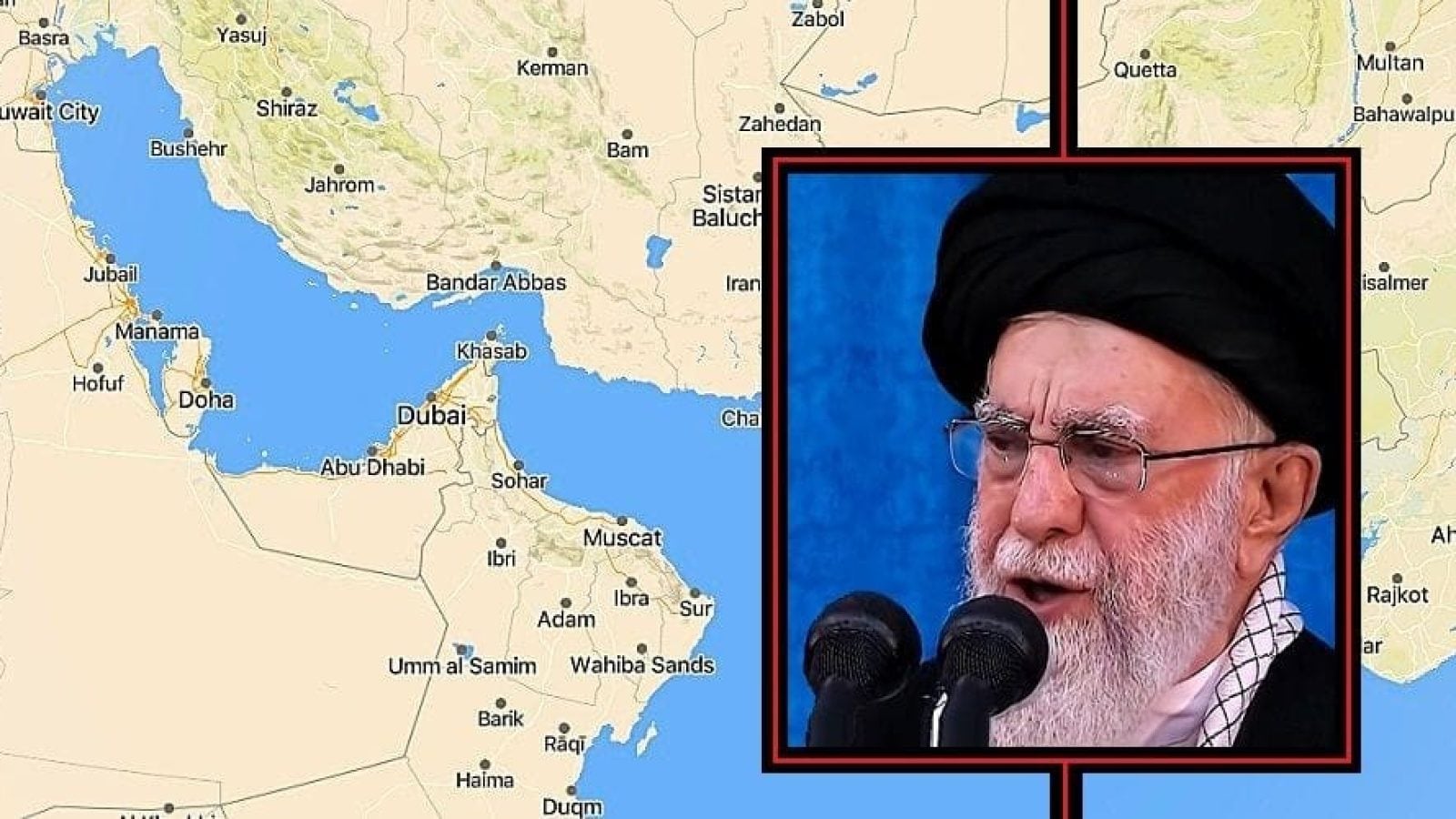
The Strait of Hormuz is back in business — and Iran itself is the one making the announcement.
On Friday morning, Iran’s Foreign Minister Seyed Abbas Araghchi declared that commercial shipping through the world’s most important oil chokepoint is officially reopened. And then President Trump got on Truth Social to take a well-earned victory lap.
This is the same Strait of Hormuz that Iran had effectively closed for weeks during the war — dropping daily transits from about 150 vessels to just 4 or 5 — and the same strait Tehran has threatened to blockade for decades every time the West squeezed its economy. Today, that leverage evaporated in a single tweet.
Here’s Araghchi making the announcement himself:
In line with the ceasefire in Lebanon, the passage for all commercial vessels through Strait of Hormuz is declared completely open for the remaining period of ceasefire, on the coordinated route as already announced by Ports and Maritime Organisation of the Islamic Rep. of Iran.
— Seyed Abbas Araghchi (@araghchi) April 17, 2026
No threats. No conditions. No demands for sanctions relief first. Just a plain-language confirmation that the ships can move.
According to a live report from Al Jazeera, Araghchi’s statement was issued in direct connection with the ceasefire that took effect between Lebanon and Israel earlier the same day:
Iran’s Foreign Minister Abbas Araghchi announced that “the passage for all commercial vessels through Strait of Hormuz is declared completely open for the remaining period of ceasefire.”
The announcement came as a 10-day ceasefire between Lebanon and Israel took effect on April 17, 2026.
It’s worth pausing on what just happened. The Iranian regime — the regime that spent years arming Hezbollah, funneling cash to Hamas, and threatening every U.S. Navy vessel that came near the Persian Gulf — just voluntarily stood down on its most dangerous piece of geographic leverage. That doesn’t happen because diplomats charmed them. That happens because someone put a real cost on the other side of the ledger.
President Trump clearly wasn’t going to let the moment pass without marking it. Within minutes of Araghchi’s post, Trump hit Truth Social and the White House account pushed it out to the rest of the world:
“IRAN HAS JUST ANNOUNCED THAT THE STRAIT OF IRAN IS FULLY OPEN AND READY FOR FULL PASSAGE. THANK YOU!” – President Donald J. Trump 🇺🇸
— The White House (@WhiteHouse) April 17, 2026
Short. All caps. A thank-you. Classic Trump — but read between the lines and you can hear the message underneath: we forced this, and both sides know it.
For context on how we got here, Fox News has been tracking the standoff in real time and captured exactly how hard the administration had been leaning on Tehran before today’s announcement:
Defense Secretary Pete Hegseth told reporters earlier this week that the United States was “locked and loaded on your critical dual use infrastructure” — a warning directed squarely at the Iranian regime if commercial shipping through the Strait of Hormuz remained blocked.
“Locked and loaded.” That’s the kind of plain-English posture Americans haven’t heard from the Pentagon in a long time — and it worked. The shipping lanes are reopening because Iran read the room and decided a reopened strait was cheaper than a smoking oil terminal.
Markets are going to feel this too. When the Strait of Hormuz closes, crude prices spike and global shipping insurance rates go haywire. When it reopens — especially reopens with a ceasefire holding in Lebanon — the opposite happens. Expect relief at the pump in the coming days if the ceasefire holds.
And make no mistake: this is the result of a foreign policy that puts pressure on bad actors instead of lecturing them. For four years, Americans watched an administration apologize, appease, and unfreeze billions for Tehran. Today, Iran’s own Foreign Minister opened the most strategic waterway on the planet — and the White House got a thank-you note for it.
Peace through strength isn’t a slogan. It’s a results-based strategy. And right now, the results are loading in every shipping lane from the Gulf of Oman to the Port of Houston.

Join the conversation!
Please share your thoughts about this article below. We value your opinions, and would love to see you add to the discussion!