

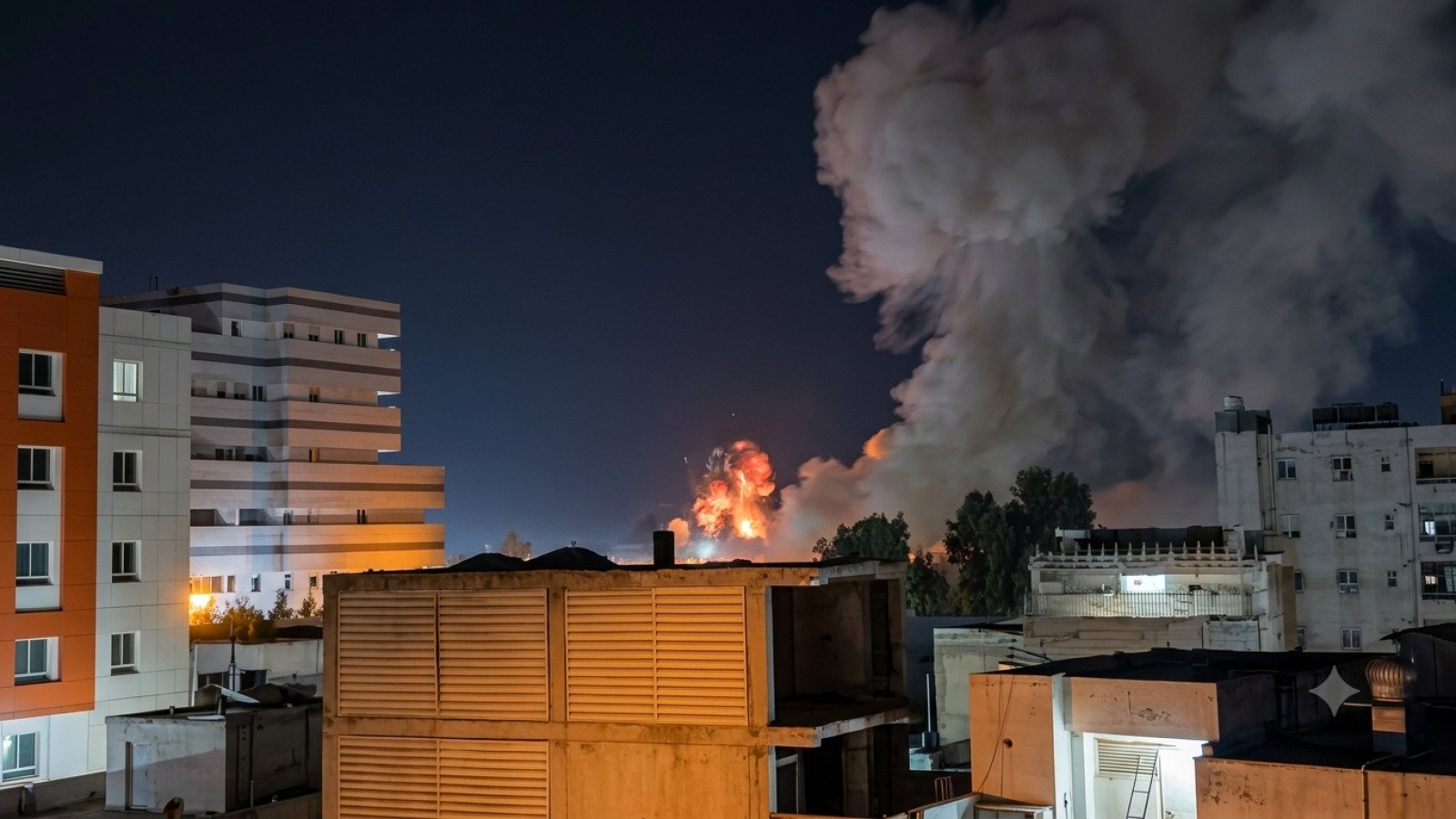
The ceasefire between Iran and the United States doesn’t look too good.
On Tuesday afternoon, U.S. Central Command announced it launched “powerful strikes” against Iran.
The move by U.S. CENTCOM comes shortly after it was reported Iran attacked three vessels that were traveling through the Strait of Hormuz.
Here was the announcement:
U.S. Central Command forces have begun launching a series of powerful strikes against Iran to impose heavy costs for targeting and attacking commercial shipping crewed by innocent civilians in an international waterway. The U.S. strikes are in response to Iranian attacks on three…
— U.S. Central Command (@CENTCOM) July 7, 2026
Full Text:
U.S. Central Command forces have begun launching a series of powerful strikes against Iran to impose heavy costs for targeting and attacking commercial shipping crewed by innocent civilians in an international waterway. The U.S. strikes are in response to Iranian attacks on three commercial vessels that were transiting the Strait of Hormuz. Iran’s demonstrated aggression was unwarranted, dangerous, and a clear violation of the ceasefire.
Shortly after U.S. CENTCOM made the announcement, videos began circulating on X showing massive explosions from U.S. airstrikes in Iran’s Hormozgan Province.
Here is the aftermath:
Another look:
BREAKING: Major US airstrikes carried out on Shahid Haqani Port in Bandar Abbas, southern Iran. pic.twitter.com/U4bXYqGJtI
— The Hormuz Letter (@HormuzLetter) July 7, 2026
President Trump is not bluffing:
Biggest attack by the US Airforce since ceasefire
After Iranian attack on commercial vessels in Strait of Hormuz, U.S. fighter jets are bombing IRGC targets including missile launchers, Air Defence, Radar & drone storage facilities across Southern Iranian cities including Sirik pic.twitter.com/FnydJgjOgt
— Baba Banaras™ (@RealBababanaras) July 7, 2026
CNBC covered more on the current conflict between the U.S and Iran:
The U.S. began a “series of powerful strikes” against Iran on Tuesday in retaliation for Iranian attacks on three commercial vessels transiting the Strait of Hormuz, U.S. Central Command said.
The new U.S. and Iranian attacks threaten to reignite conflict in the region, and could spark fears that the Strait of Hormuz will close again. Oil prices rose dramatically during the U.S.-Iran conflict, stoking inflation around the globe.
The strikes come after the U.S. and Iran traded blows last month after similar Iranian attacks on commercial vessels in the strait, which is one of the world’s most critical chokepoints that Iran held shut for months this year. Both sides agreed to stand down in the days following last month’s exchange amid a tenuous ceasefire as negotiations to end the war are underway.
Washington and Tehran agreed on a memorandum of understanding to end the conflict in June, which included an end to the fighting and the reopening of the Strait of Hormuz. The latest U.S. retaliatory strikes will again test that agreement, which has held through previous skirmishes.
Tensions have been rising since Iran attacked vessels moving through the strait earlier this week, with the U.S. revoking a sanctions waiver on Iranian oil earlier Tuesday. Oil futures have risen sharply in response to the pressure.
The U.S. war with Iran began on Feb. 28, when the U.S. and Israel began strikes on the country that killed its leader, Ayatollah Ali Khamenei.
The attack was ordered by President Trump while he was in Turkey for the NATO Summit.
The Pentagon has previously attempted to avoid launching attacks on Iran while Trump has been on foreign soil due to security concerns.
Axios reported more on the moments leading up to Trump’s decision:
A U.S. official told Axios that Trump approved the strike plan and ordered it while in Turkey for this week’s NATO summit.
Trump held a meeting in Ankara with Defense Secretary Pete Hegseth, Secretary of State Marco Rubio and Treasury Secretary Scott Bessent, who flew with him on Air Force One. They were joined by Joint Chiefs of Staff Chairman Gen. Dan Caine and other officials who were already on the ground for the NATO summit.
ADVERTISEMENT“This response is a direct result of the acts of international terrorism that have been perpetrated by Iran on innocent ships transiting the Straight of Hormuz. The Iranians know the consequences to their ridiculous actions, yet they still chose to carry out these attacks,” the official said.

President Trump is currently at a safe location.
#BREAKING: Trump is safe at his hotel in Turkey amid new retaliatory strikes on Iran by the U.S.
— Insider Wire (@InsiderWire) July 7, 2026

Join the conversation!
Please share your thoughts about this article below. We value your opinions, and would love to see you add to the discussion!