

Washington, D.C.’s should no longer be called the swamp but rather the sewer.
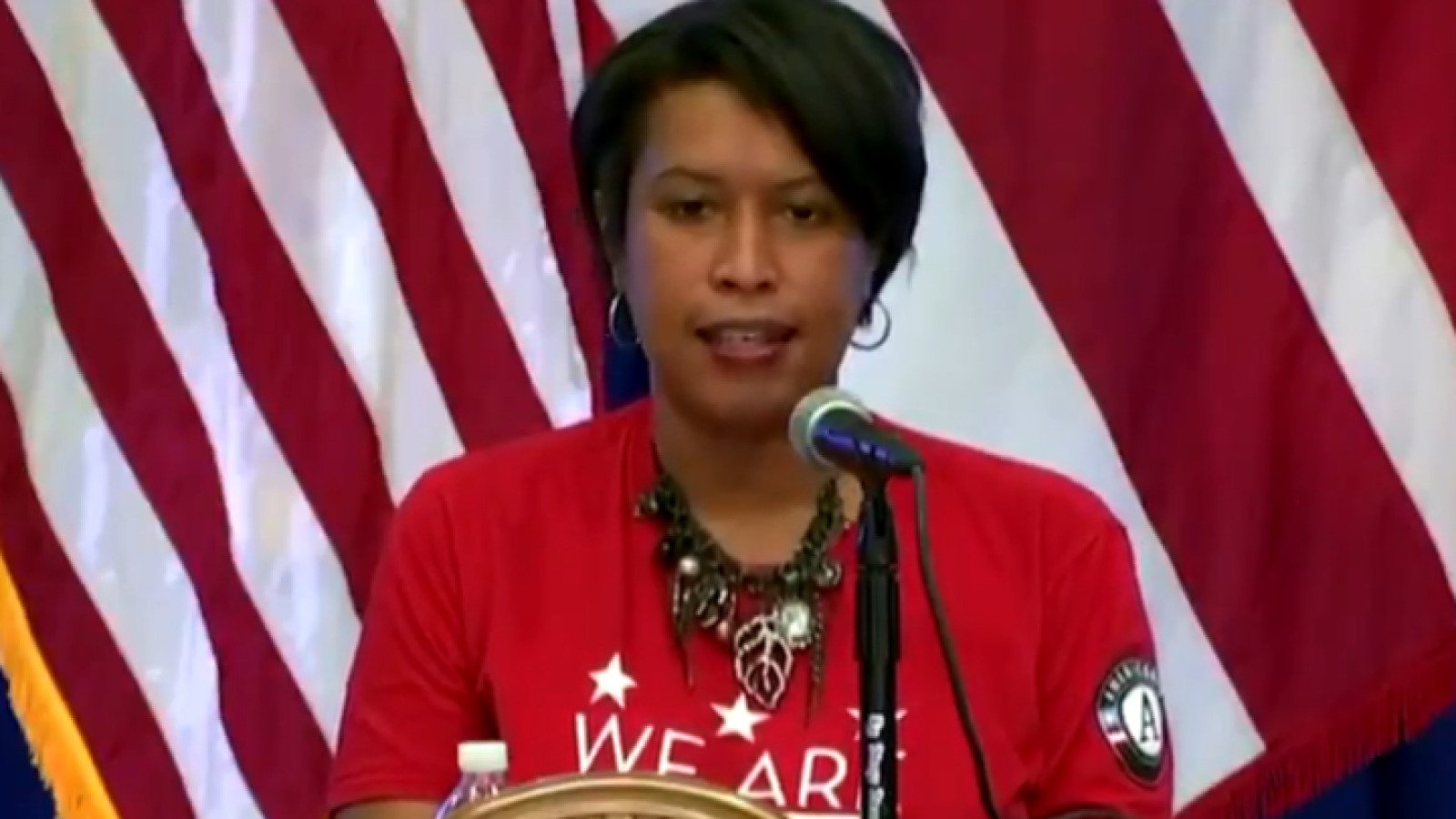
Mayor of Washington D.C., Muriel Bowser, has declared a state of emergency due to the ongoing sewage spill in the Potomac River.
The spill has been ongoing for over a month and has already resulted in over 200 million gallons of sewage in the river.
WUSA 9 reported more on the ongoing crisis:
DC Mayor Muriel Bowser on Wednesday announced that she was declaring a State of Emergency in order to pursue federal funding to help deal with the Potomac sewage spill.
The DMV has been grappling with spill, which has been dubbed an ecological disaster, for weeks.
DC Water insists that water is safe to drink, but officials caution people to avoid direct contact with Potomac River water.
The District arrived at the decision to declare a state of emergency after meeting with White House staff and the Environmental Protection Agency.
DC Water had already been in touch with the EPA, which had offered federal funds.
DC Water officials had been reluctant to discuss specifics of uncertainty pertaining to clean-up costs and emergency repairs.
Here’s what the spill looks like:
This is @dcwater’s “diversion” of the Potomac Interceptor pipe leak just north of DC via nearly 200+ year old C&O Canal
Billions of gallons of raw sewage diverted & “safely contained”
What doesn’t leak into Potomac is literally an open river of shitpic.twitter.com/nQaT163Kvm
— NOVA Campaigns (@NoVA_Campaigns) February 14, 2026
Another angle:
🚨 NOW: DC and Maryland Democrats are STILL pumping raw sewage DIRECTLY into waterways leading to the Potomac River, with NO end in sight
Where the hell are the environmentalists??!
Oh that’s right — they don’t care, b/c this isn’t politically expedient pic.twitter.com/761u6BYRMS
— Nick Sortor (@nicksortor) February 16, 2026
NPR reported on what exactly caused the sewage spill:
In January, part of a decades-old sewer line in Maryland collapsed by the Potomac River. Over the following days, the broken pipe dumped more than 200 million gallons of raw sewage into the Potomac near Washington, D.C.
Since then, the utility that manages the line, DC Water, has been setting up a system of pumps and a steel bulkhead to divert wastewater around the broken section of pipe so crews can begin repairs. The area’s drinking water hasn’t been contaminated, but scientists and environmental advocates say the damage could still be severe in a watershed that stretches to the Chesapeake Bay.
“There’s a ton of nasty stuff in raw sewage. It’s not just waste and bacteria, but you have all sorts of pharmaceuticals that end up in the pipe system. You have different chemicals that people pour down the sink or into drains,” says Gary Belan, senior director of the clean water program at American Rivers, an advocacy group. “So a lot of that stuff can sink to the bottom of the river, have impacts on fish reproduction, bird reproduction, killing a lot of the insects, contaminating the soil.”
The Potomac accident is among the largest sewage spills in U.S. history, and it highlights a chronic problem facing communities around the United States, says Gussie Maguire, Maryland staff scientist at the Chesapeake Bay Foundation.
Here was President Trump’s response to the sewage spill:
Trump blames Gov. Wes Moore for the Potomac poop situation pic.twitter.com/cDXA2MqExV
— Breitbart News (@BreitbartNews) February 16, 2026
What’s your assessment?

Join the conversation!
Please share your thoughts about this article below. We value your opinions, and would love to see you add to the discussion!